 Save to Pinterest
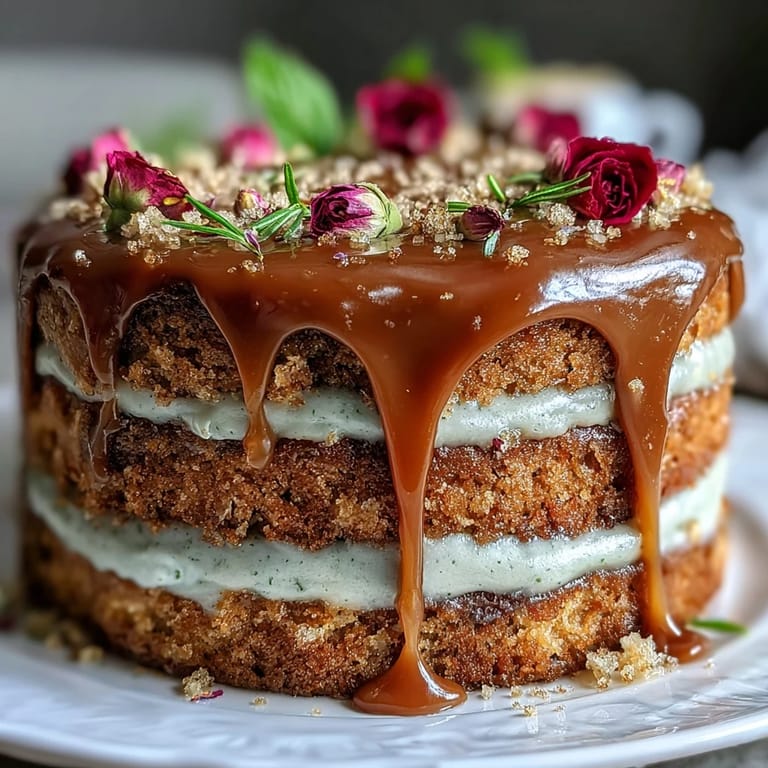
 Some recipes linger in the air long before their first bite: the aroma of bubbling butterscotch gently blending with the earthy sweetness of herbs, and a swirl of floral perfume that always leaves me pausing, just to breathe it all in. This Taurus Cake came together on a rainy afternoon when the forecast called for baking therapy—a spontaneous experiment morphing humble pantry staples into something quietly magical. I only realized it was special when the finished cake cooled, and a palette of natural earth tones emerged beneath my spatula with an ease I hadn't anticipated. The final touch of edible petals on top coaxed a smile from even my skeptical neighbor, who declared it almost too pretty to eat. This cake feels like a small, grounded celebration—floral, fragrant, and somehow both rustic and regal.
Baking this cake for my friend Sienna’s birthday turned into more than a kitchen project—it was a playful back-and-forth over which herbs to use, which colors to swipe, and how many times we could sneak a taste of that floral buttercream without getting caught. By the time the cake filled the counter with its gentle, vanilla-plush scent, even the typically chaotic afternoon felt calm and focused. The laughter that floated around our sticky mixing bowls made slicing into the finished cake all the sweeter.
Ingredients
- All-purpose flour: The right structure for sturdy layers—sift it for a fluffy crumb and never pack your cups tightly.
- Baking powder and baking soda: These two ensure the cake rises with a gentle dome, and a fresh can always delivers better lift.
- Unsalted butter: Gives richness throughout, and softening it completely before starting is a trick I swear by for smooth creaming.
- Brown sugar: Adds caramel depth—light or dark varieties each work, depending on how robust you want the flavor.
- Eggs: Room temp eggs blend better and help the cake hold together; I always set them on the counter before starting.
- Vanilla extract: A backbone for the cake and buttercream, and I once ruined a whole batch by skipping it (don’t forget).
- Sour cream or plain yogurt: The secret to an extra moist crumb, either works but full-fat options always taste best.
- Milk: Loosens the batter for pillowy layers—whole milk offers richness but 2% works in a pinch.
- Butterscotch sauce: Homemade gives the deepest flavor, and cooling it fully before mixing in is non-negotiable for texture.
- Powdered sugar: For buttercream, sifting saves you from lumps—trust me, I’ve been there with gritty frosting.
- Rose water: Just a splash transforms the frosting, but a heavy hand will overpower; add gradually and taste as you go.
- Dried lavender (optional): A whisper of floral, but grind it fine to prevent chewy bits in each bite.
- Natural colorants (matcha, beet powder, cocoa, turmeric, spirulina): These earthy hues bring a nature-inspired look and subtle flavor if used sparingly.
- Edible flowers and fresh herbs: For decoration, always pick truly edible choices, and rinse and pat them dry for safety.
- Gold leaf or dust (optional): For when you want the cake to shimmer under candlelight—handling it with tweezers is less fussy than it looks.
Tired of Takeout? 🥡
Get 10 meals you can make faster than delivery arrives. Seriously.
One email. No spam. Unsubscribe anytime.
Instructions
- Prep the cake pans:
- Begin by preheating your oven to 350°F and lining three 8-inch pans with parchment, feeling the warmth slowly filling the kitchen.
- Make the butterscotch sauce:
- In a small saucepan, melt butter until frothy and fragrant, then add brown sugar; listen for the soft sizzle and breathe in deep caramel notes. Stir in cream, bring to a gentle simmer, then swirl in vanilla and salt—cool it fully before using so it doesn’t melt your batter.
- Mix the dry and wet ingredients:
- Whisk flour, baking powder, baking soda, and salt together. In a big bowl, cream butter and brown sugar until fluffy, scraping down the sides, and then blend in eggs one by one for a glossy finish.
- Finish the cake batter:
- Add in vanilla, sour cream, and cooled butterscotch sauce, mixing gently. Gradually alternate adding the flour mixture and milk, stirring just until combined—over-mixing ruins the tenderness.
- Bake the layers:
- Divide batter evenly among your pans; tap them gently on the counter to release bubbles, and bake for 28–35 minutes until golden and a toothpick comes out clean. Let them rest in their pans 10 minutes, then tip out onto racks with a gentle hand.
- Make the buttercream:
- Whip the butter until extra pale and fluffy. Beat in powdered sugar a little at a time, splash in milk for smoothness, and then stir in rose water and ground lavender if you’re using it.
- Tint and swirl the frosting:
- Divide the buttercream into bowls and dust with natural colorants—have fun blending shades and tasting for subtle flavor, but go slow: a little goes far.
- Assemble the cake:
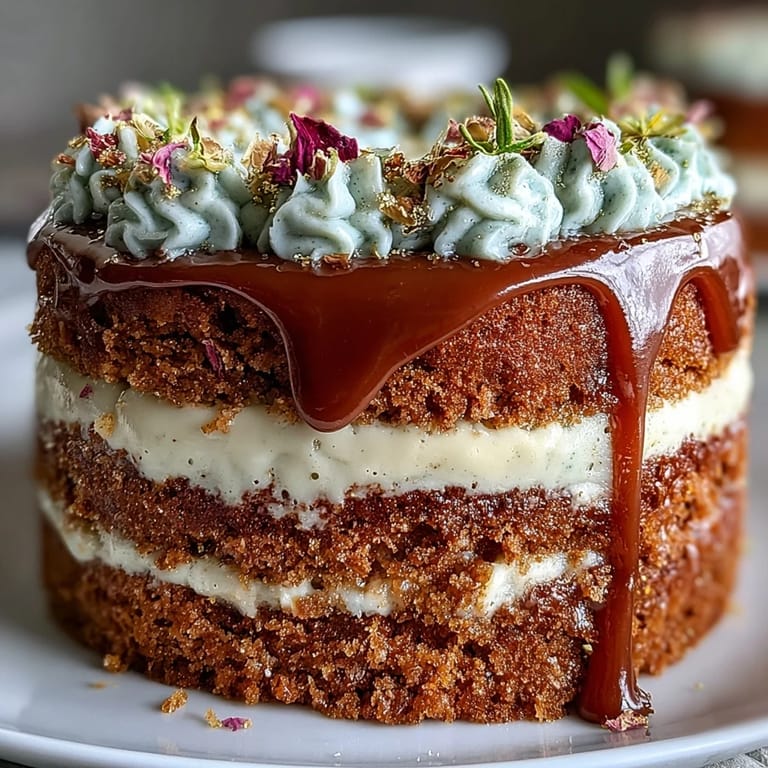
- Layer cakes with generous buttercream, letting some swirl at the edges, then coat the outside and blend your colorful earth tones for that signature look. Chill for 20 minutes to set, then feel free to touch up with a spatula for textured waves.
- Decorate:
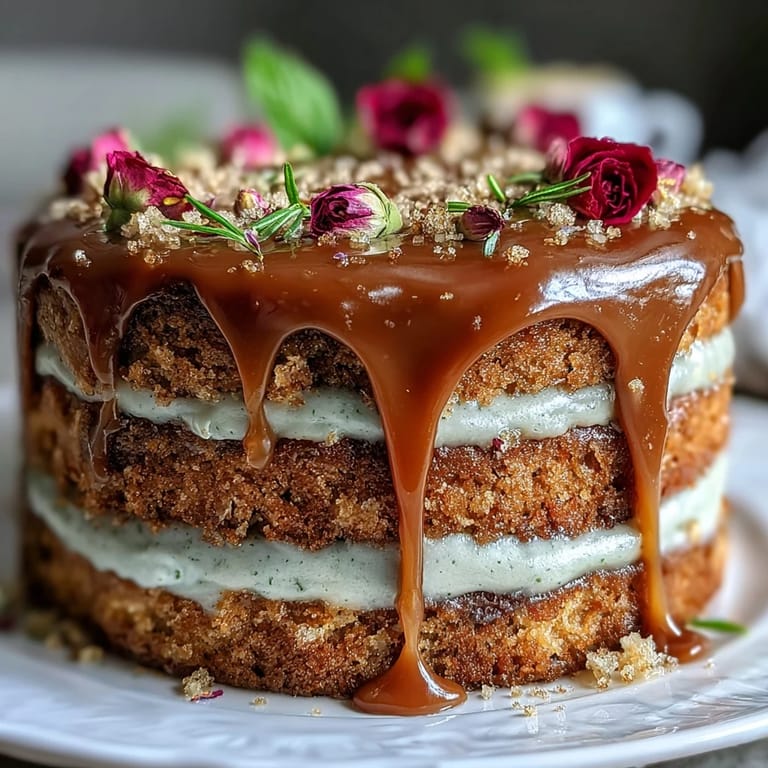
- Gently press on edible flowers, arrange fresh herbs, and finish with a whisper of gold leaf or dust if you’re feeling fancy.
 Save to Pinterest
  Save to Pinterest
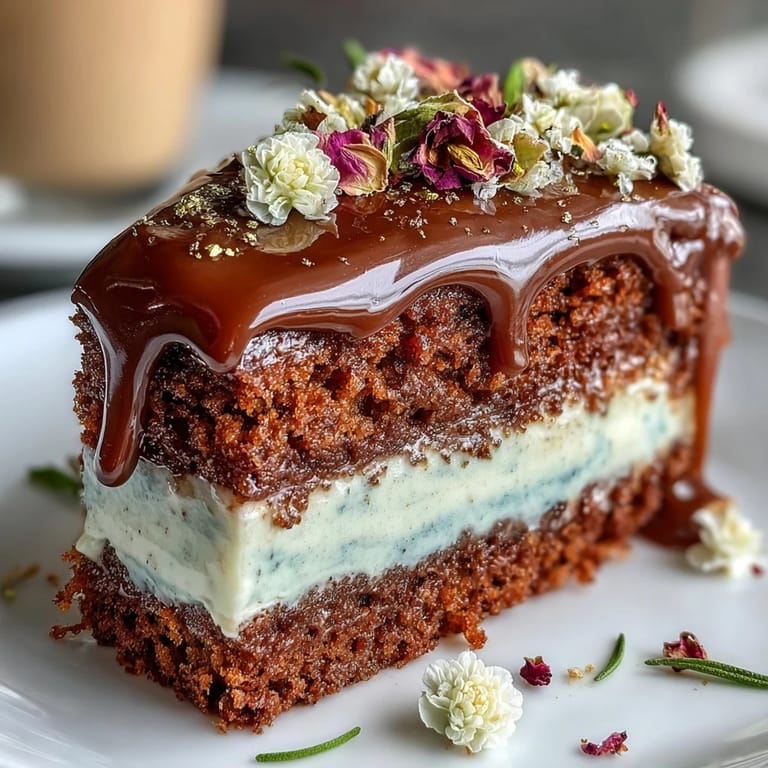
 It was the second slice—crammed with frosting and a stray blossom perched on top—that convinced even my cake-averse uncle to ask for seconds. Sometimes what begins as a simple kitchen dare turns into the one dessert everyone wants to linger over after dinner.
Choosing Natural Colorants That Really Work
After a few kitchen misadventures, I learned matcha dusts soft, grassy greens easily, beet powder blushes pink, and a sprinkle of cocoa offers earthy brown without making the frosting bitter. Turmeric’s sunny yellow brightens things up, while spirulina yields gentle blue-green swirls. The trick is to start tiny: too much and suddenly your pastel cake looks like an art project gone rogue, so add and taste incrementally.
Working With Edible Flowers And Herbs
Buying edible flowers from reputable sources matters—one time I tried foraging backyard pansies and ended up tossing the whole batch after second-guessing their safety. Rinse each petal delicately and dry them well on a paper towel; any dampness can make them wilt on the cake. Herb sprigs, like mint, rosemary, and thyme, add gentle fragrance and visual flair when gently pressed into buttercream right before serving.
Cake Baking Troubleshooting For Earth-Tone Success
Oven temperatures can play tricks, so always test for doneness early—mine runs a little hot, which once gave me extra-browned edges. Rotate your cake pans halfway if your oven tends to heat unevenly, and cool layers thoroughly before frosting to avoid buttercream slips. Homemade butterscotch is runnier when warm, which is why patience here pays off every time.
- If you’re pressed for time, freeze the cooled cakes and frost later—the texture only gets better.
- Store finished cake at room temp unless using fresh flowers, which need refrigeration.
- A thin crumb coat before final frosting locks in stray crumbs for a clean finish.
 Save to Pinterest
  Save to Pinterest
 Sharing a slice crowned with edible flowers always sparks a little awe around the table—and the quiet pride you feel is half the fun. Enjoy each earthy, floral bite, and don’t forget to claim the first forkful for yourself.
Recipe Q&A
- → How do I keep the butterscotch sauce smooth?
Cook butter and brown sugar until the sugar dissolves, then add cream and simmer gently. Stir constantly and remove from heat before it darkens; cool to room temperature to thicken without graininess.
- → Can I swap rose water for another floral note?
Yes—orange blossom water or vanilla extract both provide a floral or warm aroma. Start with small amounts and adjust to taste to avoid overpowering the buttercream.
- → Which natural colorants give the best earth tones?
Matcha yields muted green, beet powder a dusty pink, cocoa a warm brown, and turmeric a soft yellow. Use sparingly and mix into small portions of buttercream until you reach the desired hue.
- → How do I prevent the layers from sliding during assembly?
Level each layer, apply a thin crumb coat, then chill 15–30 minutes to set the buttercream. Use a slightly thicker layer of filling between tiers and refrigerate briefly between adjustments for stability.
- → What’s the best way to store this cake?
Keep covered at room temperature up to 3 days. If you use fresh flowers or want to extend freshness, refrigerate in an airtight container and bring back to room temperature before serving.
- → Any tips for baking even 8-inch layers?
Divide batter evenly by weight, bake in the center of the oven, and rotate pans halfway through if your oven bakes unevenly. Cool in pans 10 minutes before turning out to avoid breakage.