 Save to Pinterest
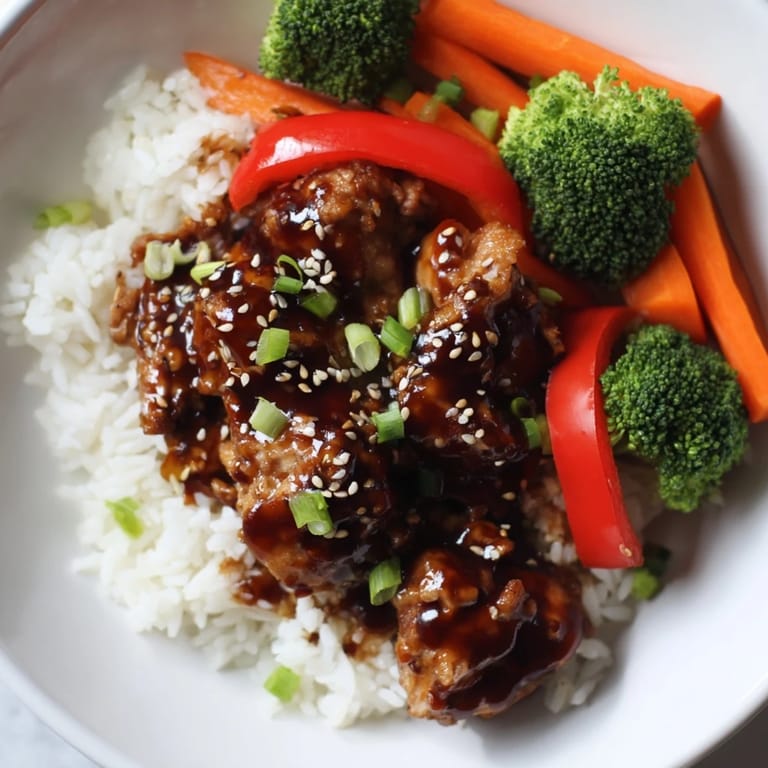
 There's something about the smell of teriyaki sauce reducing in a hot skillet that stops me mid-thought. It happened one weeknight when I was juggling three things at once, and somehow this dish turned everything around. The chicken thighs caramelize into glossy, mahogany-colored pieces, and the whole kitchen fills with this sweet-savory warmth. I started making it regularly after that, mostly because it felt manageable even on the roughest days, and it actually tastes better than takeout.
I made this for a friend who had just moved to town, and she sat at my kitchen counter watching the glaze set on the chicken like it was the most mesmerizing thing she'd seen all week. We ended up talking for two hours over the rice bowls, and she asked for the recipe before she'd even finished eating. That's when I knew this wasn't just dinner—it was the kind of meal that opens conversations.
Ingredients
- Chicken thighs, 600 g: Choose thighs over breast—they forgive the heat and stay silky even if your pan's a little too hot. The meat flavor is deeper, and they cost less too.
- Soy sauce, 80 ml: Low-sodium here is key because the mirin and honey add their own sweetness, and you want the savory notes to sing without getting buried.
- Mirin, 60 ml: This sweet rice wine is non-negotiable; it gives the sauce a gloss that regular sugar simply can't match.
- Honey or maple syrup, 2 tbsp: Honey adds a floral sweetness, but maple syrup brings earthiness—pick whichever mood you're in.
- Rice vinegar, 1 tbsp: A splash of acidity cuts through the richness and keeps everything balanced and bright.
- Cornstarch, 1 tbsp: This thickens the sauce into something that clings to the chicken instead of pooling at the bottom of the pan.
- Garlic and ginger: Fresh ginger especially—pre-grated won't have the same bite and warmth.
- Jasmine or short-grain rice, 250 g: Jasmine rice is softer and slightly floral; short-grain is sturdier for meal prep containers.
- Broccoli, carrots, bell pepper: These are suggestions, not rules—use whatever vegetables you have that stand up to brief cooking without turning to mush.
- Sesame seeds and spring onions: Optional but worth it; they add a textural contrast and a whisper of freshness at the end.
Tired of Takeout? 🥡
Get 10 meals you can make faster than delivery arrives. Seriously.
One email. No spam. Unsubscribe anytime.
Instructions
- Prepare the rice foundation:
- Rinse your rice until the water runs clear—this removes the excess starch so grains stay separate instead of clumping. Combine rice and water, bring to a boil, cover, and let it simmer low for 12 to 15 minutes until the water's absorbed.
- Steam the vegetables while rice cooks:
- Broccoli, carrots, and bell pepper only need 3 to 4 minutes of heat—you want them tender-crisp, not sad and soft. Steam them in a basket if you have one, or blanch them in boiling water.
- Whisk the teriyaki sauce:
- Combine soy sauce, mirin, honey, rice vinegar, cornstarch, water, minced garlic, and grated ginger in a small bowl. The cornstarch dissolves better if you whisk it well and don't let it sit too long before cooking.
- Sear the chicken until golden:
- Heat oil in a large skillet over medium-high heat, season chicken pieces with salt and pepper, and cook for 5 to 6 minutes, turning occasionally. The exterior should be golden and the meat cooked through.
- Build the glaze:
- Pour the teriyaki sauce over the seared chicken and stir constantly for 2 to 3 minutes as it thickens and turns glossy. You'll know it's ready when the sauce clings to each piece instead of running off.
- Assemble into bowls or containers:
- Divide rice among serving bowls or meal-prep containers, top with glazed chicken and steamed vegetables, then finish with sesame seeds and sliced spring onions if you're using them.
 Save to Pinterest
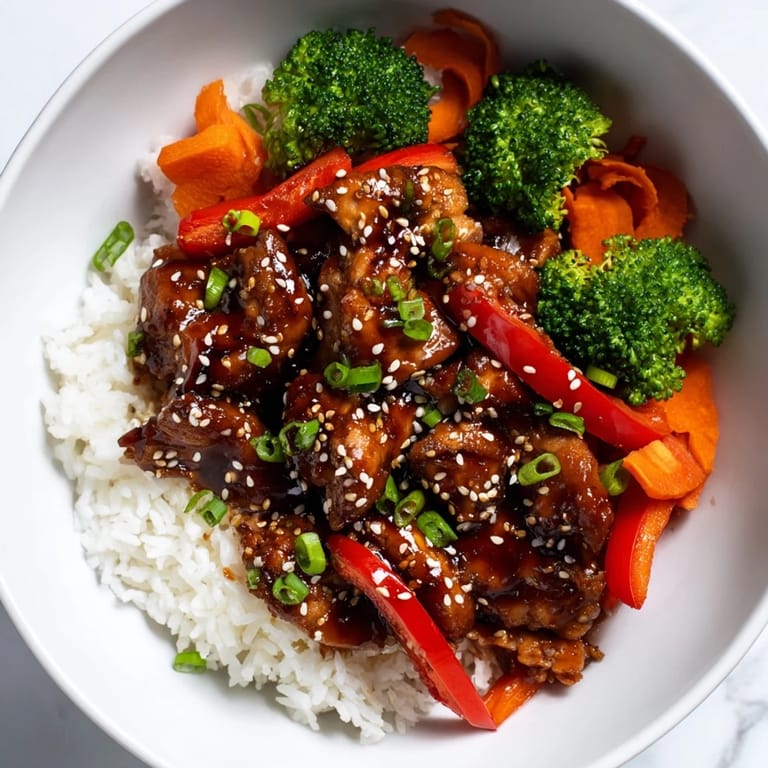
 I remember setting these meal-prep containers in the fridge on a Sunday evening and feeling this small rush of relief—the week ahead felt less chaotic knowing good food was waiting. The sauce had set into a glossy amber coat that gleamed under the kitchen light, and I thought about how something this simple could feel like such a small act of kindness to my future self.
Why This Works for Meal Prep
Teriyaki chicken and rice don't just survive the fridge—they actually improve a little as the flavors settle into the grains overnight. The vegetables stay crisp enough that you won't feel like you're eating sad leftovers, and the whole container can go straight from fridge to microwave or even straight to your desk if you eat cold. Four days is the limit before the sauce starts to separate, but honestly, most of these containers are gone by day three anyway.
Swaps and Flexibility
Chicken breast works if that's what you have, but expect it to be a little drier—brine it in salt water for 30 minutes first if you go that route. Tofu absorbs the teriyaki sauce beautifully and cooks even faster, though you'll need to press it first so it doesn't turn into rubber. If you want to add protein or crunch, edamame and snap peas are both perfect—toss them in during the last minute of cooking so they don't soften completely.
Flavor Variations and Personal Touches
Once you have the base, the teriyaki sauce becomes this blank canvas for whatever mood you're in. A teaspoon of sriracha or chili paste turns it spicy and sharp, while an extra spoonful of mirin makes it deeper and rounder. Some nights I add white miso paste or a splash of rice vinegar for extra tang, and the whole thing shifts personality without feeling like a different dish. For gluten-free needs, swap tamari for the soy sauce and double-check that your mirin doesn't contain wheat—everything else stays exactly the same.
- A squeeze of lime juice at the very end adds brightness that feels like a secret ingredient.
- Toasted sesame oil drizzled over just before eating brings a richness that regular oils can't match.
- Fresh cilantro or Thai basil instead of spring onions takes this in a completely different direction if you're feeling adventurous.
 Save to Pinterest
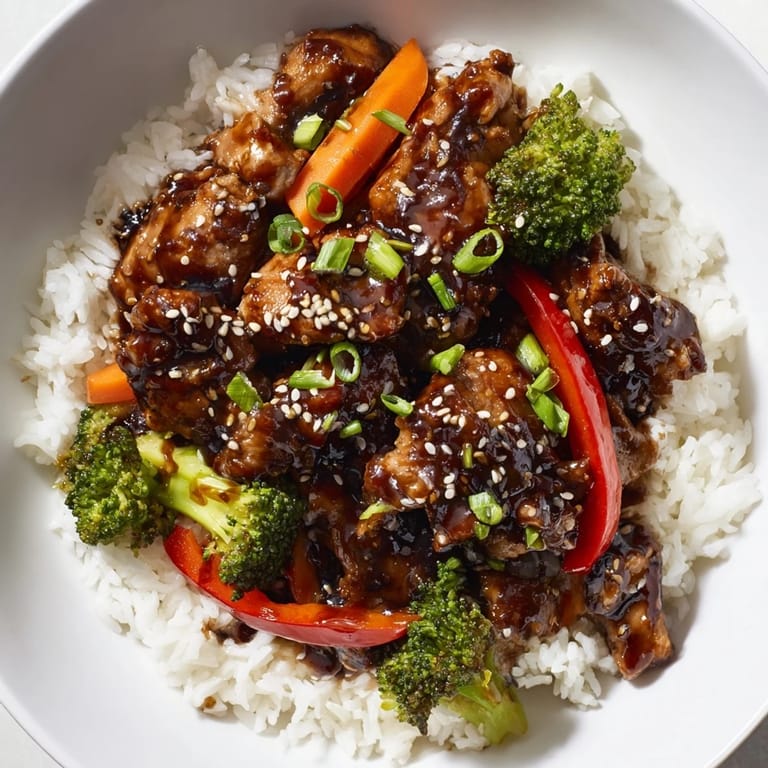
 This meal sits at that perfect intersection of effort and reward—not fussy, genuinely delicious, and kind to your future self. Make it once and you'll understand why it became my go-to.
Recipe Q&A
- → What type of rice works best?
Jasmine or short-grain rice is recommended for its fluffy texture and mild flavor, which complements the glazed chicken and vegetables.
- → How can I make the vegetables tender but crisp?
Steaming or blanching the broccoli, carrots, and bell pepper for 3–4 minutes achieves tenderness while retaining a slight crunch and vibrant color.
- → Can I substitute chicken thighs with other proteins?
Yes, chicken breast or tofu work well as alternatives, adjusting cooking times as needed to maintain texture and flavor.
- → Is there a way to thicken the teriyaki sauce naturally?
Cornstarch mixed with water creates a smooth slurry that thickens the sauce when heated, giving a glossy finish and coating the chicken evenly.
- → How long can this dish be stored safely?
When refrigerated in sealed containers, it stays fresh for up to four days, perfect for meal prepping or leftovers.