 Save to Pinterest
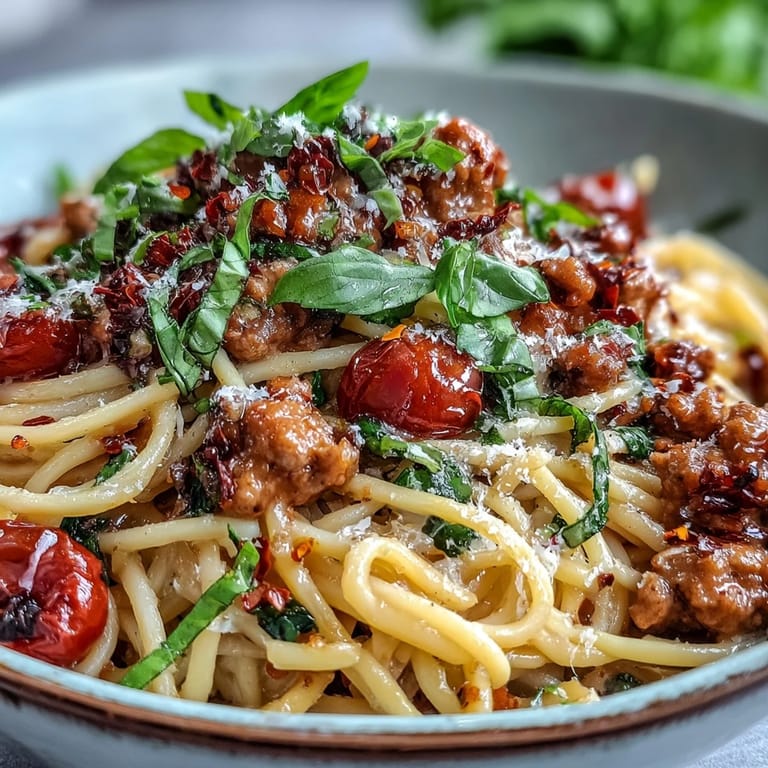
 My neighbor brought back a bottle of Chianti from Tuscany, and we cracked it open on a Tuesday night with no plan except to cook something bold. The kitchen smelled like garlic and butter within minutes, and I tossed whatever I had into a hot pan: sausage, cherry tomatoes, half the wine bottle. By the time the noodles hit the skillet, we were laughing at how quickly dinner had turned into something worth remembering. That night taught me that the best recipes come from impulse, not precision.
I made this for a group of friends who claimed they did not like fusion food, and by the second helping, they stopped talking and just ate. One of them scraped her plate clean and asked if I had been hiding this recipe on purpose. The truth is, I had only made it twice before, but watching everyone reach for more made it feel like an old family secret. Sometimes a dish earns its place at the table faster than you expect.
Ingredients
- Spaghetti or linguine: Use whatever shape you love, but long noodles catch the sauce better and twirl beautifully on a fork.
- Extra-virgin olive oil: This is your flavor base, so reach for something fruity and green that you would happily dip bread into.
- Yellow onion: Thinly sliced onions turn sweet and jammy as they cook, adding a subtle backbone to the sauce.
- Garlic cloves: Fresh garlic blooms in hot oil and perfumes the entire dish, so mince it finely and do not let it burn.
- Red pepper flakes: Start with less if you are cautious, you can always add more heat but you cannot take it back.
- Italian sausage or shrimp: Sausage brings deep, savory richness while shrimp keeps things lighter and slightly sweet, both work beautifully.
- Cherry tomatoes: They burst into jammy pockets of sweetness that balance the wine and spice perfectly.
- Tomato paste: A spoonful thickens the sauce and adds concentrated umami that ties everything together.
- Dry red wine: Chianti or Sangiovese deglazes the pan and adds a fruity, tannic depth that makes this dish sing.
- Soy sauce: It might sound odd, but this adds a salty, savory layer that mimics the complexity of a long-simmered sauce.
- Worcestershire sauce: Another secret weapon for umami, it deepens the flavor without announcing itself.
- Balsamic vinegar: Just a teaspoon brightens the whole dish and cuts through the richness with a hint of sweetness.
- Fresh basil: Torn at the last minute, it brings a peppery, aromatic freshness that canned herbs cannot touch.
- Fresh parsley: A handful stirred in at the end adds color and a clean, grassy note.
- Parmesan cheese: Grate it yourself for the best melt and the nutty, salty finish that clings to every noodle.
Tired of Takeout? 🥡
Get 10 meals you can make faster than delivery arrives. Seriously.
One email. No spam. Unsubscribe anytime.
Instructions
- Boil the pasta:
- Bring a large pot of salted water to a rolling boil and cook the pasta until just al dente, then reserve a cup of the starchy cooking water before draining. That cloudy water is liquid gold for building a silky sauce.
- Heat the skillet:
- Warm a large skillet over medium-high heat, add olive oil, and let it shimmer before adding anything else. A hot pan means better browning and deeper flavor.
- Sauté the aromatics:
- Toss in the sliced onion and cook until it softens and starts to turn translucent, then stir in the garlic and red pepper flakes until the kitchen smells incredible. Do not walk away, garlic burns fast.
- Cook the protein:
- Add crumbled sausage and break it into bite-sized pieces as it browns, or add shrimp and flip after a couple of minutes until they turn pink. Either way, you want a good sear and caramelized edges.
- Add the tomatoes:
- Stir in the halved cherry tomatoes and tomato paste, cooking until some tomatoes collapse and release their juices. Use your spoon to gently smash a few to help the sauce come together.
- Deglaze with wine:
- Pour in the red wine and scrape up all the browned bits stuck to the bottom of the pan, then let it bubble and reduce by half. This is where the magic happens.
- Build the sauce:
- Add soy sauce, Worcestershire, and balsamic vinegar, stirring everything together until it smells rich and complex. Taste it now and adjust with salt, pepper, or more heat if you like.
- Toss the pasta:
- Add the drained noodles directly to the skillet and toss to coat, adding reserved pasta water a little at a time until the sauce clings to every strand. The starch helps everything emulsify into a glossy, cohesive dish.
- Finish with herbs and cheese:
- Pull the pan off the heat and stir in torn basil, chopped parsley, and grated Parmesan until everything melts together. The residual heat will wilt the herbs just enough without cooking them flat.
- Serve immediately:
- Divide the pasta among bowls and top with extra Parmesan, fresh basil, sliced chili, or a squeeze of lemon. Serve it hot while the flavors are still bright and lively.
 Save to Pinterest
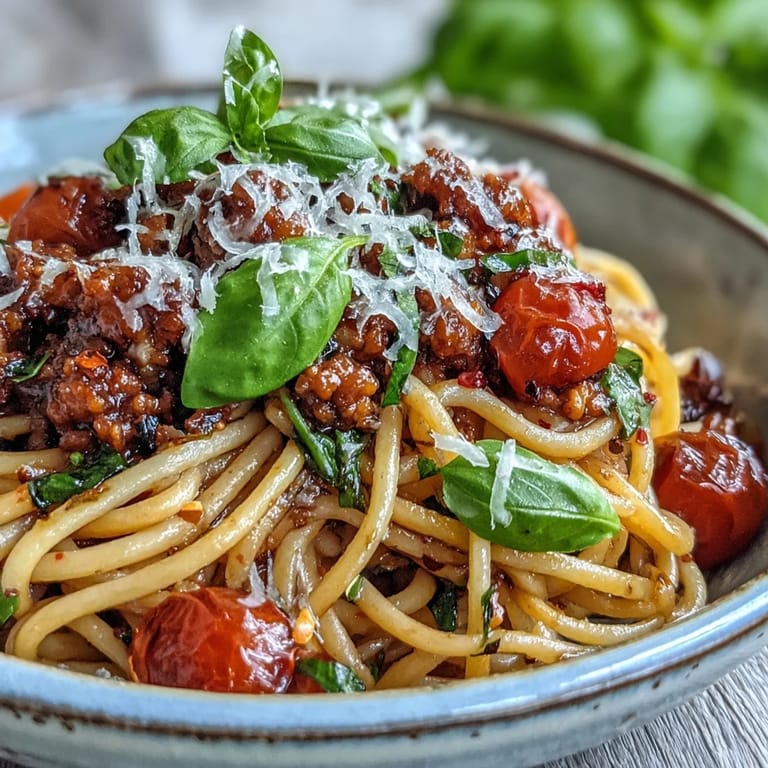
 I served this to my mom, who grew up making traditional Sunday gravy, and she paused mid-bite with a confused smile. She said it tasted like home but also like somewhere she had never been, and that is exactly what I love about this dish. It honors the comfort of Italian cooking while breaking all the rules in the best possible way.
How to Store and Reheat Leftovers
Leftovers keep beautifully in an airtight container in the fridge for up to three days, and they taste even better the next day after the flavors marry overnight. When reheating, add a splash of water, broth, or wine to the pan and warm gently over medium heat, tossing until the sauce loosens and coats the noodles again. Avoid the microwave if you can, it dries out the pasta and dulls the brightness of the herbs.
Swaps and Substitutions
If you want to make this vegetarian, skip the sausage and shrimp and use thick slices of sautéed mushrooms or cubes of marinated tofu for that savory, meaty texture. Gluten-free pasta works perfectly here, just cook it a minute less than the package says since it can turn mushy fast. You can also swap the Chianti for any dry red wine you have open, or even use a splash of red wine vinegar mixed with vegetable broth if you need to keep it alcohol-free.
Serving Suggestions
This dish is bold enough to stand alone, but it pairs beautifully with a simple arugula salad dressed in lemon and olive oil to cut through the richness. A crusty baguette or garlic bread is non-negotiable for sopping up every last bit of sauce, and a chilled glass of the same wine you cooked with makes the whole meal feel effortless and elegant. If you are feeding a crowd, double the recipe and serve it family-style straight from the skillet.
- Serve with a crisp green salad tossed in lemon vinaigrette for brightness and balance.
- Pour the same wine you cooked with to echo the flavors in the dish.
- Keep warm crusty bread nearby because no one will want to waste a single drop of sauce.
 Save to Pinterest
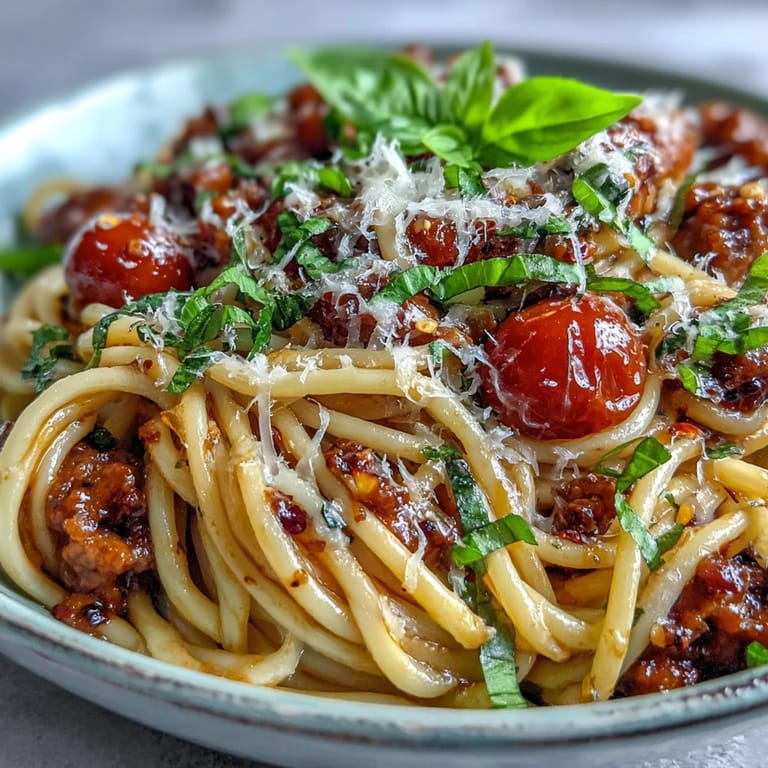
 This recipe has become my go-to when I want to impress without stressing, and it never fails to spark conversation at the table. Cook it once, and it will earn a permanent spot in your rotation.
Recipe Q&A
- → Can I make this dish vegetarian?
Yes, simply omit the sausage or shrimp and substitute with sautéed mushrooms or marinated tofu for a satisfying plant-based version.
- → What type of wine works best for this dish?
A dry red wine like Chianti or Sangiovese is recommended. The wine adds depth to the sauce and complements the Italian flavors beautifully.
- → How do I adjust the spice level?
Control the heat by adjusting the red pepper flakes. Use less for a milder dish, or add fresh chilies for extra kick. Start with less and add more to taste.
- → Can I use different types of pasta?
Absolutely. While spaghetti or linguine work wonderfully, you can substitute with gluten-free pasta, whole wheat varieties, or even pappardelle for a different texture.
- → How long will leftovers keep?
Store covered in the refrigerator for up to 3 days. Reheat gently with a splash of water or wine to revive the sauce and prevent the pasta from drying out.
- → Can I use shrimp instead of sausage?
Yes, peeled shrimp makes an excellent alternative. Cook for 2-3 minutes per side until pink and opaque, which takes less time than browning the sausage.