 Save to Pinterest
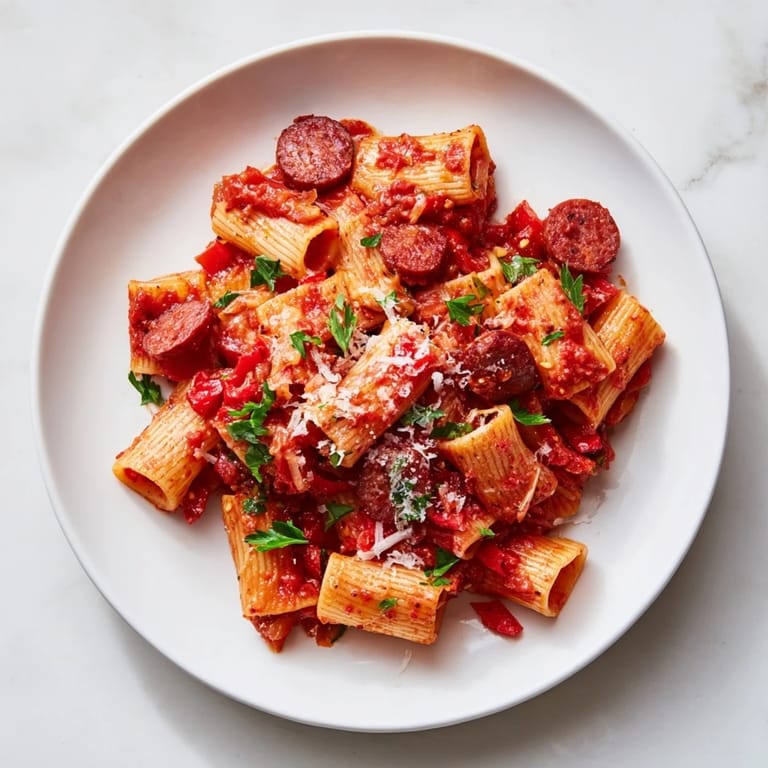
 There's something about the smell of chorizo hitting hot oil that instantly transported me back to a small kitchen in Barcelona, even though I was standing in my own apartment in the middle of winter. A friend had left me a tin of smoked paprika from a market visit, and I was determined to use it that evening. This pasta came together almost by accident—a pantry raid that turned into the kind of weeknight dinner that made me understand why Spanish food doesn't need to be complicated to be unforgettable.
I made this for my sister on a Thursday night when she showed up unannounced, stressed about work, needing comfort food fast. Twenty minutes later, we were sitting at my kitchen table twirling pasta on our forks, and she stopped mid-bite to say it tasted better than the paella she'd paid thirty dollars for last week. That's when I realized this recipe wasn't just about following steps—it was about that moment when simple ingredients suddenly feel luxurious.
Ingredients
- Penne or rigatoni pasta, 350g: The tubes catch that smoky sauce beautifully—don't use spaghetti here, it just slides around.
- Spanish chorizo, 200g: Slice it yourself from a whole link if you can find it; the quality difference is worth the thirty seconds with a knife.
- Medium onion, finely chopped: This gives the sauce its sweet base note, balancing all that spice.
- Garlic, 2 cloves minced: Mince it fresh—jarred garlic turns bitter when it sits in hot oil.
- Red bell pepper, diced: It softens into the sauce and adds brightness that cuts through the richness of the chorizo.
- Canned chopped tomatoes, 400g: San Marzano if your budget allows, but any quality brand works—this is where flavor comes from.
- Smoked paprika, 1 tsp: This is the soul of the dish; don't skip it or substitute with regular paprika.
- Chili flakes, ½ tsp optional: Add this if you like heat creeping up on you slowly, or skip it if you're cooking for cautious eaters.
- Extra virgin olive oil, 2 tbsp: Use something you'd actually taste on bread—it matters here.
- Fresh parsley and Manchego cheese for finishing: These aren't afterthoughts; they're the punctuation mark on the whole dish.
Tired of Takeout? 🥡
Get 10 meals you can make faster than delivery arrives. Seriously.
One email. No spam. Unsubscribe anytime.
Instructions
- Get your water boiling:
- Salt the water generously—it should taste like the sea. This is your only chance to season the pasta itself, so don't be shy. Start this first so everything else has time to cook while the pasta does its thing.
- Brown the chorizo:
- The moment you hear that gentle sizzle and smell the smoke rising, you'll know you're on the right track. Let it sit for a minute before stirring so the edges get crispy and the oils release into the pan—this is where all the flavor comes from.
- Build your soffritto:
- Toss in the onion and bell pepper, and this is when your kitchen starts to smell genuinely special. The vegetables will soften and start to caramelize at the edges, which takes about five minutes and deserves your patience.
- Wake up the spices:
- Add the garlic, smoked paprika, and chili flakes here. You'll smell it transform within seconds—that's when you know the flavor is waking up. One minute is all it takes before the garlic starts to darken, so have your tomatoes ready to go in next.
- Simmer the sauce:
- Pour in the tomatoes and let everything bubble away gently for eight to ten minutes. The sauce will thicken and deepen in color, and you'll start to see the oil separating slightly on top—that's how you know it's developing real flavor.
- Bring it together:
- Add the drained pasta directly to the skillet and toss until every piece is coated. If it seems too thick, add your reserved pasta water slowly; the starch in it helps the sauce cling to the pasta in the best way.
- Finish and serve:
- Taste it, crack some black pepper over everything, and finish with parsley and cheese if you have them. Serve while it's hot enough that the steam carries all those smoky, garlicky notes right to your nose.
 Save to Pinterest
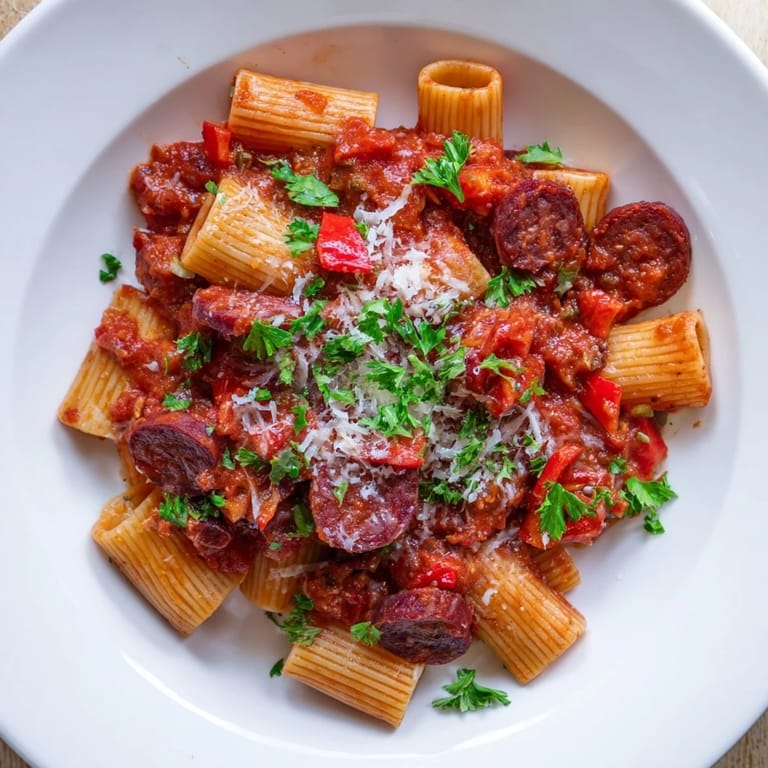
 There's a moment right after I toss the pasta into that skillet when everything comes together—the sauce coats each piece, the smell hits full force, and I remember why I keep coming back to this recipe. It's one of those dishes that tastes like you understand something about food, even though all you did was follow your instincts and let good ingredients do the work.
The Chorizo Question
Spanish chorizo is genuinely different from the Italian sausage sitting next to it at most grocery stores, and it's worth seeking out for this dish. The smoked paprika is already baked into the chorizo itself, which means it contributes flavor complexity that fresh sausage simply can't match. If you absolutely can't find it, spicy Italian sausage works, but add an extra half teaspoon of smoked paprika to the pan to compensate—you're trying to capture that specific smoky heat that makes this recipe feel authentically Spanish.
When to Add Wine or Vegetables
I sometimes splash in a quarter cup of dry white wine right after the onions soften, letting it cook down until it's almost gone before adding the tomatoes. It adds a subtle depth that's hard to name but easy to taste. As for spinach or arugula, wilt them in right at the very end, just before serving—the residual heat is perfect, and they stay bright instead of turning into mush on the heat.
Storage and Scaling
This dish keeps beautifully in the refrigerator for three days, and honestly, it tastes even better the next day when the flavors have had time to get to know each other. The only downside is the pasta gets a bit stiff as it cools, so when you reheat it, add a splash of water and toss it gently so it loosens up again.
- Double the recipe easily if you're cooking for more people—just give the sauce a minute or two longer to thicken.
- Don't make it days in advance; the pasta is best eaten within a day of cooking.
- Leftover pasta makes an excellent cold salad the next morning with a squeeze of lemon and fresh parsley.
 Save to Pinterest
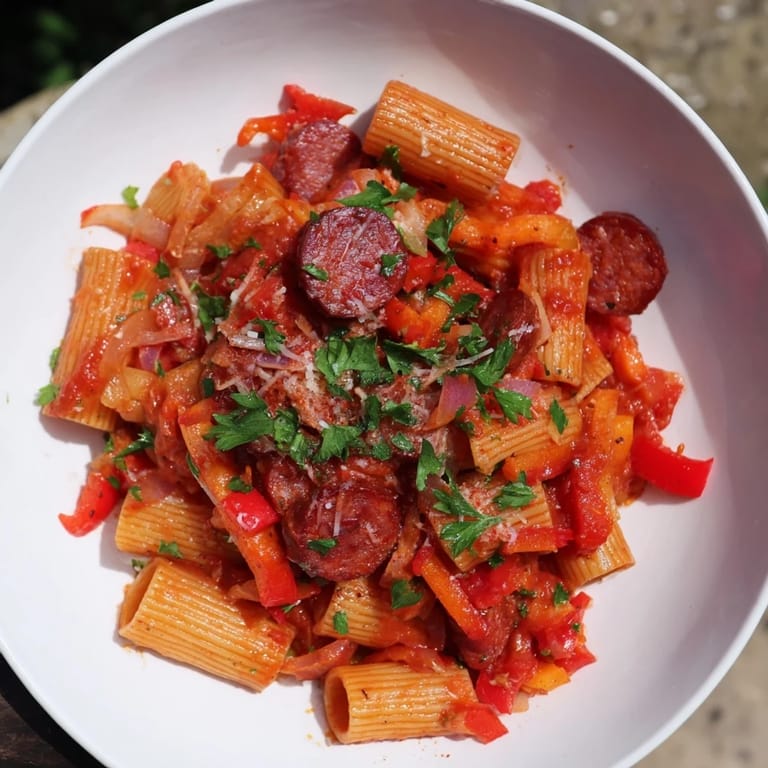
 This is the kind of recipe that teaches you the most important thing about cooking: when you start with honest ingredients and let them be themselves, magic happens on its own. Make it once, and it becomes the dish you turn to when you want to feel like you know what you're doing in the kitchen.