 Save to Pinterest
 My kitchen smelled like a bakery and a pizzeria had collided in the best possible way. I was roasting garlic for the first time on purpose, not by accident while making something else. The bulbs sat wrapped in foil, quietly caramelizing in the oven while I nervously checked them every ten minutes. When I finally squeezed those soft, golden cloves into my cream sauce, I understood why people write poems about garlic.
I made this for my sister after she had a truly terrible week at work. She sat at my kitchen table, silent and tired, twirling fettuccine around her fork. Halfway through her bowl, she looked up and said it tasted like a hug. I have been chasing that compliment ever since.
Ingredients
- Garlic bulbs: You need two whole heads, not two cloves, and roasting them transforms their bite into something rich and jammy that becomes the soul of this dish.
- Olive oil: Just enough to keep the garlic from drying out in the oven, do not skip this or you will end up with papery, bitter cloves.
- Fettuccine or spaghetti: Use whatever long pasta makes you happy, but the wider noodles hold onto the cream sauce like they were designed for it.
- Heavy cream: This is not the time to go fat free, the richness is what makes the sauce cling and coat every strand of pasta.
- Milk: A little milk thins the sauce just enough so it does not feel heavy, and it helps everything come together smoothly.
- Parmesan cheese: Freshly grated is the only way, the pre shredded stuff has coatings that make the sauce gritty instead of silky.
- Shallot: One small shallot adds a gentle sweetness that balances the garlic without competing with it.
- Butter: Unsalted lets you control the seasoning, and it gives the sauce a glossy finish that cream alone cannot achieve.
- Black pepper and nutmeg: Just a whisper of each, they add warmth and depth without announcing themselves.
- Fresh parsley: Optional but pretty, and it gives you something green to feel virtuous about.
Tired of Takeout? 🥡
Get 10 meals you can make faster than delivery arrives. Seriously.
One email. No spam. Unsubscribe anytime.
Instructions
- Roast the garlic:
- Preheat your oven to 200°C (400°F), slice the tops off two garlic bulbs to expose the cloves, drizzle with olive oil, wrap snugly in foil, and roast for 35 to 40 minutes until the cloves are soft, golden, and smell like heaven. Let them cool enough to handle, then squeeze the cloves out like toothpaste.
- Cook the pasta:
- Bring a large pot of well salted water to a rolling boil and cook your pasta until al dente, following the package timing. Before draining, scoop out half a cup of the starchy pasta water and set it aside.
- Start the sauce base:
- Melt the butter in a large skillet over medium heat, add the finely chopped shallot, and let it soften for about two minutes until it turns translucent and fragrant. Do not let it brown or it will taste bitter.
- Add the roasted garlic:
- Mash your roasted garlic cloves into a rough paste with a fork, add them to the skillet, and stir for about a minute until the smell makes you want to abandon all other plans. The garlic should coat the shallots and butter evenly.
- Build the cream sauce:
- Pour in the cream and milk, whisk everything together, and bring it to a gentle simmer. Let it bubble softly for three to four minutes until it thickens just slightly and coats the back of a spoon.
- Finish with cheese and seasoning:
- Stir in the Parmesan, salt, pepper, and a tiny pinch of nutmeg if you are feeling adventurous. Keep stirring gently until the cheese melts completely and the sauce turns velvety and smooth.
- Toss the pasta:
- Add your drained pasta directly to the skillet and toss it with tongs until every strand is coated in sauce. If it looks too thick, add the reserved pasta water a splash at a time until it reaches a creamy, clingy consistency.
- Serve immediately:
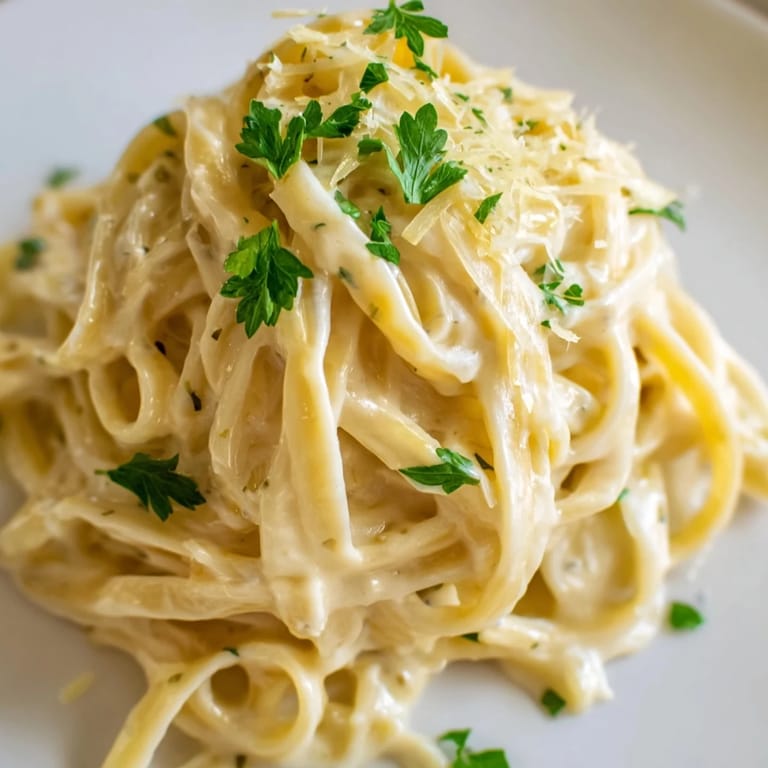
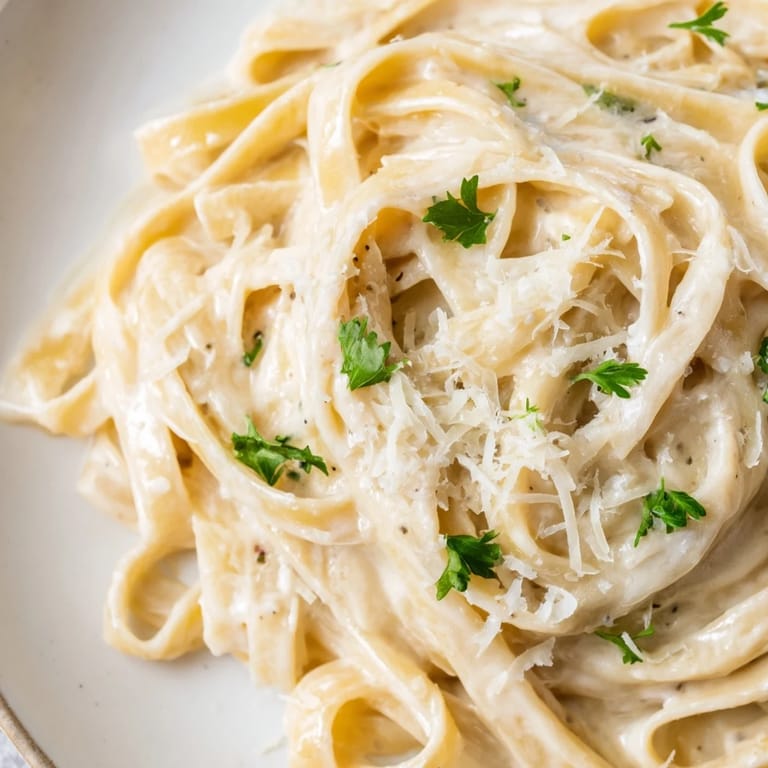
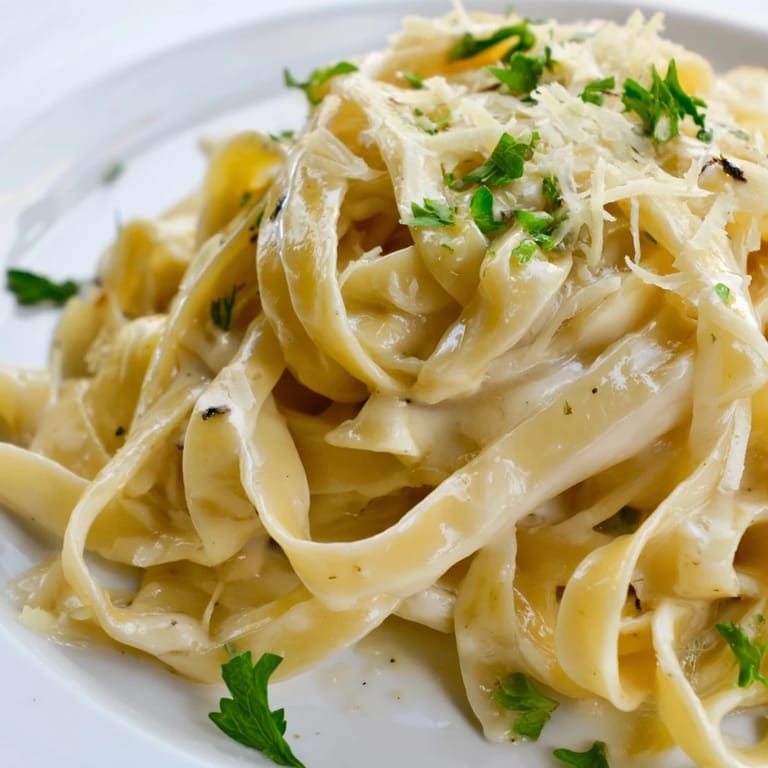
- Plate the pasta while it is still steaming, top with extra Parmesan and a sprinkle of parsley if you have it. This dish does not wait well, so eat it right away while the sauce is glossy and perfect.
 Save to Pinterest
 One night I served this to friends who claimed they did not like garlic. They went quiet after the first bite, then one of them asked if I had put crack in the sauce. I took it as a compliment. Now they request it every time they come over, and I pretend it is a huge effort even though I could make it in my sleep.
Making It Your Own
This sauce is a blank canvas that welcomes almost anything you want to add. I have folded in sautéed mushrooms, wilted spinach, and even leftover roasted vegetables with great success. If you want protein, grilled chicken or shrimp work beautifully, just toss them in at the end so they stay tender. Some nights I add a pinch of red pepper flakes for a gentle kick, and it completely changes the mood of the dish without overwhelming the garlic.
Storing and Reheating
Leftovers keep in the fridge for up to three days, though the pasta will soak up some of the sauce as it sits. When you reheat it, add a generous splash of milk or cream to a skillet over low heat and stir gently until everything loosens up again. I have also microwaved it in a pinch, adding a little liquid and covering it with a damp paper towel to keep it from drying out. It will never be quite as silky as the first day, but it is still deeply satisfying and better than most takeout.
Wine and Serving Suggestions
I like to serve this with a crisp, cold Pinot Grigio or Sauvignon Blanc because the acidity cuts through the cream and refreshes your palate between bites. A simple green salad with lemon vinaigrette and some crusty bread for mopping up extra sauce is all you really need. If you are feeling ambitious, roasted broccolini or asparagus on the side adds color and a little bitterness that balances the richness.
- Use a vegetable peeler to shave extra Parmesan curls over the top just before serving for a restaurant look.
- If you have any leftover roasted garlic, spread it on toast the next morning, it is shockingly good.
- This dish tastes even better when you stop worrying about whether the proportions are perfect and just enjoy the process.
 Save to Pinterest
 This pasta has become my answer to hard days, quiet evenings, and unexpected guests who show up hungry. It never judges me for using jarred Parmesan when I am out of the good stuff, and it always delivers comfort exactly when I need it most.
Recipe Q&A
- → How long does roasted garlic take to prepare?
Roasted garlic takes approximately 35-40 minutes in a 200°C (400°F) oven. Slice the tops off whole bulbs, drizzle with olive oil, wrap in foil, and roast until the cloves become soft and golden brown.
- → Can I make this dish ahead of time?
Yes, you can roast the garlic several hours or even a day in advance. Store roasted garlic cloves in an airtight container in the refrigerator. Cook the pasta fresh just before serving for the best texture and results.
- → What can I substitute for heavy cream?
Half-and-half creates a lighter version with fewer calories while maintaining creaminess. Greek yogurt or crème fraîche can also work, though the texture will differ slightly. Add these at the end to prevent curdling.
- → Why is pasta water important for this dish?
Reserved pasta water contains starch that helps emulsify the sauce and achieve the perfect consistency. Adding it gradually while tossing allows you to control the sauce thickness and helps it coat the pasta evenly.
- → What vegetables pair well with this pasta?
Sautéed spinach, mushrooms, and sun-dried tomatoes complement the roasted garlic beautifully. Roasted cherry tomatoes or fresh asparagus also work wonderfully. Add vegetables after preparing the sauce for best results.
- → Is this vegetarian-friendly?
Yes, this dish is completely vegetarian as it contains no meat. It features pasta, dairy (butter, cream, Parmesan), and roasted garlic. Ensure your Parmesan is made with vegetarian rennet if that's a concern.