 Save to Pinterest
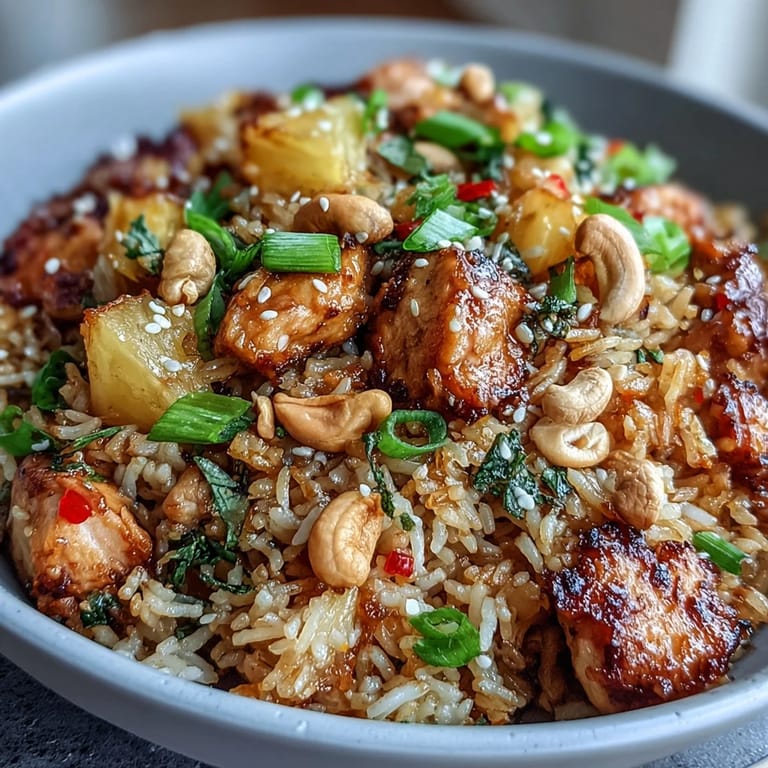
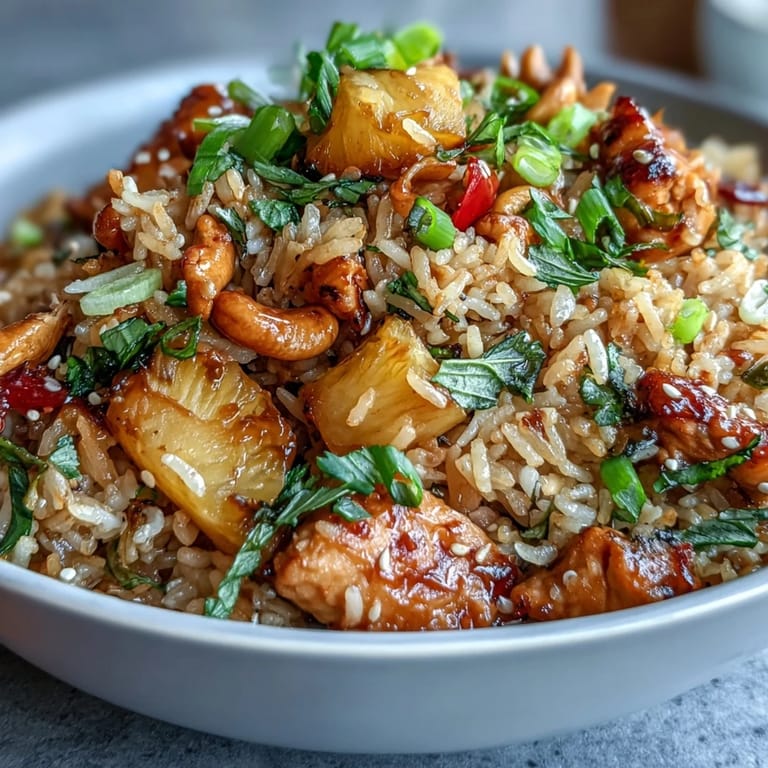
 There's something almost magical about the moment when a wok gets hot enough that you can barely hold your hand near it—that's when I knew this pineapple chicken fried rice would come together perfectly. My neighbor brought over fresh pineapple from her garden one summer evening, and instead of letting it sit in the fruit bowl, I tossed it into a quick stir-fry that turned into one of those meals people still ask me to make. The sweet and savory combination caught everyone off guard in the best way, and I realized then that fried rice could be so much more than what I'd been making.
I made this for a group of friends who were stuck debating between ordering Thai takeout or settling for pasta, and watching them go silent after the first bite felt like winning an invisible competition. One friend asked if I'd somehow found a way to bottle summer in a bowl, which probably means the pineapple was doing its job perfectly. That night, this dish went from something I made on impulse to something people actually request by name.
Ingredients
- Boneless, skinless chicken breasts (2, about 350 g, diced): Day-old rice is your best friend here, but fresh chicken should be cut into smallish pieces so it cooks through quickly without drying out.
- Large eggs (2, lightly beaten): These scramble into golden flecks that add richness and texture, though you can skip them if you're keeping it simpler.
- Cooked jasmine rice (4 cups, preferably day-old): This is the real secret—day-old rice has lost enough moisture that it fries up crispy instead of turning mushy and clumpy.
- Fresh pineapple (1 cup, diced): If you're using canned, make sure it's drained well or your fried rice becomes wet and loses its texture.
- Red bell pepper (1, diced): The color is half the appeal here, but it also brings sweetness and a slight bite when it's just barely softened.
- Carrot (1 small, peeled and diced): Small dice matters because these cook in the time you have, and larger chunks will stay raw in the middle.
- Green onions (3, sliced): Keep some raw for the end so you get that fresh, oniony snap alongside the warm elements.
- Garlic (2 cloves, minced): Don't skip the mincing—larger pieces burn and turn bitter in a hot wok, but proper minced garlic perfumes everything beautifully.
- Frozen peas (½ cup, thawed): Thaw them before cooking so you're not adding cold spots to your hot rice.
- Roasted unsalted cashews (½ cup): The roasting is already done, so you just need to stir them in at the end so they stay crunchy.
- Soy sauce (3 tbsp): Use tamari if gluten is a concern, and taste as you go because different brands have different salt levels.
- Oyster sauce (1 tbsp, optional): This adds a subtle depth that regular soy sauce alone can't quite reach, but soy sauce works fine on its own.
- Fish sauce (1 tsp, optional): It smells funky in the bottle but disappears into the background as a flavor amplifier—optional but worth trying.
- Ground white or black pepper (½ tsp): White pepper is more authentic here, and it blends better than black, but use what you have.
- Vegetable oil (1½ tbsp): A neutral oil with a high smoke point is non-negotiable when you're working with a screaming hot wok.
- Sesame oil (1 tsp): This goes in at the very end because heat destroys its nutty flavor and aroma.
Tired of Takeout? 🥡
Get 10 meals you can make faster than delivery arrives. Seriously.
One email. No spam. Unsubscribe anytime.
Instructions
- Get organized before you start:
- Dice everything and have it sitting in little bowls or piles on your cutting board, because once the wok is hot, things move fast and you won't have time to chop. If your rice has clumps from being in the fridge, break them apart with your fingers right now.
- Cook the chicken first:
- Heat 1 tablespoon of vegetable oil in your wok over medium-high heat until it shimmers, then add the diced chicken and don't stir it constantly—let it brown on one side for a minute before tossing it around. Once it's cooked through and golden in spots (about 4–5 minutes), push it to the side or pull it out onto a plate.
- Scramble eggs if you're using them:
- Add a splash more oil if the wok looks dry, pour in your beaten eggs, and let them set for just a second before stirring gently until they're barely set—they'll keep cooking from the residual heat. Move them out to the same plate as your chicken.
- Build flavor with vegetables:
- Add the remaining oil and let it get hot, then sauté the garlic first for maybe 30 seconds until it's fragrant, then add the carrot and bell pepper. Cook for 2–3 minutes, stirring occasionally, until the edges soften but they still have some firmness.
- Toast the rice properly:
- This is where it gets important—spread the rice out in the wok and let it sit for a minute without stirring so the bottom makes contact with the hot surface and gets a little crispy. Then start breaking up clumps and stirring frequently for 2–3 minutes until you hear the grains clicking against the wok.
- Bring everything back together:
- Add the cooked chicken and eggs back in, then the pineapple, peas, and most of the green onions (save some for the top). Stir everything together gently so the pineapple doesn't break down into mush.
- Season and finish:
- Drizzle in the soy sauce, oyster sauce if using, fish sauce if using, and pepper, then stir-fry for another 2–3 minutes so the flavors get distributed and everything is hot throughout. Take it off heat and stir in the sesame oil and cashews, then taste a bite and adjust seasoning if it needs more soy or a crack more pepper.
- Serve with flair:
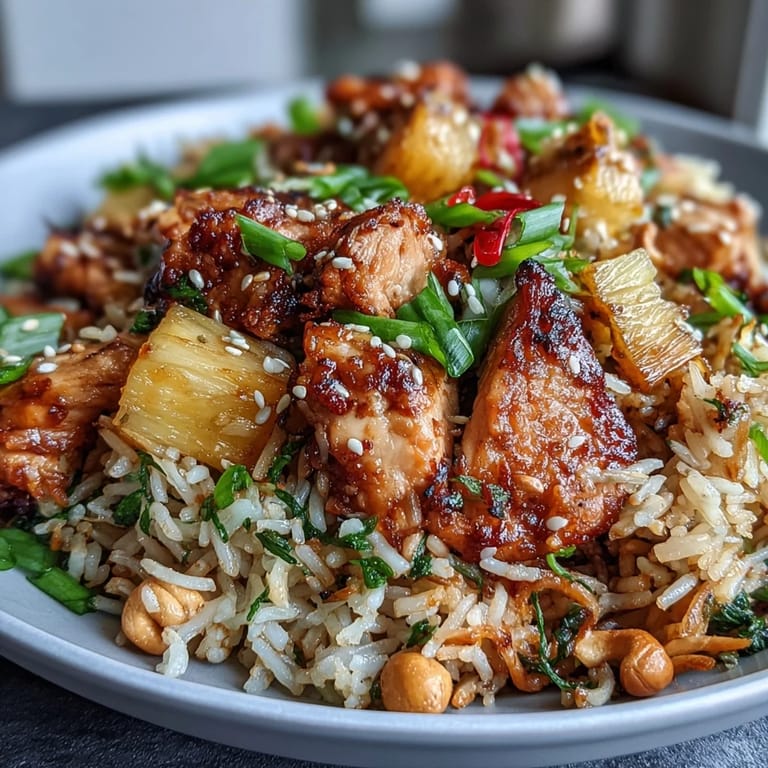
- Spoon it into bowls and scatter the reserved green onions on top, where they'll stay bright and raw against the warm rice.
 Save to Pinterest
 There was a night when my kid came home from school stressed about an exam, and instead of letting the mood get heavier, I made this for dinner and suddenly everything felt manageable again. Funny how food does that—it's not magic, but it feels close.
Why Day-Old Rice Really Matters
I learned this the hard way by trying to make fried rice with rice straight from the cooker, and it turned into a sticky, mushy mess that no amount of stirring could save. The science is simple: fresh rice is full of moisture and starch, so it clumps together, but when rice sits in the fridge overnight, it dries out just enough that each grain stays separate. It's the difference between something restaurant-quality and something that feels more like a rice pudding than fried rice.
The Secret of Keeping Vegetables Textured
One thing I noticed early on is that if you cut everything into roughly the same size, it cooks evenly instead of having some pieces raw and others falling apart. The dicing matters because big chunks of carrot won't get tender in the few minutes you're cooking, and tiny pieces of bell pepper will turn to mush. Small dice, about the size of a pea, gives you vegetables that are warm and slightly softened but still have a little bite to them.
Making It Your Own
This recipe is a starting point, not a rulebook—I've made versions with cashew-free versions for a friend with allergies, swapped pineapple for mango on a whim, and once threw in leftover shrimp when I didn't have chicken. The structure stays the same, but the flavors can bend to what's in your kitchen or what you're craving. That flexibility is part of why it became such a favorite: it never gets boring because it's always slightly different.
- For extra heat without overwhelming sweetness, add a diced jalapeño or a pinch of chili flakes instead of relying only on the pineapple's sweetness.
- If cashews aren't your thing, peanuts or sunflower seeds give you the same crunch and richness with a different personality.
- Vegetarians can skip the chicken and fish sauce entirely, then add extra vegetables or even some crumbled tofu for protein without losing the essence of what makes this dish special.
 Save to Pinterest
 This fried rice became the meal I reach for when I want to feel like I actually cooked something impressive without losing an hour in the kitchen. It's proof that simple ingredients and a little attention to timing can turn something ordinary into something people genuinely look forward to eating.
Recipe Q&A
- → What type of rice works best?
Day-old jasmine rice is ideal as it fries better and retains a crisp texture without clumping.
- → Can I substitute the chicken?
Yes, tofu or extra vegetables can replace chicken for a vegetarian alternative.
- → How do cashews affect the dish?
Roasted cashews add a satisfying crunch and mild, nutty flavor that complements the sweetness of pineapple.
- → What oils are used in the cooking process?
Vegetable oil is used for stir-frying chicken and vegetables, while sesame oil is added at the end for aroma and depth.
- → Can I add heat to this dish?
Yes, including chopped chilies or chili flakes adds a spicy kick without overpowering the sweet-savory balance.