 Save to Pinterest
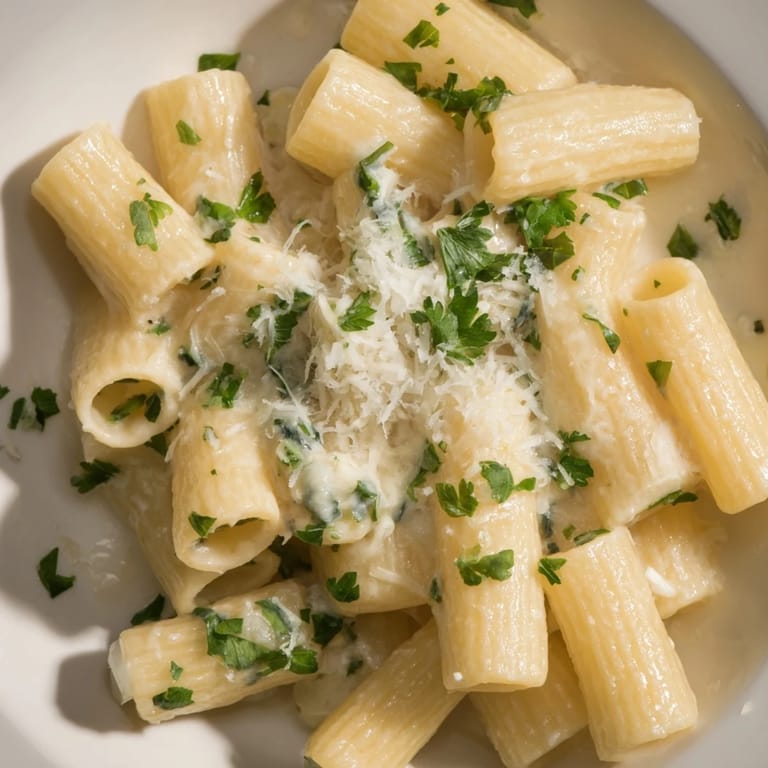
 There's something about the sound of butter hitting a hot pan that signals comfort is on the way. One weeknight, I was standing in my kitchen with nothing but twenty minutes and a craving for something warm that didn't require multiple pots or overthinking. That's when ditalini came into play—these tiny, playful pasta tubes that cook right in the broth, turning an ordinary chicken stock into something creamy and golden without a single splash of cream. What started as an improvisation became my go-to when time is tight but my appetite isn't.
I made this for a friend who showed up exhausted after a brutal day at work, and watching her face change when she tasted it—that soft sigh of relief—reminded me why simple food often says the most. She asked for the recipe immediately, which felt like the highest compliment. Now whenever she texts me asking what's for dinner, I know exactly what she's hoping I'll suggest.
Ingredients
- Ditalini pasta (340 g / 12 oz): These little tubes are the secret—they soak up the broth like tiny sponges, which means more flavor in every spoonful than you'd expect from standard pasta.
- Low-sodium chicken broth (1 liter / 4 cups): The base becomes your sauce here, so good broth matters; I learned to taste it plain first because a salty broth becomes a salty dish with no room to adjust.
- Unsalted butter (3 tablespoons): This melts into the broth and creates that silky coating on each piece of pasta, plus it carries the garlic's flavor like nothing else can.
- Freshly grated Parmesan cheese (60 g / ½ cup): Grate it yourself right before using—pre-grated cheese has anti-caking agents that make it grainy in the heat, and you'll taste the difference immediately.
- Garlic cloves (4 large, minced): The entire dish hinges on this moment; don't let it brown or it turns bitter and ruins the gentle, aromatic quality that makes this work.
- Shallot (1 small, finely chopped): Optional, but it adds a whisper of sweetness that rounds out the garlic's sharpness if you have one on hand.
- Freshly ground black pepper (½ teaspoon) and red pepper flakes (¼ teaspoon): These layer in complexity at the very end—don't rush past this step or your dish will taste flat.
- Fresh parsley (2 tablespoons, chopped) and extra Parmesan for serving: The fresh herb is your final note; it brightens everything and makes the dish feel finished rather than functional.
Tired of Takeout? 🥡
Get 10 meals you can make faster than delivery arrives. Seriously.
One email. No spam. Unsubscribe anytime.
Instructions
- Start with butter and garlic:
- Melt the butter over medium heat until it's foaming and fragrant, then add your minced garlic and shallot if using. Watch it closely for just 1–2 minutes—you want the smell to fill your kitchen, not the color to turn golden. This is where the foundation of the entire dish happens.
- Coat the pasta:
- Add the ditalini and stir it into that garlicky butter, making sure every piece gets glossy and golden. This toasting step, even though it's quick, changes how the pasta absorbs the broth and deepens the flavor in a way that feels almost magical.
- Add the broth and simmer:
- Pour in your chicken broth—it'll bubble and steam—then reduce the heat to a gentle simmer. Stir occasionally to prevent the pasta from sticking to the bottom, and listen to the sound shift from a rolling boil to a quiet murmur.
- Cook until creamy:
- After 10–12 minutes, the pasta becomes tender and the broth thickens as the starch releases from the pasta. If it looks too dry before the pasta is ready, splash in some hot water—better to add it now than serve something gluey.
- Finish with cheese and seasonings:
- Stir in the Parmesan, black pepper, and red pepper flakes off the heat, tasting as you go and adjusting salt to your preference. The residual heat melts the cheese into a silky finish without making it grainy.
- Rest and serve:
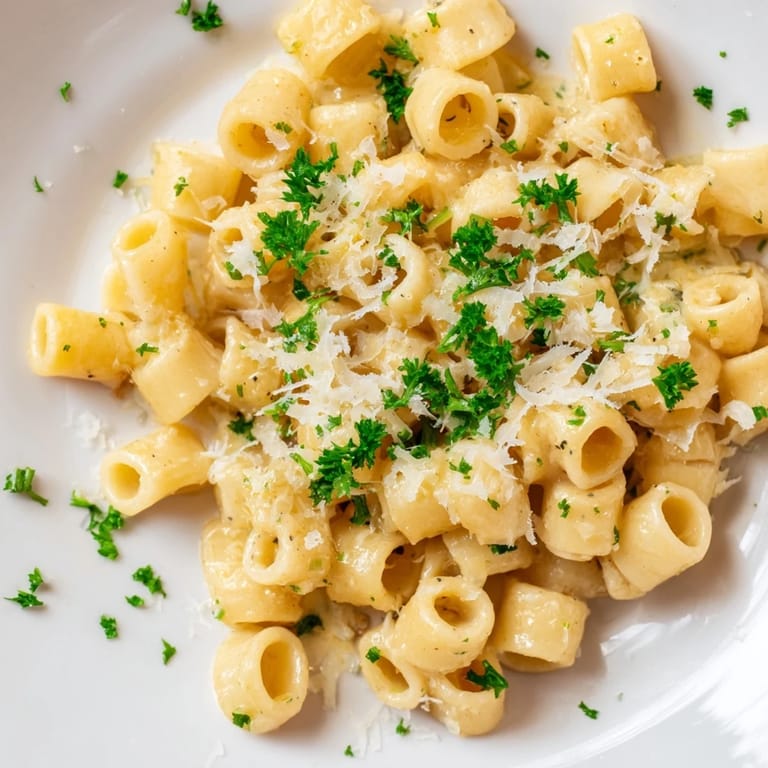
- Let everything sit for 2 minutes to thicken slightly and let the flavors settle, then plate it up with a handful of fresh parsley and more Parmesan scattered over the top.
 Save to Pinterest
 My daughter, who's at that age where everything is "boring," asked for seconds of this without being prompted, which felt like winning the lottery. That moment taught me that sometimes the simplest food, made with intention and care, is exactly what people actually want to eat.
Variations and Add-Ins
The beauty of this dish is that it's a canvas, not a fixed formula. I've stirred in everything from sautéed spinach to roasted cherry tomatoes, and each version feels like a completely different meal even though the base stays the same. A handful of cooked chicken turns it into something more substantial; a splash of heavy cream makes it richer if you want to go that direction. The vegetable broth swap is seamless for vegetarian nights, and I've even used half broth and half white wine for an evening when things felt a little fancier.
Building Flavor in a Single Pot
One-pot meals aren't about shortcuts so much as they're about understanding how flavors build when everything cooks together. The butter carries the garlic's fragrance, the pasta releases starch that naturally thickens the broth, and the cheese at the end ties everything into something greater than the sum of its parts. What looks like a simple technique is actually a cascade of small choices that compound into something memorable.
Pairing and Serving Ideas
This pasta is delicious on its own, but it doesn't demand much accompaniment—a simple green salad with a bright vinaigrette cuts through the richness, and a crisp Pinot Grigio sits next to it without competing. I've also served it in smaller bowls as a first course followed by roasted chicken, which lets you celebrate the pasta without it being the whole show. The leftovers keep well and reheat gently on the stove with a splash of broth or water to loosen them back to the right consistency.
- A squeeze of fresh lemon juice just before serving brightens everything without making it feel heavy.
- Toasted breadcrumbs scattered on top add a subtle crunch that keeps each bite interesting.
- A crack of fresh pepper at the table lets everyone adjust the heat to their preference.
 Save to Pinterest
 This is the kind of dish that proves you don't need hours in the kitchen to cook something worth remembering. Make it when you need comfort without ceremony.
Recipe Q&A
- → Can vegetable broth be used instead of chicken broth?
Yes, vegetable broth works well to keep this dish vegetarian while maintaining rich flavor.
- → How can I make the dish creamier?
Stirring in heavy cream or a splash of milk at the end enhances creaminess without overpowering the garlic-butter base.
- → Is it necessary to sauté the garlic before adding pasta?
Sautéing garlic briefly in butter brings out its aroma and softens its sharpness, creating a flavorful base.
- → Can I add vegetables or protein to this dish?
Absolutely, adding sautéed spinach, peas, or cooked chicken makes for a heartier meal while complementing the flavors.
- → What is the best way to prevent pasta from sticking during cooking?
Stir frequently and add extra hot water or broth if the mixture becomes too dry before pasta reaches desired tenderness.
- → Is Parmesan cheese necessary for this dish?
Parmesan adds depth and creaminess, but vegetarian-friendly alternatives can be used if preferred.