 Save to Pinterest
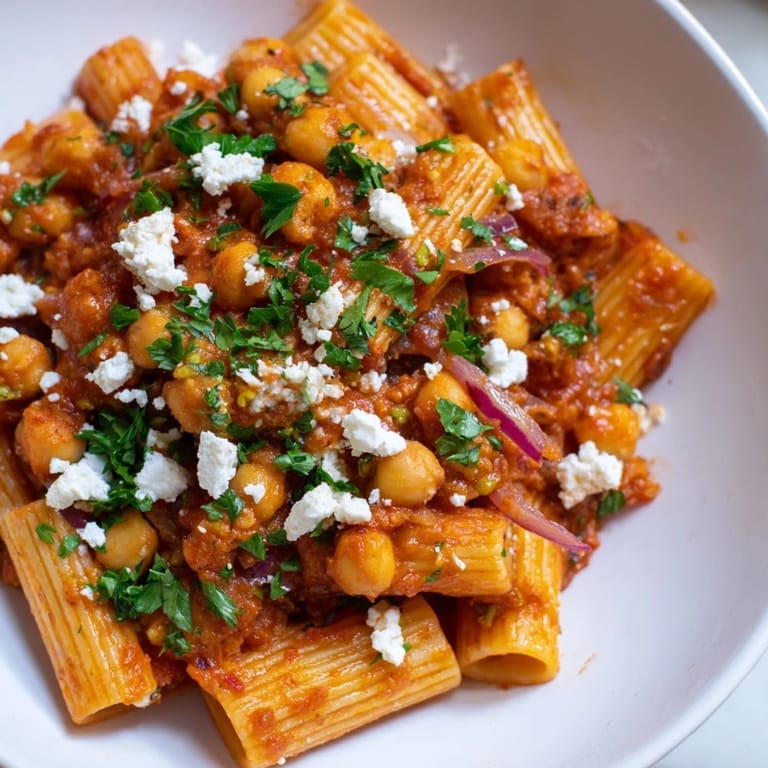
 There's something about the smell of harissa hitting hot oil that stops me mid-kitchen every single time. I discovered this pasta on an unremarkable Tuesday when I had chickpeas, a jar of harissa I'd been nervous to use, and absolutely no plan. Twenty-five minutes later, I was twirling a bowl of something so vibrant and alive that my kitchen felt like it had transformed. It's become the dish I make when I want dinner to feel less like an obligation and more like a small celebration.
I remember cooking this for my sister the first time she visited after she'd gone vegetarian, and she got quiet halfway through the first bite. Not sad quiet, just the kind where you realize someone has handed you exactly what you needed without knowing it. Now it's the dish she requests, and I've made it enough times that I know the exact moment when the garlic catches the harissa and fills my whole apartment with warmth.
Ingredients
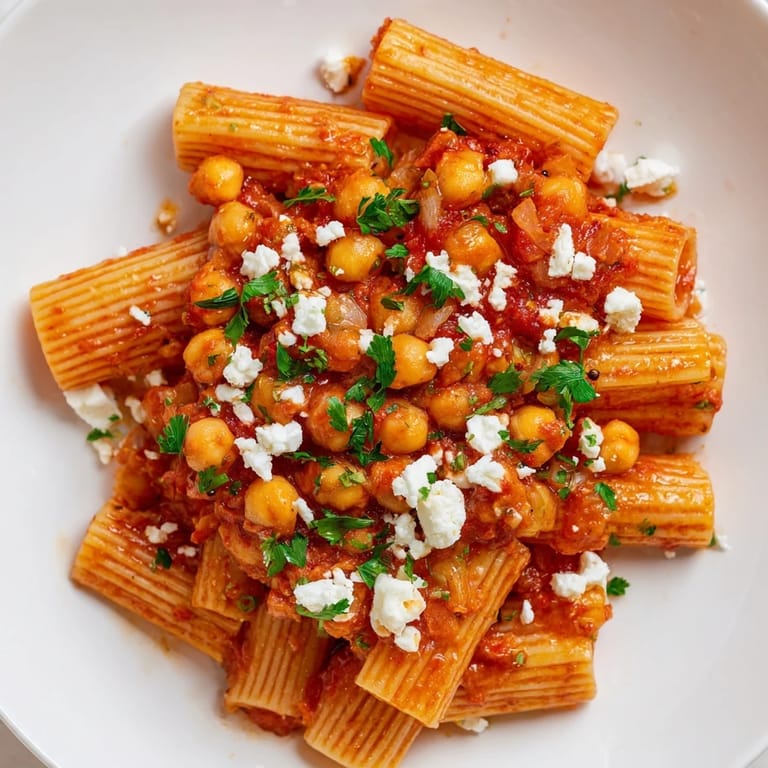
- Dried short pasta (350 g): Penne, rigatoni, or fusilli work beautifully here because they catch and hold the sauce in every curve and ridge.
- Olive oil (2 tbsp): This is your foundation—it carries all the spice flavors that follow, so use something you'd actually taste.
- Medium onion: Chopped fine so it almost dissolves into the sauce and adds sweetness that balances the harissa's heat.
- Garlic cloves (3): Minced, not sliced, so the spices have something tender to cling to when you toast them together.
- Harissa paste (2 tbsp): This is the heart of the dish, but know your brand—some are gentle, some could wake up your entire block.
- Ground cumin (1 tsp): Warm and grounding, it softens the harissa's intensity and makes the whole sauce feel more balanced.
- Smoked paprika (1/2 tsp): Just enough to add depth without announcing itself; it works quietly with the other spices.
- Canned diced tomatoes (400 g): The acidity is crucial—it brightens everything and keeps the sauce from feeling heavy.
- Canned chickpeas (2 cans, drained): Rinsing them matters more than you'd think, it removes the starchy liquid that would make your sauce murky.
- Vegetable broth or water (1/2 cup): Water works fine if you don't have broth, but broth adds a subtle flavor that rounds everything out.
- Lemon: The zest and juice wake up the entire dish at the end, cutting through the richness and making it feel bright.
- Fresh parsley or cilantro (2 tbsp): Choose based on your mood—parsley is classic and subtle, cilantro is bold and slightly peppery.
- Optional feta cheese: Crumbled on top, it adds a salty creaminess that makes this feel a little more indulgent.
Tired of Takeout? 🥡
Get 10 meals you can make faster than delivery arrives. Seriously.
One email. No spam. Unsubscribe anytime.
Instructions
- Get the pasta started:
- Fill a large pot with water, salt it generously until it tastes like the sea, and bring it to a rolling boil. Cook your pasta according to the package timing, but start tasting a minute or two before it says to—you want it soft enough to bite through but with a tiny resistance at the center. When it's there, scoop out half a cup of that starchy water, then drain the pasta and set it aside.
- Build the sauce foundation:
- Pour olive oil into a large skillet and let it warm over medium heat for about a minute. Add your chopped onion and let it sit and soften, stirring every minute or so, until it turns pale and soft and smells sweet—this takes about four to five minutes.
- Toast the spices:
- Add the minced garlic, harissa paste, cumin, and smoked paprika all at once. Stir constantly for just a minute—you'll smell it change as the spices wake up and release their oils into the warm pan. This is the moment the whole kitchen smells like possibility.
- Simmer everything together:
- Add the canned tomatoes, drained chickpeas, and vegetable broth. Stir it all together, then taste and season with salt and pepper. Bring it to a gentle simmer, cover the skillet, and let it bubble softly for ten to twelve minutes, stirring occasionally, until the sauce thickens and the flavors have had time to get to know each other.
- Bring pasta and sauce together:
- Add the cooked pasta to the skillet and toss everything so the sauce coats every piece. If it looks thick or the pasta seems dry, splash in some of that reserved pasta water a little at a time until it moves like something alive.
- Finish with brightness:
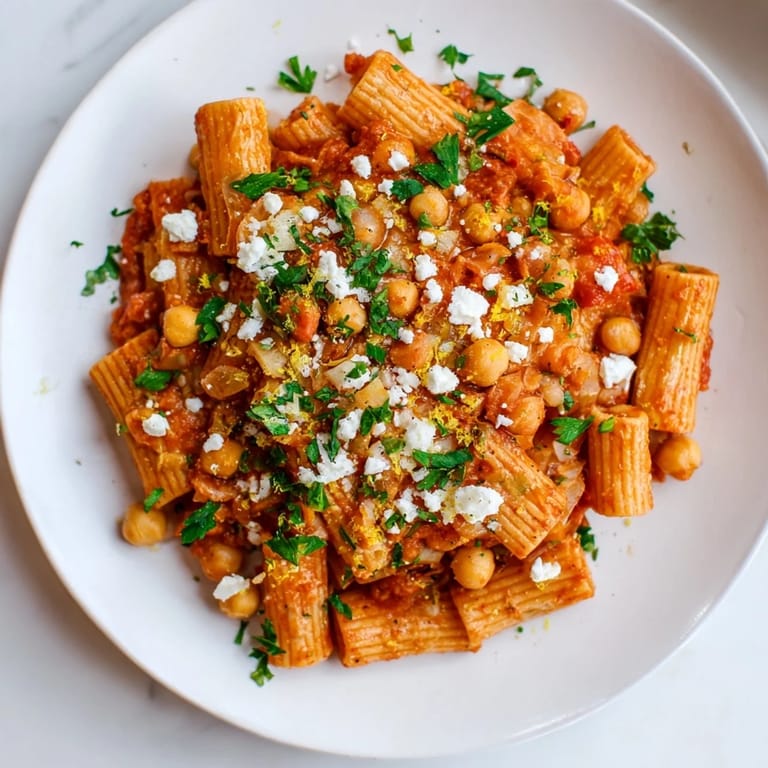
- Remove from heat, then stir in the lemon zest, lemon juice, and fresh herbs. Taste it now—this is when you adjust the salt, pepper, or harissa if you want more heat. It should taste bold and bright and like itself, just more so.
- Serve:
- Transfer to bowls or plates, and scatter more herbs on top if you're feeling generous. If you're using feta, crumble it over now so it gets a little warm and fragrant from the heat of the pasta.
 Save to Pinterest
 I made this for a dinner where everyone arrived tired and skeptical about the menu, and it turned into the kind of meal where nobody rushed, where bowls got refilled without asking, and where someone asked for the recipe before dessert even came out. That's when I knew this wasn't just a weeknight pasta—it was something that could quietly change the mood of an entire evening.
How to Make This Hotter or Milder
The beauty of harissa is that you control the heat. If two tablespoons feels shy, add more harissa or a pinch of fresh chili flakes stirred in with the spices. If harissa intimidates you, start with one tablespoon and taste after the sauce has simmered for a few minutes—you can always build from there. Some people add a pinch of sugar to balance heat, and that works beautifully here too if you find yourself wishing for just a touch more sweetness.
Ways to Make It Your Own
This recipe is forgiving and flexible in the most generous way. Swap the chickpeas for white beans or add roasted red peppers, zucchini, or crispy toasted breadcrumbs for texture. You can fold in fresh spinach right at the end, or top the whole bowl with a handful of toasted nuts for crunch. The core of the dish—the harissa, the tomatoes, the lemon—stays the same, but everything else is an invitation to improvise.
Pairing and Storage
This pasta pairs beautifully with a crisp white wine, a chilled rosé, or even a light beer if that's what's in your fridge. Leftovers keep for three days in a sealed container, and honestly, they taste even better the next day when the flavors have melded overnight. You can reheat gently in a skillet with a splash of water, or eat it cold on a hot afternoon as a kind of spicy pasta salad.
- The reserved pasta water is your safety net—keep it nearby while you're tossing so you can loosen the sauce if it ever looks too thick.
- Make this dish your own by experimenting with different types of harissa or by adding roasted vegetables that you love.
- Remember that this is a dish meant to be tasted and adjusted as you go, so always taste before serving.
 Save to Pinterest
 This is the kind of pasta that tastes like care without requiring expertise, and that's exactly what makes it worth keeping in your rotation. Make it when you want to feed people something good, or make it just for yourself on a Tuesday when the world feels a little heavy.
Recipe Q&A
- → What type of pasta works best?
Short pasta shapes like penne, rigatoni, or fusilli hold the sauce well and provide a pleasing texture.
- → Can I adjust the spice level?
Yes, increase or reduce the amount of harissa paste or add chili flakes to suit your preferred heat level.
- → Is there a recommended cooking method for the sauce?
Sauté the aromatics first, then simmer the chickpeas with tomatoes and spices until the sauce thickens and flavors meld beautifully.
- → What can I use instead of chickpeas?
White beans or roasted vegetables make great alternatives if you want to vary the protein or texture.
- → How should I finish the dish before serving?
Stir in fresh lemon zest, lemon juice, and chopped parsley or cilantro to add brightness and freshness just before serving.