 Save to Pinterest
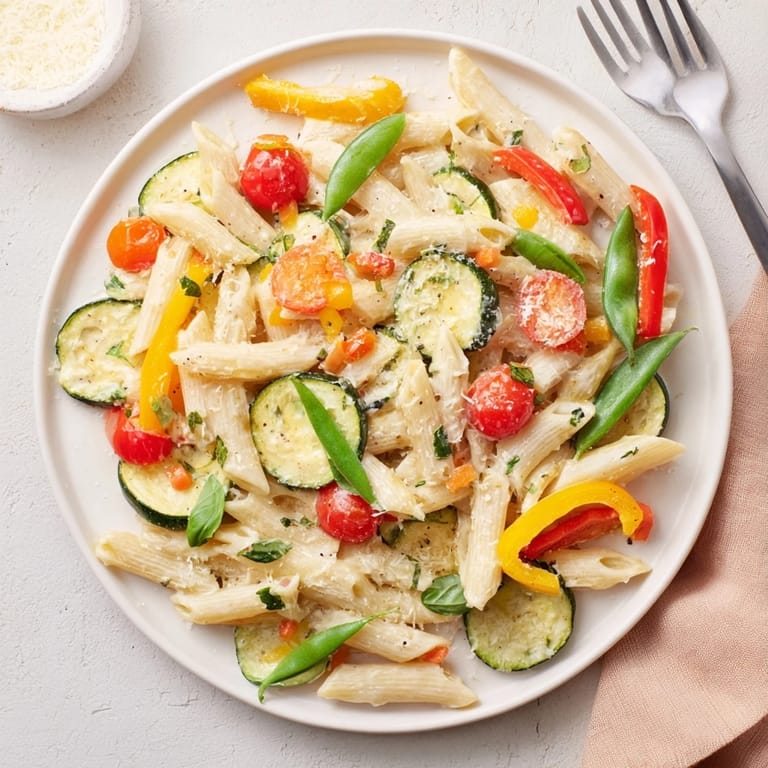
 The aroma of sautéing vegetables filled my kitchen as I perfected this one-pot pasta primavera on a particularly chaotic Tuesday evening. Three deadlines loomed, yet I craved something fresh and homemade rather than takeout again. The single pot concept initially seemed too good to be true, but watching the pasta absorb the vegetable broth while the veggies maintained their vibrant colors convinced me this would become a weeknight staple. Something magical happens when cream meets that starchy pasta water, creating a sauce that clings beautifully to every bite.
Last spring, I served this colorful pasta when my sister visited with her picky-eating children. Watching their suspicious glances transform to delight as they discovered they could actually enjoy vegetables was worth every minute of preparation. My niece, who normally pushes anything green to the side of her plate, asked for seconds and then solemnly informed me that this pasta was better than pizza. My brother-in-law quietly photographed the pot, later texting to ask for the recipe after they returned home.
Ingredients
- Pasta: I prefer penne or fusilli because their shapes capture bits of vegetables and hold onto the creamy sauce in their crevices.
- Cherry tomatoes: Halving rather than quartering them allows them to slowly collapse into little pockets of sweet-acidic brightness throughout the dish.
- Heavy cream: Full-fat cream creates that luxurious mouthfeel that makes this dish special, though I once substituted half-and-half in a pinch and it still turned out beautifully.
- Vegetable broth: The pasta absorbs this flavorful liquid instead of plain water, infusing every bite with savory depth before the cream even enters the picture.
- Fresh basil: Adding it at the very end preserves its aromatic punch that brightens the entire dish and reminds you this isnt just comfort food but a celebration of fresh ingredients.
Tired of Takeout? 🥡
Get 10 meals you can make faster than delivery arrives. Seriously.
One email. No spam. Unsubscribe anytime.
Instructions
- Soften the rainbow:
- Heat that olive oil until it shimmers before adding the garlic and colorful vegetable medley. You should hear a satisfying sizzle as they hit the hot oil, releasing their aromas.
- One-pot magic:
- When you add the pasta, broth, and tomatoes, make sure every piece of pasta is submerged. I like to press down gently with a wooden spoon to ensure nothing stays dry.
- Create the creamy transformation:
- As you stir in the cream and Parmesan, watch how quickly the sauce transforms from brothy to silky. Keep stirring to prevent any sticking to the bottom of the pot.
- Season to perfection:
- Take your time tasting and adjusting the salt and pepper. The Parmesan adds saltiness, so add additional salt gradually.
- Finish with freshness:
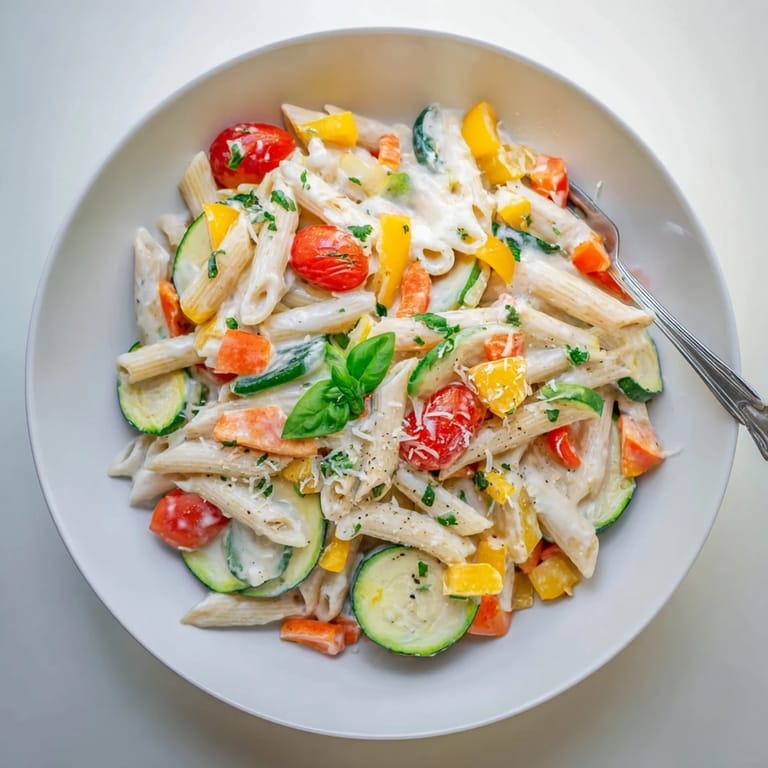
- The moment you stir in that fresh basil, the entire kitchen fills with its sweet, peppery aroma. Notice how the bright green flecks make the whole dish come alive visually.
 Save to Pinterest
 One particularly memorable evening, I prepared this pasta primavera during a power outage, cooking by candlelight on my gas stove. The flickering light made the colorful vegetables look even more vibrant against the creamy sauce. My partner and I ate at our candlelit table, and something about the simplicity of the moment combined with the comforting flavors of this dish turned an inconvenience into one of our favorite dinner memories. Now sometimes we turn the lights off intentionally when I make this pasta, just to recapture that unexpected moment of connection.
Vegetable Variations
This recipe welcomes seasonal adaptation with open arms. In spring, I often swap in tender asparagus tips and fresh English peas. Summer brings opportunities for corn kernels sliced straight from the cob or diced summer squash. Fall inspires me to add cubes of roasted butternut squash or wilted spinach. The key to successful substitutions is maintaining a similar overall volume of vegetables and considering their cooking times, adding quick-cooking veggies like leafy greens at the end while giving heartier options like root vegetables a head start.
Make It Your Own
Though perfectly satisfying as a vegetarian main, this dish transforms beautifully with protein additions. Sautéed shrimp added in the final minutes of cooking brings a sweet seafood element that pairs wonderfully with the vegetables. For meat lovers, browned Italian sausage added with the vegetables creates a heartier version. Plant-based cooks might appreciate adding white beans or chunks of pan-seared tofu. Whatever your preference, limit additional ingredients to about 1-2 cups to maintain the proper sauce-to-solid ratio that makes this dish so special.
Serving Suggestions
This pasta primavera needs little accompaniment, though a simple side salad with a bright vinaigrette provides refreshing contrast to the creamy main dish. On countless evenings, Ive found that crusty garlic bread makes the perfect tool for swiping up any remaining sauce on the plate, ensuring not a drop goes to waste. A chilled Pinot Grigio or Sauvignon Blanc completes the meal, their acidity cutting through the richness of the cream and complementing the vegetable medley.
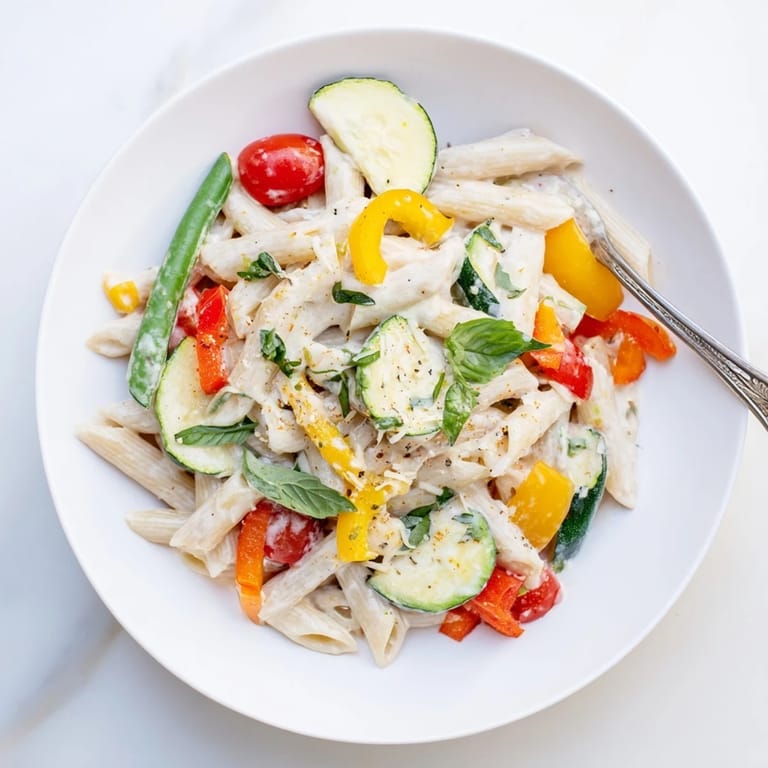
- For a beautiful presentation, serve in shallow bowls rather than plates to contain the sauce properly.
- Keep extra grated Parmesan at the table for cheese lovers who might want an additional sprinkle.
- If serving for guests, consider a small dish of red pepper flakes on the side for those who appreciate a hint of heat.
 Save to Pinterest
 This one-pot wonder has saved countless evenings when time felt too short for a proper home-cooked meal. In its colorful abundance, it reminds us that good food doesnt require complicated techniques or endless washing up, just quality ingredients and a bit of patience.
Recipe Q&A
- → Can I use a different type of pasta?
Yes, penne and fusilli work excellently for trapping the creamy sauce, but you can use any medium pasta shape like rigatoni, farfalle, or shells. Adjust cooking time slightly based on your pasta's thickness.
- → How do I make this vegan?
Replace heavy cream with plant-based cream alternatives like oat or coconut cream, and use nutritional yeast or vegan Parmesan instead of dairy cheese. The cooking method and timing remain the same.
- → What vegetables work best in this dish?
Fast-cooking vegetables are ideal: asparagus, broccoli florets, baby spinach, mushrooms, and green beans all work wonderfully. Add harder vegetables like carrots or potatoes at the beginning for proper tenderness.
- → Can I prepare this ahead of time?
Best served fresh, but leftovers keep refrigerated for 2-3 days. Reheat gently with a splash of vegetable broth or cream to restore the sauce consistency. The pasta may absorb liquid as it sits.
- → How do I prevent the pasta from getting mushy?
Stir occasionally while simmering and check the pasta's doneness starting at 10 minutes. Once al dente with just slight firmness, remove from heat. The pasta continues softening slightly as the sauce thickens.
- → What wine pairs with this dish?
A crisp white wine like Pinot Grigio complements the creamy sauce and fresh vegetables beautifully. The wine's acidity cuts through the richness while enhancing the delicate vegetable flavors.