 Save to Pinterest
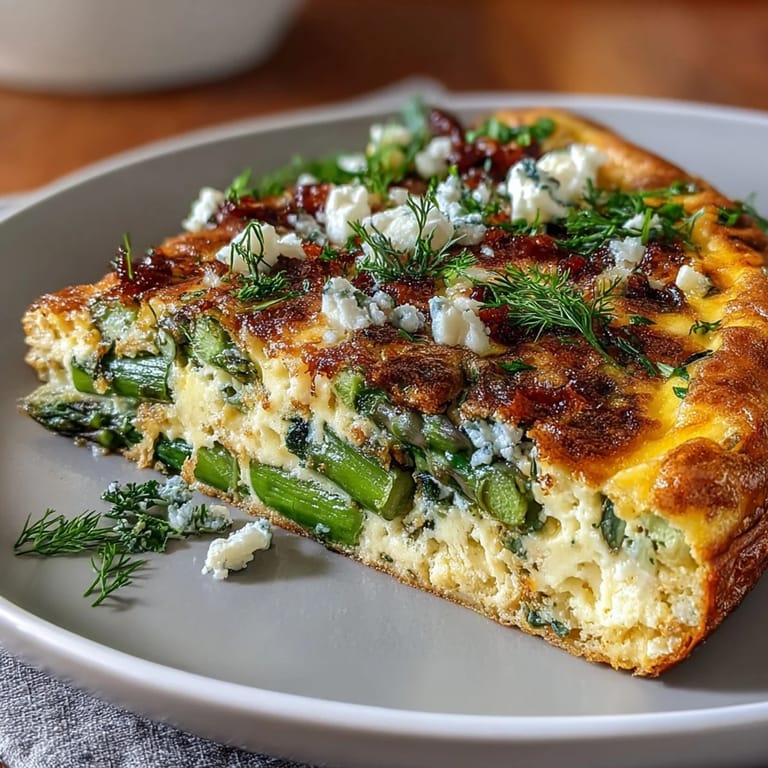
 There's something about a spring morning that makes you crave eggs—lots of them, cooked in a way that feels both indulgent and light. My neighbor stopped by unannounced one April Saturday with fresh asparagus from her garden, and I found myself reaching for eggs before she'd even finished the hello. The frittata came together without thinking, the way the best dishes do, and suddenly brunch became the kind of meal where everyone lingers at the table long after the coffee's gone cold.
I made this for my sister's book club last May, back when everyone was still figuring out how to gather again. She texted me three days later asking for the recipe, which felt like the highest compliment possible—not because the frittata was complicated, but because it tasted like someone had thought about every bite. That's when I realized this recipe works because it doesn't try to be more than it is.
Ingredients
- Asparagus (1 bunch, about 200g, cut into 2cm pieces): Spring's best vegetable—trim the woody ends first, otherwise you'll hit a bite that tastes like the kitchen sponge.
- Red onion (1 small, finely chopped): The sharpness mellows as it cooks, leaving something sweet and almost caramelized that anchors the whole dish.
- Baby spinach (1 cup, roughly chopped): It wilts down to nothing in seconds, so don't be shy with the amount—it becomes a whisper of green.
- Large eggs (6): The backbone here; use room temperature if you remember, but don't stress if you forget.
- Whole milk (1/4 cup): Just enough to make the frittata creamy; too much and it never sets properly.
- Goat cheese (100g, crumbled): This is the ingredient that makes people ask what you did differently—let it stay a little chunky and creamy.
- Grated Parmesan (2 tbsp): Adds a savory depth that somehow makes the goat cheese taste even better.
- Fresh chives (2 tbsp, finely sliced): Slice them just before you use them; they lose their brightness if they sit around.
- Fresh dill (1 tbsp, chopped): Optional, but if you have it, add it—dill with asparagus is a conversation between friends.
- Salt (1/2 tsp) and black pepper (1/4 tsp): Season properly; bland frittata is a sad frittata.
- Red pepper flakes (pinch, optional): A tiny heat that wakes everything up at the end.
- Olive oil (2 tbsp) and unsalted butter (1 tbsp): The oil gets hot first for the vegetables, then butter keeps the bottom from sticking.
Tired of Takeout? 🥡
Get 10 meals you can make faster than delivery arrives. Seriously.
One email. No spam. Unsubscribe anytime.
Instructions
- Heat the oven and gather your people:
- Get your oven to 180°C (350°F) first—it needs time to warm up, and there's no rushing it. Grab your ovenproof skillet and set it beside the stove like you're getting ready for something important.
- Sauté the onion until it softens:
- Heat olive oil in the skillet over medium heat and add the red onion, watching it turn translucent and a little bit sweet around 2–3 minutes. The smell alone is worth the wait.
- Cook the asparagus until it's just tender:
- Add the asparagus pieces and keep stirring every minute or so for 4–5 minutes—you want it tender but still with a tiny bit of bite. It'll go from bright green to a deeper, softer shade, and that's your signal it's ready.
- Wilt the spinach into the mix:
- Throw in the spinach and it'll look like a lot, then in about 1 minute it collapses into almost nothing. Stir it through and notice how the pan suddenly looks full of color.
- Whisk the egg mixture to perfection:
- In a separate bowl, whisk together the eggs, milk, salt, black pepper, and half the chives and dill until everything's pale and slightly frothy. Don't whisk it so hard you're angry at it, just until it looks smooth.
- Bring the temperature down and add the eggs:
- Turn the heat to low, then pour the egg mixture evenly over the vegetables—it should sizzle gently, not aggressively. Dollop the goat cheese on top so it's scattered throughout, then sprinkle the Parmesan.
- Let it cook undisturbed on the stovetop:
- Leave it alone for 4–5 minutes—don't poke it, don't stir it—until you see the edges setting and pulling slightly from the sides of the pan. The center should still jiggle a little when you gently shake the skillet.
- Transfer to the oven and let it finish:
- Slide the skillet into the hot oven and bake for 10–12 minutes until the frittata is just set in the middle and the top is lightly golden. You might hear it sizzle a bit; that's normal and sounds like success.
- Rest and garnish with intention:
- Pull it out and let it sit for 5 minutes—this resting time is when everything sets properly and becomes easier to slice. Scatter the remaining chives and dill on top, maybe a pinch of red pepper flakes if you like heat.
- Slice and serve with generosity:
- Cut it into wedges like you're cutting a pie and serve it warm or at room temperature. Either way, it's perfect.
 Save to Pinterest
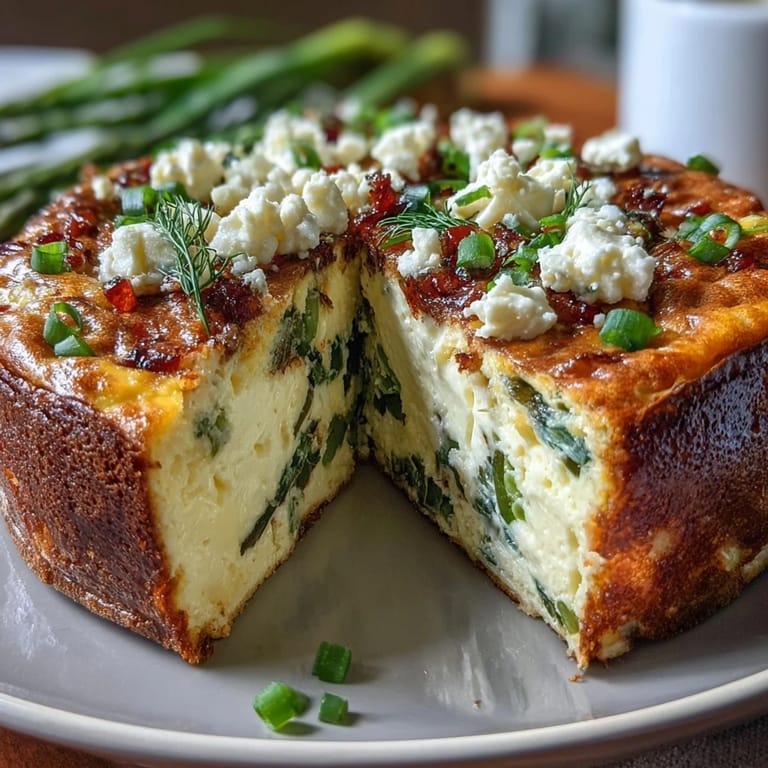
 This dish became something I made whenever I needed to impress someone without exhausting myself—which, if you're being honest, is often. It showed me that elegant food doesn't require exotic ingredients or hours bent over a hot stove; sometimes it's just about paying attention and knowing when to let heat and time do the work.
Why Spring Vegetables Matter Here
Asparagus and spring feel like they belong together, almost like they were meant to be in the same dish. The vegetable is tender in spring because it's new, and that tenderness matters—it means you don't have to fight it, just cook it gently and let it become silky. If you try this in winter with hard, thick asparagus, it changes the whole thing, so timing really is everything.
The Goat Cheese Question
Goat cheese gets a reputation for being fancy, but in this frittata it's honestly just creamy and a little tangy, almost like a secret flavor that people taste and can't quite name. It melts into the eggs without disappearing completely—you still find little pockets of it as you eat. If you're nervous about goat cheese or just don't like it, feta works, or ricotta if you want something milder and almost buttercream soft.
Making It Your Own
The beauty of a frittata is that it's a canvas—you can swap vegetables depending on what's in your fridge or what season you're in. Leeks and peas are natural spring choices, but I've made it with roasted cherry tomatoes in summer and caramelized mushrooms when the weather turned cool. The technique stays exactly the same; you're just changing what you toss into the pan.
- Prep all your vegetables before you start cooking because once the pan is hot, you're moving quickly.
- Don't skip the resting period after it comes out of the oven, even if you're hungry—it makes slicing cleaner and the texture better.
- Serve it with crusty bread and a simple salad, or even just a glass of crisp white wine if brunch is that kind of day.
 Save to Pinterest
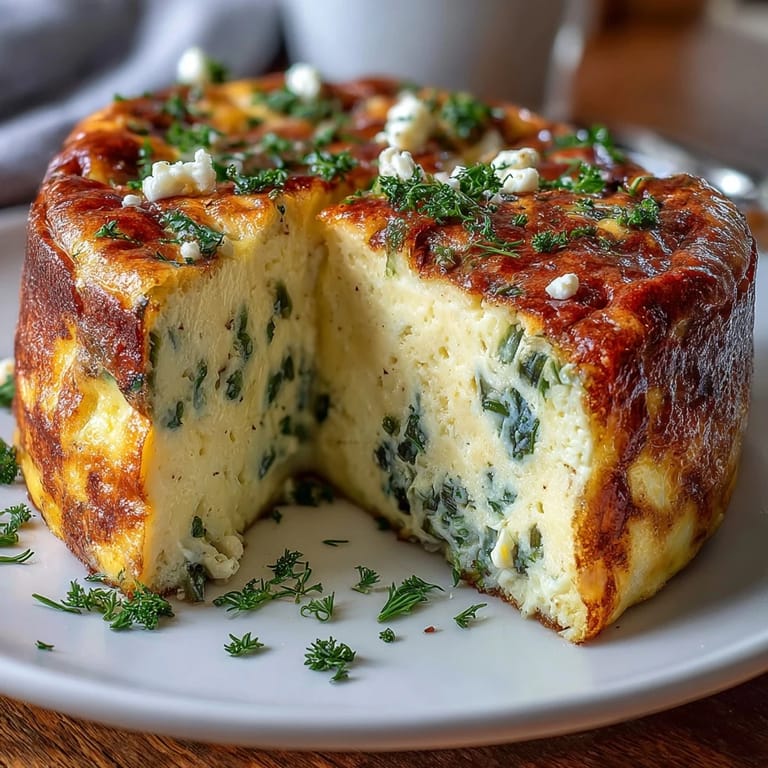
 This frittata has become my answer to the question of what to make when you want to feed people something that tastes thoughtful but doesn't demand you spend all morning in the kitchen. It's proof that some of the best meals come together quietly, without fuss.
Recipe Q&A
- → How do I prevent the frittata from sticking to the pan?
Use a well-seasoned nonstick or cast iron ovenproof skillet and heat olive oil and butter evenly before adding vegetables to create a natural nonstick layer.
- → Can I prepare the frittata ahead of time?
Yes, you can prepare it in advance and reheat gently in the oven or microwave. Let it rest before slicing to maintain texture.
- → What other vegetables can be added to this dish?
Spring vegetables like peas, leeks, or baby zucchini work well and complement the asparagus and spinach flavors.
- → What cheese alternatives can enhance this dish?
Feta or ricotta make excellent substitutes for goat cheese, offering a mild yet tangy flavor variation.
- → How should I store leftovers?
Store leftovers in an airtight container in the refrigerator for up to 3 days. Reheat gently to preserve moisture and texture.