 Save to Pinterest
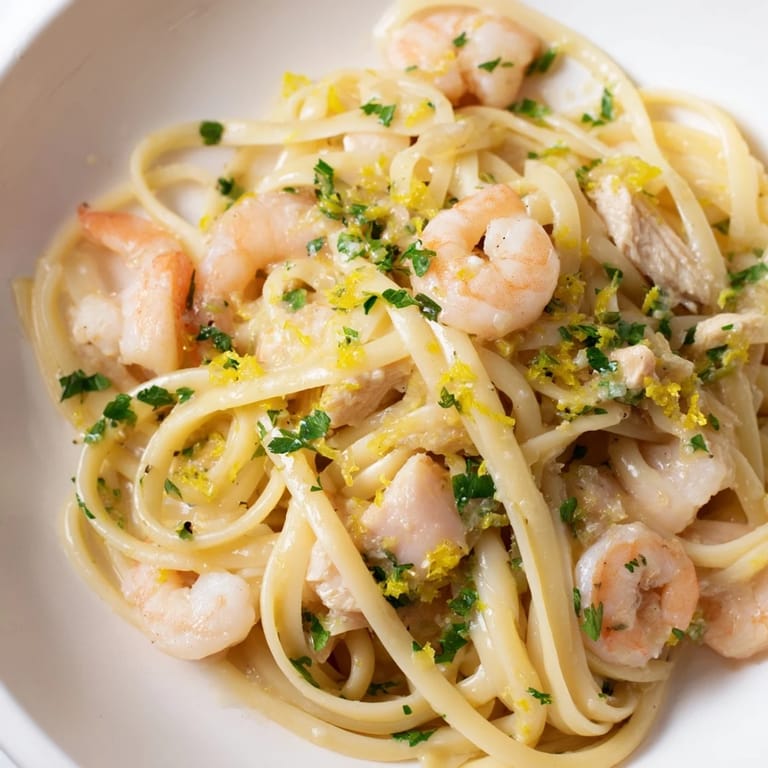
 There was a Thursday evening when I had shrimp thawing and chicken already out, and I stood there wondering why I had to choose. The lemon on the counter caught the last bit of sunlight through the window, and I thought, why not both? That's how this pasta was born—not from a plan, but from refusing to pick a favorite. It turned into one of those meals where everyone went quiet after the first bite, and I knew I'd be making it again and again.
I made this for my sister's birthday last spring, and she still brings it up. She's the kind of person who doesn't usually notice what she's eating, but halfway through her plate she looked up and said, "This is actually restaurant level." I think it was the way the shrimp stayed tender and the chicken soaked up all that lemony garlic butter. We finished two bottles of wine that night, and she took the leftovers home in a container she never returned.
Ingredients
- Large shrimp, peeled and deveined: I always pat them completely dry with paper towels before cooking so they sear instead of steam, and that makes all the difference in texture.
- Boneless, skinless chicken breast, cut into bite-sized pieces: Cutting them small helps them cook evenly and quickly, and they soak up the sauce better than big chunks ever could.
- Linguine or spaghetti: Long pasta works best here because it twirls up with the shrimp and chicken in every bite, but I've used penne in a pinch and it was still great.
- Garlic, minced: Fresh garlic is non-negotiable in this dish, the jarred stuff just doesn't bloom the same way in butter.
- Shallot, finely chopped: It adds a sweeter, more delicate onion flavor that doesn't overpower the lemon, and I learned that after using regular onion once and regretting it.
- Lemon zest and juice: The zest gives you that floral, bright oil, and the juice brings the acidity that balances all the butter.
- Fresh parsley, chopped: This isn't just garnish, it adds a grassy freshness that cuts through the richness right at the end.
- Unsalted butter, divided: I use unsalted so I can control the salt level, especially since the pasta water and broth add their own seasoning.
- Olive oil: It keeps the butter from burning when you're searing the proteins over higher heat.
- Dry white wine: Optional, but it adds a layer of acidity and depth that water or broth alone can't replicate.
- Low-sodium chicken broth: This builds the sauce base without making everything taste like a salt lick.
- Salt, black pepper, and crushed red pepper flakes: Season in layers, taste as you go, and add the red pepper only if you want a gentle back-of-the-throat warmth.
- Lemon wedges and extra parsley for garnish: A squeeze of fresh lemon at the table lets everyone adjust the brightness to their liking.
Tired of Takeout? 🥡
Get 10 meals you can make faster than delivery arrives. Seriously.
One email. No spam. Unsubscribe anytime.
Instructions
- Boil the pasta:
- Get your water boiling with enough salt that it tastes like the sea, then cook the pasta until it still has a little bite in the center. Before you drain it, scoop out half a cup of that starchy water because it's liquid gold for bringing the sauce together later.
- Prep and season the proteins:
- Lay the shrimp and chicken on a clean towel and press gently to remove any moisture, then sprinkle both sides with salt and pepper. Dry protein sears beautifully and wet protein just steams and turns gray.
- Sear the chicken:
- Heat your skillet until it's really hot, add the oil and butter, then lay the chicken pieces in without crowding them. Let them sit undisturbed for a couple minutes so they get a golden crust, then flip and cook until there's no pink left inside.
- Cook the shrimp:
- Add a bit more oil to the same pan and toss in the shrimp, giving them about a minute per side until they curl and turn opaque. Pull them out as soon as they're done because they'll keep cooking from residual heat and you don't want rubber.
- Build the aromatic base:
- Drop the heat to medium, melt the remaining butter, and add your shallot and garlic. Stir constantly and let them soften and perfume the kitchen, but pull them off before they brown or they'll taste bitter.
- Deglaze and simmer:
- Pour in the wine if you're using it and scrape up all those tasty browned bits stuck to the pan, then add the broth, lemon zest, and juice. Let it bubble gently for a couple minutes until it reduces slightly and the flavors marry together.
- Toss everything together:
- Slide the chicken and shrimp back into the skillet along with the drained pasta, and toss everything with tongs until every piece is glossy and coated. If it looks dry, add splashes of that reserved pasta water until it's silky but not soupy.
- Finish and adjust:
- Stir in the parsley and red pepper flakes if you like heat, then taste and add more salt, pepper, or lemon juice as needed. Trust your palate here because every lemon and every broth is a little different.
- Plate and serve:
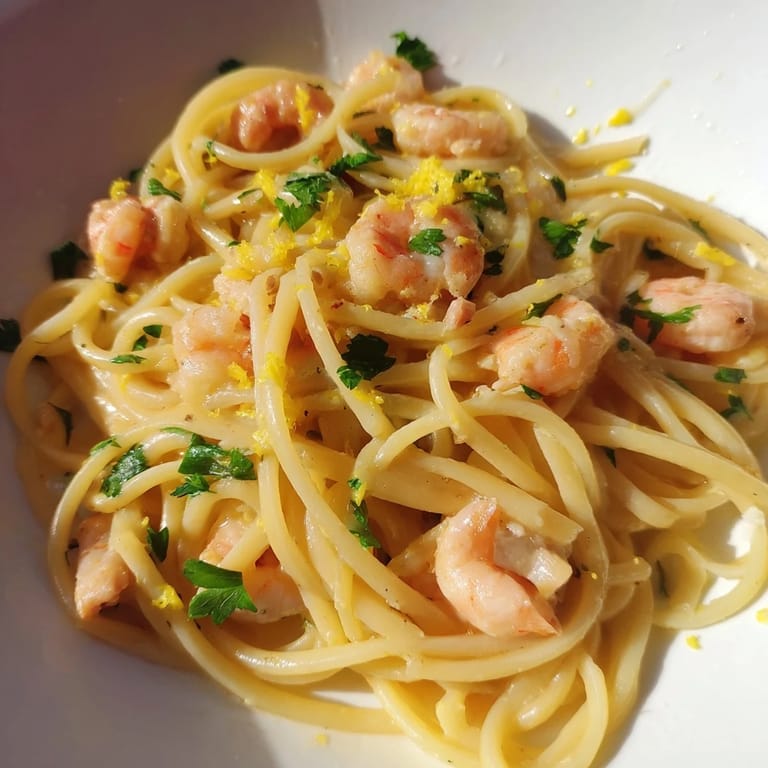
- Twirl the pasta into shallow bowls, making sure everyone gets a good mix of shrimp and chicken, then garnish with lemon wedges and extra parsley. Serve it hot while the butter is still shimmering.
 Save to Pinterest
 This dish has become my go-to when I want to feel like I'm treating myself but don't want to spend an hour in the kitchen. I've made it on regular Tuesdays, on anniversaries, and once when a friend showed up unannounced and I needed to look like I had my life together. Every time, it delivers that same rush of pride when you twirl the first forkful and realize you made something this good with your own hands.
Choosing Your Pasta Shape
Linguine and spaghetti are classic here because they wrap around the shrimp and chicken like they were designed for it, but I've also used fettuccine when that's what I had. Short pastas like penne or rigatoni work if you prefer something you can stab with a fork instead of twirl, though you lose a little bit of that elegant, tangled presentation. The key is cooking it just shy of fully done because it finishes in the sauce and you don't want mush.
Wine Pairing and Substitutions
I almost always use a Sauvignon Blanc or Pinot Grigio in the sauce because their crisp acidity plays so well with lemon, and then I pour the same wine to drink alongside. If you don't want to open a bottle, just skip it and use a little extra chicken broth with a splash more lemon juice to keep that bright balance. Once I used a Chardonnay and it was too buttery and heavy, so stick with something light and zippy if you can.
Making It Your Own
This recipe is forgiving and loves improvisation. I've stirred in a handful of spinach at the end when I needed more green on the plate, and I've added halved cherry tomatoes with the garlic for a pop of sweetness and color. If you want it creamier, a couple tablespoons of heavy cream or even cream cheese melted into the sauce works beautifully without making it feel like a totally different dish.
- Swap the shrimp for scallops if you want something even more luxurious and sweet.
- Add a pinch of smoked paprika with the garlic if you like a subtle smoky undertone.
- Toss in some capers or olives for a briny, Mediterranean twist that's especially good in summer.
 Save to Pinterest
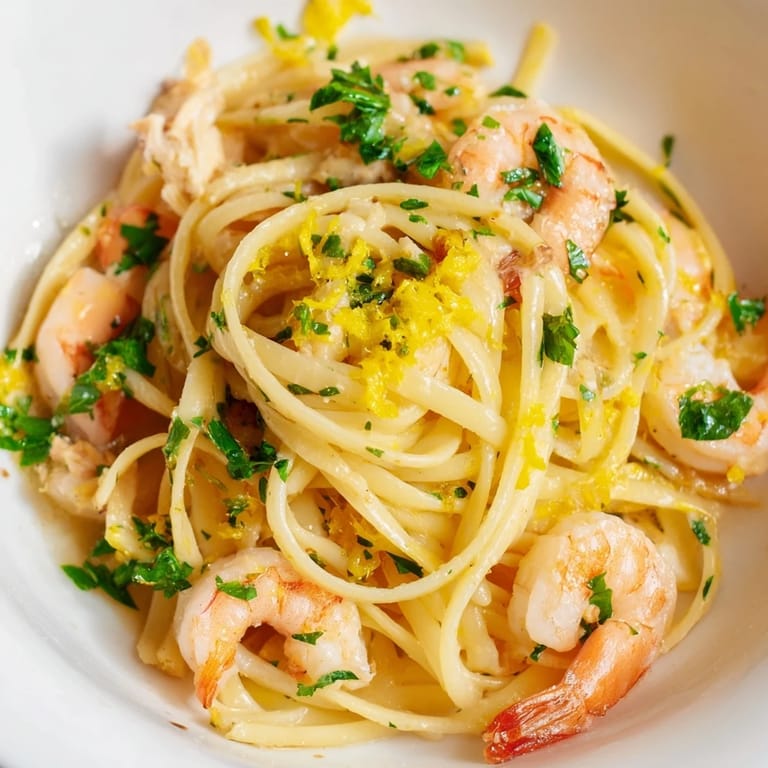
 This is the kind of meal that makes a regular weeknight feel a little special, and it reminds me why I love cooking in the first place. I hope it becomes one of those recipes you reach for when you want something reliable, delicious, and just a little bit impressive.
Recipe Q&A
- → Can I prepare the shrimp and chicken ahead of time?
Yes, you can prep both proteins 4-6 hours in advance. Pat them dry, season, and store separately in the refrigerator. This makes weeknight cooking much faster. Just ensure they're at room temperature for 10 minutes before cooking for even browning.
- → What pasta works best for this dish?
Linguine or spaghetti are ideal as they hold the sauce beautifully. However, fettuccine, pappardelle, or even angel hair work wonderfully. Avoid shapes with too many ridges as they can overpower the delicate sauce.
- → How do I know when the shrimp is perfectly cooked?
Cook shrimp just 1-2 minutes per side until they turn pink and opaque. Overcooked shrimp becomes rubbery and tough. They continue cooking slightly when returned to the warm sauce, so remove them while still barely opaque.
- → Can I make this without white wine?
Absolutely. The wine adds depth but is optional. Skip it and increase the chicken broth slightly, or add a splash of fresh lemon juice for acidity. The dish remains flavorful and delicious either way.
- → What's the best way to get a silkier sauce?
Reserve pasta water generously and add it gradually while tossing. The starch from pasta water emulsifies with the butter to create a luxurious coating. You can also finish with heavy cream or a touch of mascarpone for extra richness.
- → How should I store and reheat leftovers?
Store in an airtight container for up to 2 days. Reheat gently over medium heat with a splash of pasta water or broth to restore the sauce consistency. Avoid high heat as it can toughen the proteins.