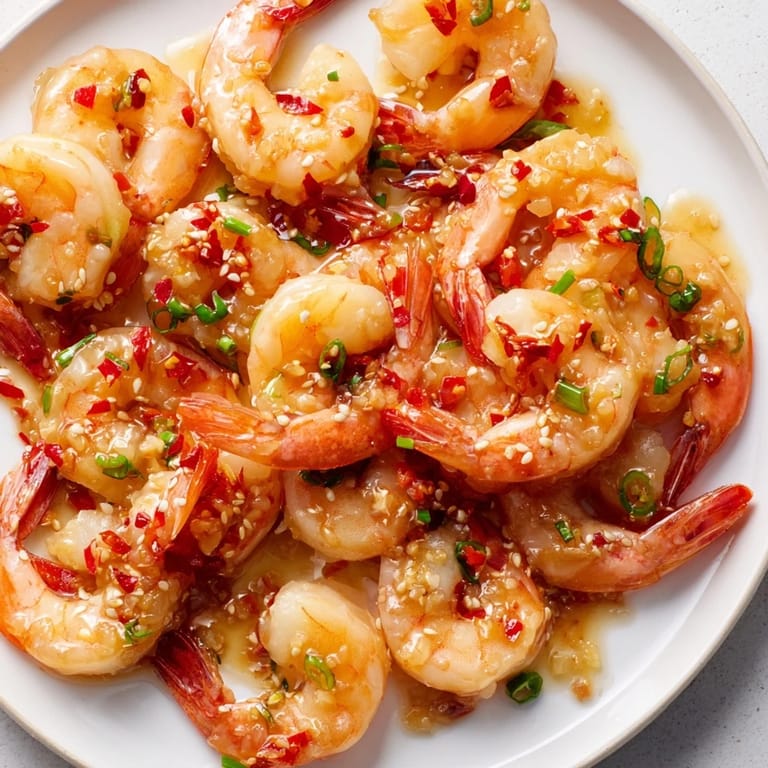
 Save to Pinterest
 There's something about the sizzle of shrimp hitting hot butter that makes the kitchen feel alive. I discovered this dish on a Tuesday night when I had exactly ten minutes and a craving for something bold—the kind of meal that tastes like it took hours but actually unfolds in the time it takes to set the table. The gochugaru transforms everything, turning simple butter into something with real attitude, and somehow it became the recipe I reach for when I want to impress without the stress.
I made this for my neighbor one evening when she stopped by and we both ended up sitting on my kitchen counter with plates balanced on our laps, talking until the food went cold and neither of us cared. She kept asking for the secret, convinced I'd been holding out on her, and I realized it wasn't fancy—it was just paying attention while everything cooked.
Ingredients
- Large shrimp, peeled and deveined (500 g / 1 lb): The size matters more than people think; these cook evenly and turn that perfect pink without turning into little rubber balls.
- Unsalted butter (3 tbsp): You taste it directly here, so use the good stuff and don't skip it for oil.
- Garlic, minced (4 cloves): Mince it fine so it melts into the butter instead of sitting there as chunks.
- Gochugaru, Korean chili flakes (1 tbsp): This is where the personality lives; find it in the Asian section and don't swap it for regular pepper flakes.
- Soy sauce (1 tbsp): Grab the gluten-free version if that matters to you; it tastes the same and no one notices the difference.
- Honey (1 tbsp): Just enough to round out the heat and balance the salt.
- Sesame oil (1 tsp): A tiny amount goes a long way; too much tastes medicinal.
- Scallions, chopped (2 tbsp): Green and bright, they cut through the richness at the end.
- Sesame seeds, toasted (1 tsp): Buy them already toasted; toasting them yourself is one step you don't need right now.
- Lemon wedges (optional): For people who like brightness; others might skip it, and both are right.
Tired of Takeout? 🥡
Get 10 meals you can make faster than delivery arrives. Seriously.
One email. No spam. Unsubscribe anytime.
Instructions
- Dry your shrimp:
- Pat them down with paper towels; any water clinging to them will fight the browning you're after. Set them aside and let them relax for a minute while you gather everything else.
- Melt the butter gently:
- Medium heat is non-negotiable here. Watch the butter go from solid to glossy, then smell it shift slightly—that's when you know it's ready for garlic.
- Bloom the garlic and spices:
- Add the minced garlic and stir constantly for about a minute; you're listening for the sizzle to soften and smelling for that sweetness instead of the sharp raw bite. Then add the gochugaru, soy sauce, honey, and sesame oil all at once, stirring for just 30 seconds so everything gets to know each other.
- Cook the shrimp:
- Lay them flat in the skillet in a single layer and don't touch them for 2 to 3 minutes; you want that side to turn pink and crispy. Flip and repeat on the other side.
- Coat and finish:
- Toss everything together off heat so the shrimp stays tender and the sauce clings. The whole pan should smell like a Korean kitchen at this point.
- Plate with intention:
- Transfer to your serving dish, scatter the scallions and sesame seeds on top while it's still warm, and serve with lemon wedges nearby for anyone who wants a squeeze of brightness.
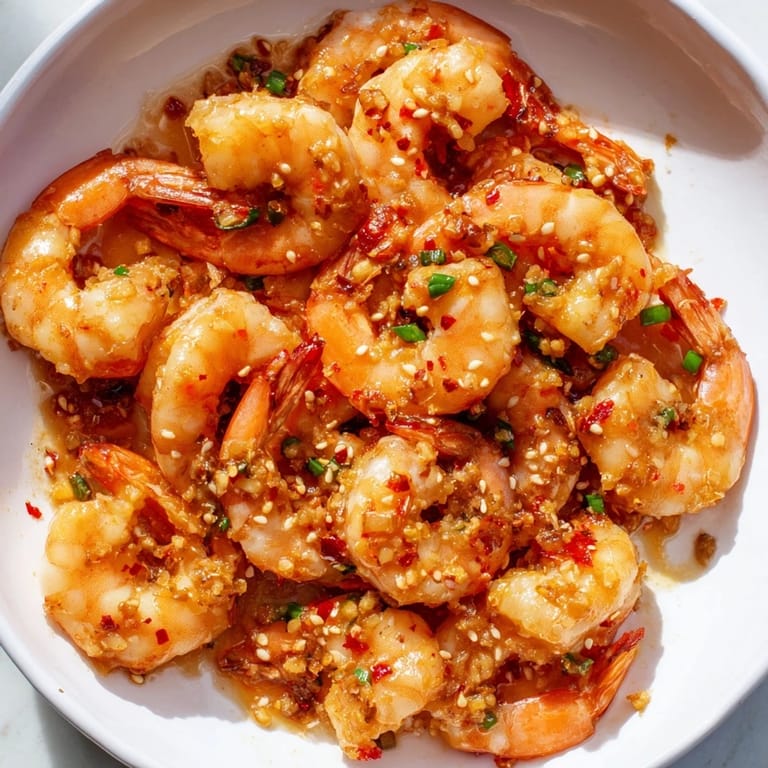 Save to Pinterest
 This became the dish I made on a quiet Sunday morning, knowing friends were coming, and the confidence it gave me in the kitchen surprised us both. There's something about pulling off a recipe this balanced in such a short time that makes you feel like you actually know what you're doing.
Why This Tastes Better Than Takeout
The moment you walk past the sesame oil and gochugaru sitting together, you understand why restaurants charge what they do for this—the combination feels luxe even though you're standing at home with a regular skillet. The spice hits warm instead of aggressive, the butter coats everything, and the garlic is there but never overwhelming. It tastes like someone who knows what they're doing made it for you, which is you, which is the whole point.
Serve It Three Ways
Shrimp this good adapts to whatever mood you're in. Over steamed rice with extra sauce spooned on top, it becomes comfort food with personality. Nestled into soft noodles with a sprinkle of scallions, it transforms into something you could eat standing up without thinking. Or serve it standalone as an appetizer with lemon wedges and watch people reach for it three times before dinner even starts.
The Small Tweaks That Matter
This is a recipe that stays the same and somehow feels different every time depending on what you bring to it. Some nights you'll want more gochugaru because the mood calls for heat, other nights you'll lean on the honey because you're feeling gentler. The beauty is that the base is so balanced that it holds up to both.
- Brown sugar works for honey if that's what you have, though honey dissolves cleaner and blends faster into the warm sauce.
- Dairy-free butter melts just as well if you need it to, and the shrimp doesn't care which butter you use as long as it's hot and ready.
- Wine pairing with something crisp and white makes it feel like dinner instead of just Tuesday night, and sometimes that shift in feeling is what makes food taste better.
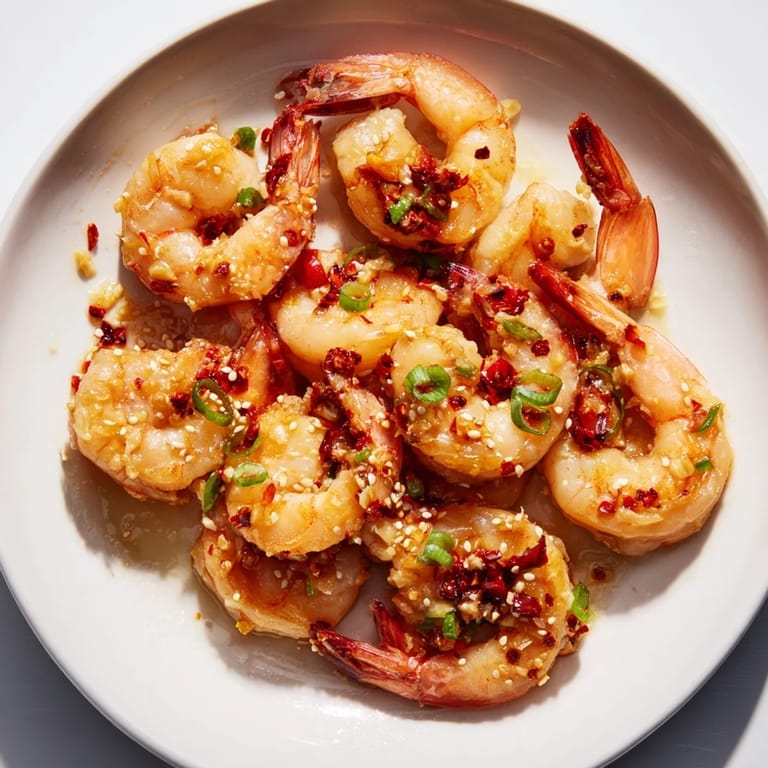 Save to Pinterest
 This recipe taught me that sometimes the best cooking happens when you're not overthinking it, just listening to what the food needs and giving it that. Make it tonight, and it'll probably become the recipe you make again next week without planning.
Recipe Q&A
- → What type of shrimp works best?
Large, peeled, and deveined shrimp are ideal for even cooking and easy preparation.
- → Can I adjust the spiciness level?
Yes, increase or decrease the Korean chili flakes or add red pepper flakes to suit your heat preference.
- → What can I serve this with?
It pairs well with steamed rice, noodles, or a crisp white wine like Sauvignon Blanc.
- → Any alternatives for honey in the sauce?
Brown sugar can be used as a substitute for a similar sweetness and texture.
- → How can I make it dairy-free?
Replace unsalted butter with a dairy-free butter substitute to accommodate lactose intolerance.
- → Is there an allergen to be aware of?
This dish contains shellfish, soy, and dairy, so check for allergies before serving.