 Save to Pinterest
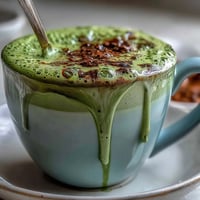
 Last Tuesday morning, my neighbor brought over a small tin of hojicha tea from her recent trip to Kyoto, and honestly, I wasn't sure what to do with it beyond the standard cup of hot water. Then something clicked, and I wondered what would happen if I treated it like the base for a cappuccino instead. The result was so unexpectedly comforting, with this deep toasty warmth that coffee could never quite match, that I've been making it almost every morning since. There's something about the combination of roasted tea and velvety milk foam that feels both indulgent and calm at the same time.
I made this for my partner on a rainy Sunday, and they went completely quiet for a moment after the first sip, which never happens. They just kept saying the smell alone made the whole kitchen feel different, warmer somehow. It's become our weekend ritual now, this little moment where we're not scrolling or rushing, just holding warm cups and talking. That's when I knew this wasn't just a nice drink recipe, it was something worth keeping.
Ingredients
- Hojicha loose-leaf tea (2 teaspoons) or tea bags (2): This roasted Japanese green tea is the soul of the drink, and loose-leaf genuinely tastes more complex than bags, but honestly bags work in a pinch and save you from hunting for a strainer.
- Filtered water (1 cup or 240 ml): It sounds fussy, but tap water can muddy that delicate toasty flavor, so this one detail actually matters more than you'd think.
- Whole milk or oat milk (1 cup or 240 ml): Whole milk froths beautifully and creates that rich cappuccino texture, but oat milk has become my secret weapon for a creamier mouthfeel without dairy.
- Honey, maple syrup, or sugar (1 to 2 teaspoons, optional): I almost never add this because hojicha has its own sweet undertone, but if you're new to the tea, a touch of honey bridges that gap.
Tired of Takeout? 🥡
Get 10 meals you can make faster than delivery arrives. Seriously.
One email. No spam. Unsubscribe anytime.
Instructions
- Brew the hojicha gently:
- Pour your water into a small saucepan and let it reach a gentle simmer, just barely bubbling at the edges. Add your tea leaves or bags and let them steep for three to four minutes, watching as the water transforms into this gorgeous amber color that smells like toasted grain and autumn.
- Steam and froth the milk:
- While the tea is steeping, pour your milk into another saucepan and heat it slowly until it's warm but not boiling, or if you have a frother, use that for the best results. The milk should start to bubble slightly at the edges and smell almost sweet; if you're whisking by hand, tilt the pan and create gentle waves until you see a layer of foam forming on top.
- Assemble your base:
- Strain your brewed hojicha into two cups, splitting it evenly between them. Stir in your sweetener now if you're using it, while the tea is still hot and can dissolve it completely.
- Pour and layer with intention:
- Pour the steamed milk slowly into each cup, holding a spoon just above the surface to catch the foam and let the liquid flow underneath first. This creates that classic cappuccino separation where the tea shows through a window of foam.
- Crown with foam and serve:
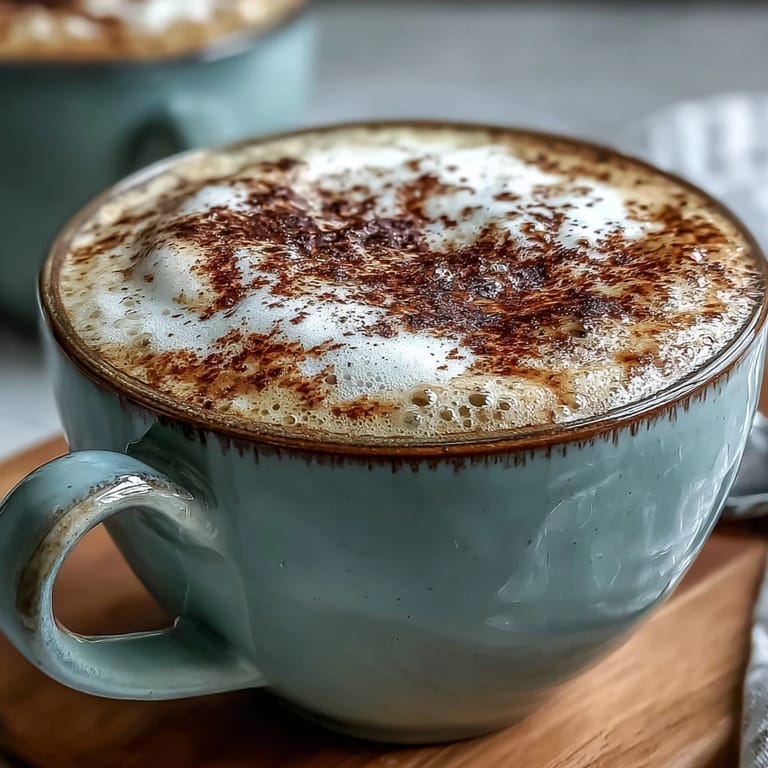
- Spoon that reserved foam generously on top of each cup, and if you're feeling fancy, dust with a pinch of hojicha powder or cinnamon right before serving. Drink it while it's hot and the foam is still sitting on top like a cloud.
 Save to Pinterest
 My coworker tasted this one morning and suddenly started asking questions about Japanese tea culture, which led to a whole conversation about how food and drinks can open doors to places we've never been. That's when I realized this isn't just about replicating a café drink at home, it's about bringing a piece of someone else's world into your own kitchen.
Why Hojicha Changes Everything
Hojicha is roasted after fermentation, which gives it this completely different personality compared to regular green tea. Most people expect green tea to taste bright and grassy, so when they encounter hojicha's warm, almost chocolatey undertones, it's this pleasant surprise that makes them wonder why they didn't know about it sooner. It's lower in caffeine than coffee or regular tea, so you get the comfort of a hot ritual without the afternoon crash or the sleep disruption.
The Milk Foam Secret
The difference between a good cappuccino and a great one lives in that foam layer, and it's not some impossible skill. Heating your milk to around 150 to 155 degrees Fahrenheit, if you have a thermometer, creates the perfect conditions for foam, but honestly, the moment you see it starting to steam and smell almost sweet, you're in the zone. If you don't have a frother, a simple whisk or even a handheld immersion blender works, and I've even seen people use a French press to froth milk in a pinch.
Customizing Your Cup
Once you've made this a few times, you'll start experimenting with variations that feel uniquely yours. Some mornings I steep the hojicha a bit longer for a deeper flavor, or I'll swap in almond milk for a slightly nutty twist that plays beautifully with the tea's own toasted notes. The beauty of this drink is how forgiving it is, how it invites you to tinker without punishing you for trying something new.
- Try a splash of vanilla extract or a pinch of cardamom for aromatic depth.
- Experiment with different milk alternatives like soy or coconut milk to discover your favorite texture.
- Keep a small shaker of hojicha powder or cinnamon by your stove for that final dusting moment.
 Save to Pinterest
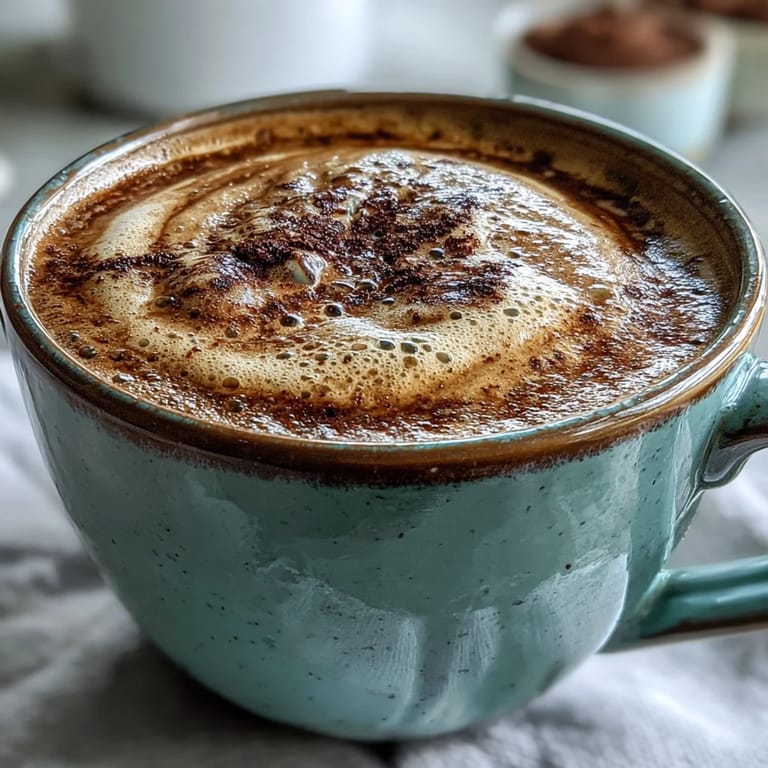
 This hojicha cappuccino has quietly become the reason I look forward to mornings again, which might sound dramatic over a beverage, but honestly, that's what good recipes do. They transform routine moments into something worth savoring.
Recipe Q&A
- → What does hojicha taste like?
Hojicha offers a unique flavor profile with deep toasty, nutty notes and a subtle natural sweetness. The roasting process reduces bitterness, resulting in a smooth, earthy taste that's less astringent than other Japanese green teas.
- → Can I make this dairy-free?
Absolutely. Substitute whole milk with oat, almond, or soy milk. Oat milk froths exceptionally well and provides a creamy texture similar to dairy milk, making it an excellent choice for creating luxurious foam.
- → How do I froth milk without a frother?
Heat milk in a small saucepan until hot but not boiling, then whisk vigorously by hand or use a French press by pumping the plunger up and down rapidly for 30-60 seconds. Both methods create satisfactory foam for your cappuccino.
- → Is hojicha caffeinated?
Yes, hojicha contains caffeine but significantly less than regular green tea or coffee due to the roasting process. One cup typically contains about 20-30mg of caffeine, making it a gentler option for afternoon enjoyment.
- → What pairs well with hojicha cappuccino?
This beverage pairs beautifully with light pastries, buttery cookies, or traditional Japanese sweets like wagashi. The toasty notes complement vanilla flavors, almond treats, and chocolate desserts perfectly.