 Save to Pinterest
 My first hojicha affogato happened on a quiet afternoon when I was experimenting with leftover hojicha tea and a pint of vanilla ice cream sitting in my freezer. I poured the hot tea over the ice cream almost on impulse, watching it melt and swirl into ribbons of cream and caramel-colored liquid, and realized I'd stumbled onto something magical. There's something theatrical about the way the hot tea meets the cold ice cream—it feels less like dessert and more like a small ceremony you get to perform in your own kitchen.
I made this for my neighbor one summer evening when she stopped by with homemade mochi, and we ended up sitting on my porch watching it get dark while we took turns describing what we were tasting. She said it reminded her of a café she visited in Tokyo, and I realized that's the real magic of this dessert—it bridges continents in a glass.
Ingredients
- Vanilla ice cream: Use something you actually love eating on its own, because it's the star here; premium or French vanilla varieties have that richness that stands up beautifully to the bold hojicha.
- Hojicha loose leaf tea: This roasted green tea is where all the character comes from—if you can only find bags, that works too, but loose leaf steeps more evenly and gives you better control over strength.
- Water: Start with one cup; you can always brew more if you want a second serving.
- Toasted sesame seeds: They add this subtle nuttiness and a little textural surprise that makes each spoonful feel intentional.
- Crushed roasted nuts: Almonds or pecans work equally well, and they're optional but genuinely worth the extra thirty seconds of prep.
- Sweetened red bean paste: This is for when you want to lean fully into the Japanese-inspired side of things; a small dollop melts into the ice cream and adds earthy sweetness.
Tired of Takeout? 🥡
Get 10 meals you can make faster than delivery arrives. Seriously.
One email. No spam. Unsubscribe anytime.
Instructions
- Heat your water to the right temperature:
- Bring the water to a boil, then let it cool for about a minute—this matters because boiling water can make hojicha taste slightly bitter, and you want that toasted, almost caramel-like warmth instead. Use a kettle so you can hear when it's ready.
- Steep the hojicha with patience:
- Pour the cooled water over your tea leaves or bags and let it sit for two to three minutes, watching as the liquid transforms into that rich amber-brown color. If you're using loose leaf, this is the moment to get your strainer ready so you can pour smoothly.
- Scoop your ice cream into waiting glasses:
- Use a sturdy scoop and press down slightly into the ice cream to get a generous portion; one large scoop per glass is the sweet spot. Place your glasses on the counter where you're about to pour the tea so you don't waste heat or drama.
- Pour the hojicha over the ice cream with intention:
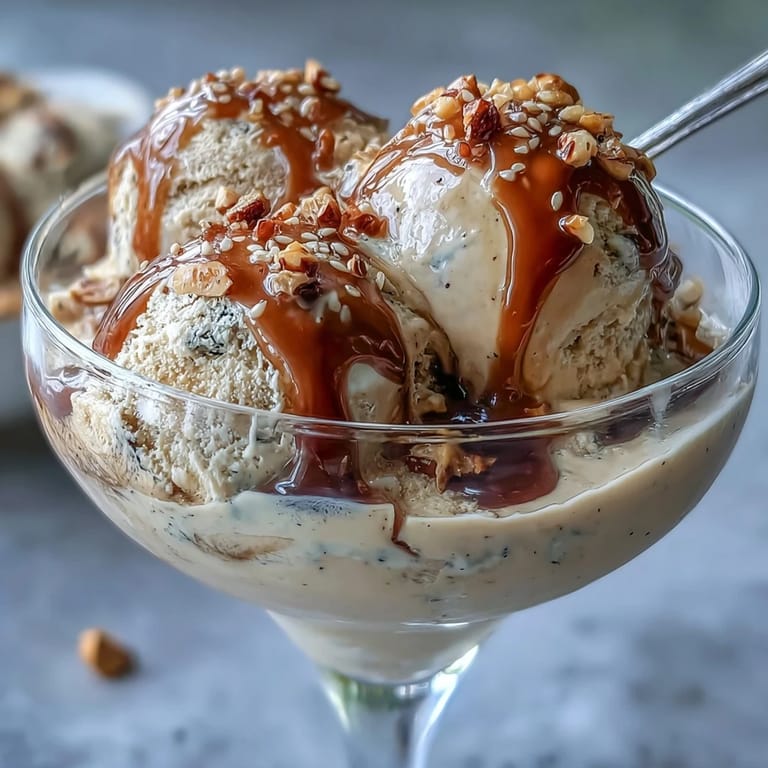
- Pour steadily and watch as the hot tea melts into the cold ice cream, creating these beautiful swirls of cream and tea. This is the moment where it stops being ingredients and becomes an experience.
- Top and serve immediately:
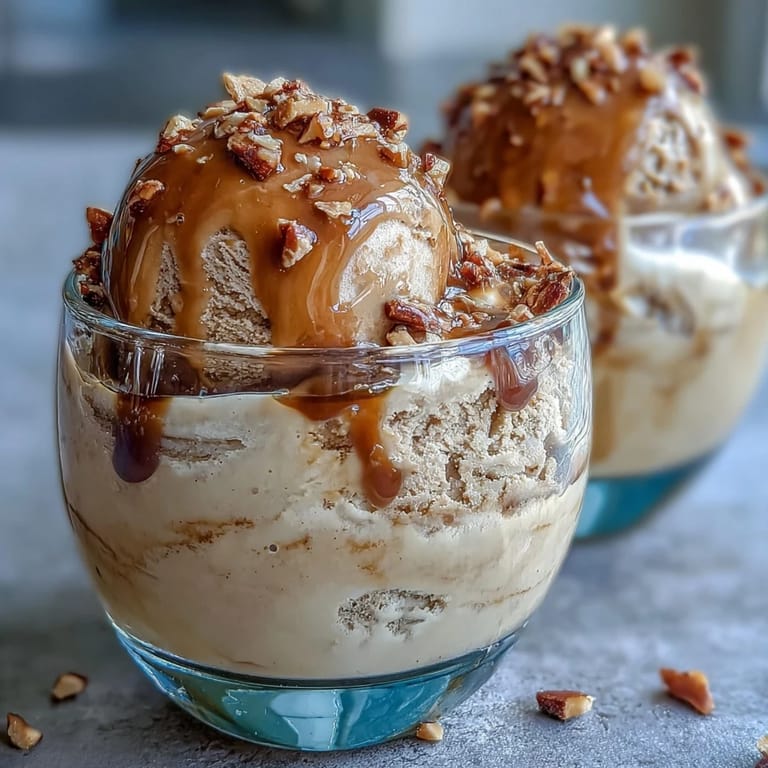
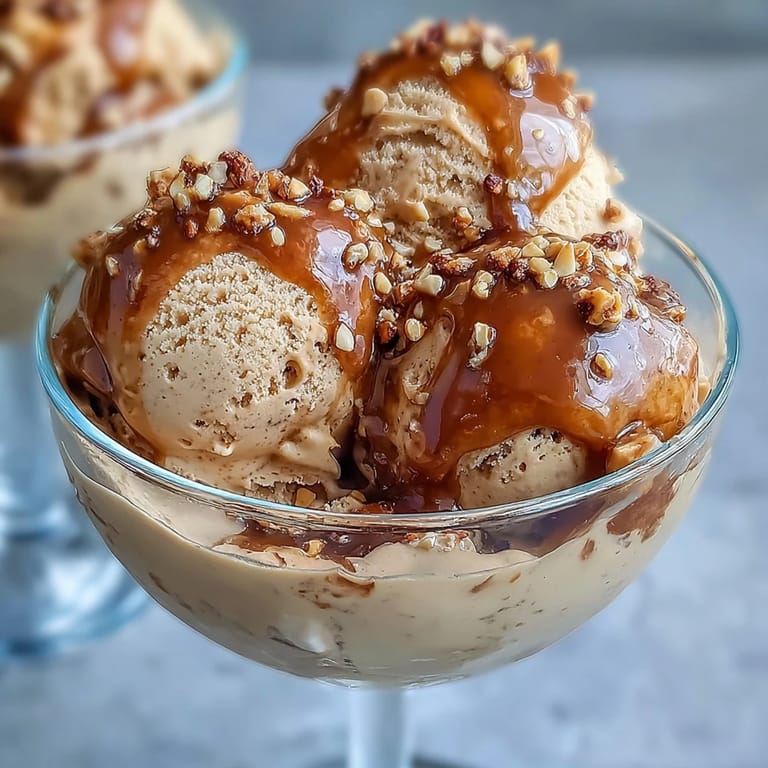
- Scatter your chosen toppings over the top and hand it over right away, before the ice cream disappears entirely into the tea. Serve with a spoon so people can eat the melted cream and drink the sweet, roasted tea.
 Save to Pinterest
 There was this moment when my partner took a sip and closed their eyes, and I realized this simple five-minute dessert had somehow become the thing they asked me to make when they'd had a long day. That's when I knew it had become more than just a recipe—it was now a small ritual we shared.
The Magic of the Contrast
The entire concept here rests on the collision between temperatures and textures: the way heat melts cold, how a roasted tea's deep flavor plays against vanilla's gentle sweetness, and the moment when a spoonful of ice cream mingles with hot liquid into something velvety and new. Once you understand this, you start seeing endless variations in your head, which is exactly the point.
Hojicha: The Star Ingredient
Hojicha tea gets roasted after being dried, which gives it this toasted, almost caramel-forward flavor that feels warm even before it touches your lips. It's less grassy than regular green tea and more approachable, which is why it works so beautifully in this dessert context—it doesn't fight the ice cream, it enhances it. Finding a good quality hojicha makes an enormous difference; look for brands that emphasize the roasting process or buy from shops that specialize in Japanese tea.
Making It Your Own
This recipe is deceptively flexible once you understand the core structure, and I've discovered half a dozen variations by simply changing what I had on hand. The important thing is keeping the basic formula: creamy base, hot tea, toppings that matter to you. Some personal touches that have worked beautifully include adding a tiny pinch of sea salt to the ice cream before pouring, drizzling honey under the ice cream scoop for extra sweetness, or swapping in matcha for a green tea version if you want something brighter.
- A small drizzle of honey or maple syrup makes the whole thing feel slightly more decadent without overpowering the hojicha.
- Sesame seeds add an almost savory note that balances the sweetness perfectly if you're looking to make it feel more sophisticated.
- Keep everything within arm's reach when you're about to pour—the performance is half the enjoyment, so don't rush it.
 Save to Pinterest
 This dessert reminds me why I love cooking—it's not about complexity, it's about understanding a simple principle and executing it with care. Make this when you want to feel like you've created something special in ten minutes flat.
Recipe Q&A
- → What makes hojicha different from regular green tea?
Hojicha is roasted green tea that has a deep, nutty flavor with lower caffeine content than other green teas. The roasting process gives it a reddish-brown color and toasty notes that pair beautifully with creamy vanilla ice cream.
- → Can I make this dessert ahead of time?
For the best experience, prepare this dessert just before serving. The contrast between hot tea and cold ice cream creates the signature affogato experience. You can brew the tea in advance and reheat it when ready to serve.
- → What are traditional toppings for hojicha affogato?
Popular toppings include toasted sesame seeds for nutty crunch, crushed roasted nuts like almonds or pecans, sweetened red bean paste for authentic Japanese flavor, or a dusting of matcha powder for a green tea variation.
- → How do I adjust the sweetness level?
Add honey, maple syrup, or condensed milk over the ice cream before pouring the tea. You can also choose a sweeter ice cream variety or adjust the tea steeping time—longer steeping creates a more robust, less sweet flavor profile.
- → Is this suitable for dietary restrictions?
This dessert is vegetarian-friendly. For vegan options, use plant-based vanilla ice cream. Ensure toppings are nut-free if needed. The natural dairy-free version remains delicious and creamy.
- → What pairs well with hojicha affogato?
Serve with almond biscotti, Japanese cookies, or mochi for added texture. The dessert also pairs beautifully with light sponge cakes or can be enjoyed alone as a sophisticated ending to a Japanese-inspired meal.