 Save to Pinterest
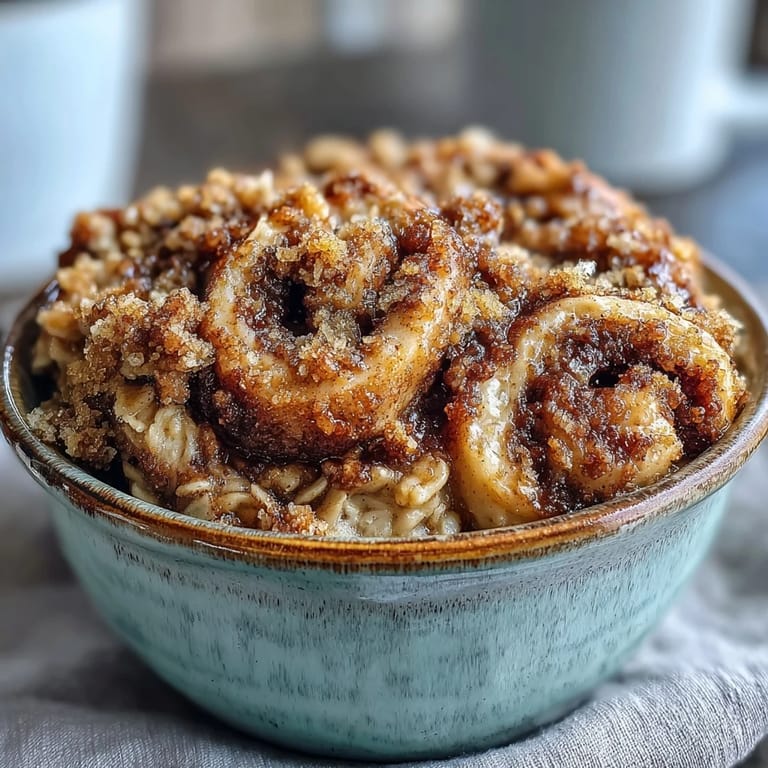
 There's something about the smell of cinnamon hitting a hot oven that just makes everything feel slower and more intentional. I stumbled onto this recipe on a Wednesday morning when I was tired of the same protein shake routine but didn't have time for elaborate cooking. What emerged was this hybrid thing—part baked oatmeal, part coffee cake, entirely too good to keep to myself. It's become my go-to when I actually want breakfast to feel like breakfast, not just fuel.
I made this for my sister's family one weekend and watched my nephew ask for seconds, which basically never happens with anything I cook. That's when I knew it wasn't just convenient—it actually tasted like something people genuinely want to eat. Now it's part of our Sunday routine, portioned into containers so everyone grabs it without thinking.
Ingredients
- Rolled oats: The foundation that keeps everything tender when blended; don't use instant or it turns into paste.
- Low-fat cottage cheese or Greek yogurt: This is where the protein magic happens, and it creates a custard-like crumb that holds together beautifully.
- Large eggs: They bind everything and add structure without making it feel heavy or dense.
- Vanilla protein powder: One scoop is all you need; more than that and it tastes overtly powdery instead of subtle.
- Unsweetened almond milk: Keeps the moisture level perfect without adding unnecessary sweetness that competes with the cinnamon.
- Maple syrup or honey: Just enough to enhance without dominating; about two tablespoons is the sweet spot.
- Vanilla extract: A teaspoon rounds out the flavor in a way that feels professional, not homemade-tasting.
- Baking powder and salt: Essential for lift and to prevent the whole thing from tasting flat.
- Coconut sugar: Has a deeper, less harsh sweetness than regular sugar, especially important in the cinnamon swirl.
- Ground cinnamon: Quality matters here; fresh cinnamon makes a noticeable difference in the final flavor.
- Almond flour: Creates that delicate, sandy crumble topping instead of a dense, cake-like layer.
- Melted butter or coconut oil: Brings everything together in the topping; don't skip this or it stays dry and separated.
Tired of Takeout? 🥡
Get 10 meals you can make faster than delivery arrives. Seriously.
One email. No spam. Unsubscribe anytime.
Instructions
- Set up your oven and dish:
- Preheat to 350°F and grease an 8x8-inch baking dish with a little butter or cooking spray. You want it ready to go so the batter doesn't sit around getting oxidized.
- Blend the oat base:
- Combine all your base ingredients in a blender and pulse until mostly smooth with tiny oat pieces still visible. Over-blending makes it gluey; under-blending leaves chunks that don't cook through evenly.
- Layer the first half:
- Pour exactly half the batter into your prepared dish and spread it gently with a spatula. This even base is what keeps the layers distinct and the texture interesting.
- Add the cinnamon swirl:
- Mix coconut sugar and cinnamon in a small bowl, then sprinkle half of this mixture over the batter. It'll look like just a dusting, but trust the process—it concentrates as it bakes.
- Top with remaining batter:
- Pour the rest of the oat mixture on top and smooth it out gently. Some of the cinnamon will peek through, which is exactly what you want.
- Sprinkle the rest of the swirl:
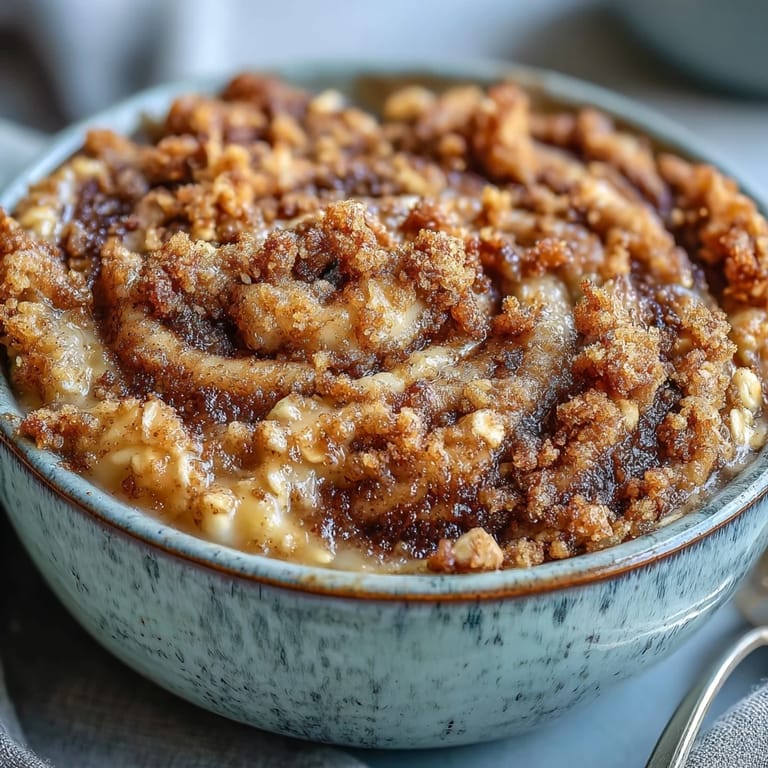
- Use all the remaining cinnamon sugar on top of the second batter layer. This creates those gorgeous ribbons you'll see when you slice it.
- Make the crumble topping:
- In a clean bowl, combine oats, almond flour, sugar, melted butter, cinnamon, and salt. Mix with your fingers until it looks like damp breadcrumbs—clumpy, not powdery.
- Crown it:
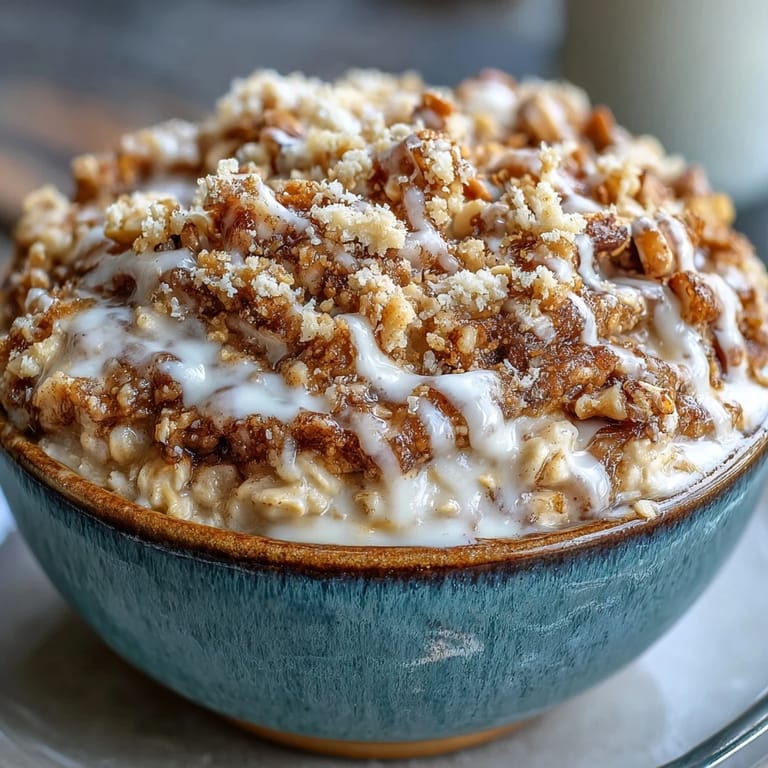
- Distribute the crumble evenly over the top. Even coverage means every bite gets that satisfying crunch against the tender cake underneath.
- Bake to golden:
- Slide it into the oven for 28 to 32 minutes. The center should look set when you give the dish a gentle shake, and the top should be golden brown with the edges slightly darker.
- Cool and serve:
- Let it sit for a few minutes before slicing so it holds together. Serve warm, at room temperature, or even cold—it's genuinely good in every state.
 Save to Pinterest
 What surprised me most was how this became more than breakfast—it turned into a excuse to sit down for ten minutes instead of rushing. There's something about a slice of this with coffee and a quiet kitchen before everyone else wakes up that feels like a small act of kindness to yourself.
Make-Ahead and Storage
This cake actually improves when refrigerated, which is rare and wonderful. The flavors deepen, and the crumb becomes more cohesive overnight. I portion it into four servings and keep them in a sealed container in the fridge for up to five days; you can also wrap the whole cake tightly and freeze it for up to two weeks, then thaw in the fridge and reheat gently if you want it warm.
Ingredient Swaps That Actually Work
The beautiful thing about this recipe is how forgiving it is with substitutions. I've swapped the cottage cheese for Greek yogurt and honestly preferred the tangier flavor, and I've used all-purpose flour in place of almond flour when I was out, which makes the topping slightly less delicate but still excellent. If you're avoiding honey or maple syrup, agave works, though you might need to reduce it slightly since it's sweeter. The almond milk can be any unsweetened milk you have—oat milk makes it earthier, regular dairy milk makes it richer.
Elevating It Further
I've learned that the smallest additions completely shift how special this feels. A handful of chopped pecans mixed into the crumble topping adds textural contrast and richness, and a scoop of collagen peptides blended into the base bumps the protein even higher without changing the flavor. Fresh berries served alongside or stirred in at the last second add brightness, and a light drizzle of honey or a dollop of Greek yogurt on top transforms it from weekday breakfast into something you'd serve to guests without apology.
- Try adding chopped nuts or seeds to the crumble topping for extra texture and nutrition.
- A pinch of nutmeg mixed with the cinnamon swirl adds subtle depth that most people can't quite name.
- Serve with berries, Greek yogurt, or a drizzle of honey to make it feel more intentional than just another meal.
 Save to Pinterest
 This recipe proves that breakfast doesn't have to be complicated to feel special, and that sometimes the best discoveries come from just trying to solve a boring problem. Make it once and you'll understand why it's become my default reach-for.
Recipe Q&A
- → Can I make these oats gluten-free?
Absolutely. Simply swap regular rolled oats for certified gluten-free oats and use a gluten-free flour blend in the crumble topping. The texture and flavor remain just as delicious.
- → How should I store leftovers?
Store cooled portions in an airtight container in the refrigerator for up to 5 days. Reheat individual servings in the microwave for 30-45 seconds until warm. The crumble topping stays surprisingly crisp.
- → Can I freeze these baked oats?
Yes, they freeze beautifully. Cut into individual squares, wrap tightly in plastic and foil, then freeze for up to 3 months. Thaw overnight in the refrigerator or reheat from frozen in the microwave.
- → What protein powder works best?
Vanilla whey or casein protein powder blends smoothly and adds sweetness. Plant-based vanilla protein also works well, though the texture may be slightly denser. Avoid unflavored varieties as they won't provide enough sweetness.
- → Can I substitute the cottage cheese?
Greek yogurt makes an excellent substitute with a tangier flavor profile. For a dairy-free version, use unsweetened coconut yogurt blended with a tablespoon of silken tofu to maintain the creamy texture.
- → Why do I need a blender?
Blending the oats creates a smoother, more cohesive batter while still maintaining some texture. It helps break down the cottage cheese curds and evenly distributes the protein powder for consistent results.