 Save to Pinterest
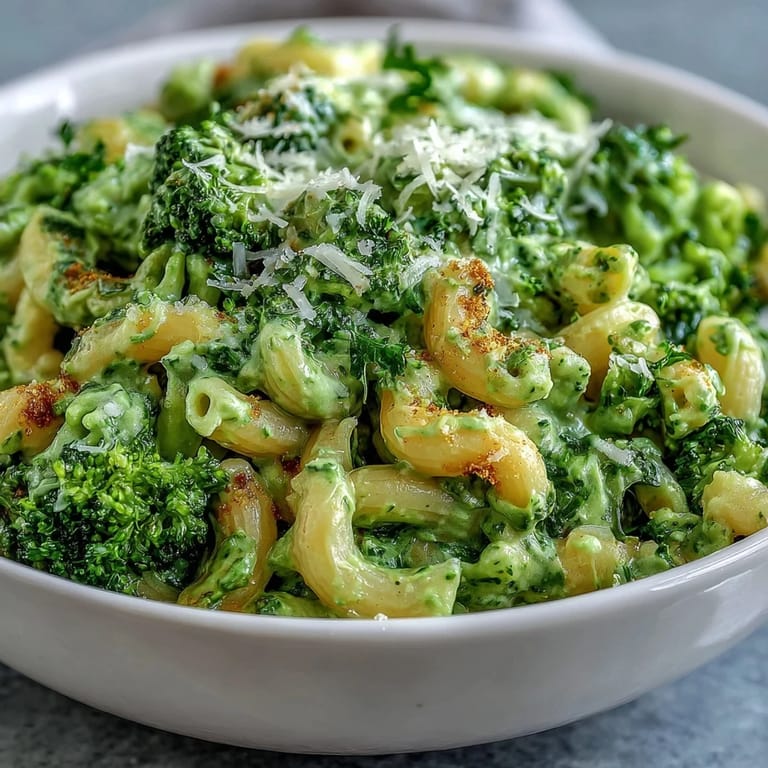
 My sister called me on a Tuesday afternoon asking if I could make something green for her kids' dinner—something they'd actually eat without complaints. I stood in my kitchen holding a box of pasta, thinking about how mac and cheese was supposed to be the ultimate comfort food, but what if we could sneak in something better for them? That's when I started experimenting with blending spinach right into the sauce, and honestly, the bright green color won them over before they even tasted it. Now this creamy, cheesy pasta with hidden vegetables has become my go-to when I want to feel like I'm actually feeding people real food.
I made this for a potluck once and brought it in a ceramic dish, worried it might look too strange compared to everyone else's normal casseroles. When people started asking for the recipe and mentioning how their kids asked for seconds, I realized this wasn't just sneaky vegetable trickery—it was genuinely delicious comfort food that happened to be better for you. That moment shifted how I think about cooking for others.
Ingredients
- Elbow macaroni or short pasta (340 g / 12 oz): The small shape holds sauce beautifully, and cooking it just until al dente keeps it from turning mushy when combined with the cheese sauce.
- Fresh spinach (200 g / 7 oz): Wilting it first removes excess moisture, which is the key to a sauce that stays creamy instead of watery.
- Broccoli florets (200 g / 7 oz): Adding these in the pasta water during the last two minutes means they're tender but still bright green when they hit your plate.
- Small onion, finely chopped: This becomes the flavor foundation, so don't skip this step even though it seems simple.
- Garlic (2 cloves, minced): One minute in the butter is enough—any longer and it turns bitter and overpowers the delicate cheese.
- Unsalted butter (2 tbsp): Using unsalted lets you control the salt level and keeps the sauce tasting fresh rather than heavy.
- All-purpose flour (2 tbsp): This creates the roux that thickens your sauce; whisking constantly prevents lumps that can ruin the whole texture.
- Whole milk (500 ml / 2 cups): Whole milk gives you that luxurious mouthfeel that makes this feel like real comfort food.
- Sharp cheddar cheese (120 g / 1 cup shredded): Sharp cheddar brings actual flavor depth instead of the bland taste you get from mild varieties.
- Parmesan cheese (60 g / ½ cup grated): This adds a subtle nutty note that lifts the entire dish without making it taste obviously cheesy.
- Mozzarella cheese (60 g / ½ cup shredded): Mozzarella keeps the sauce creamy and prevents it from becoming grainy as it cools.
- Salt and black pepper: Taste as you go—cheese is salty, so you'll need less than you think.
- Ground nutmeg (⅛ tsp, optional but encouraged): A whisper of nutmeg transforms cheese sauce from ordinary to restaurant-quality.
- Dijon mustard (1 tsp, optional): This enhances the cheese flavor without making anything taste mustardy, I promise.
- Fresh parsley and extra Parmesan for garnish: These finishing touches make it look intentional and taste brighter.
Tired of Takeout? 🥡
Get 10 meals you can make faster than delivery arrives. Seriously.
One email. No spam. Unsubscribe anytime.
Instructions
- Set your water boiling and cook the pasta:
- Fill a large pot with salted water and bring it to a rolling boil—you want it aggressively bubbling before the pasta goes in. Cook the macaroni according to package directions, and in the final two minutes, add your broccoli florets so they cook just enough to be tender but still hold their bright green color.
- Wilt the spinach while everything else cooks:
- Heat your large skillet over medium heat and add the spinach all at once—it'll seem like too much, but it wilts down dramatically. Stir it for about two minutes until it's completely soft and dark green, then transfer it to your blender.
- Build your flavor base with onions and garlic:
- In the same skillet you used for spinach, melt your butter over medium heat. Add the chopped onion and let it cook slowly for three to four minutes until it's soft and translucent, then add your minced garlic and cook for just one more minute until fragrant.
- Make your roux and create the sauce base:
- Sprinkle the flour over your onion mixture and stir constantly for one minute to cook out the raw flour taste. Now add the milk slowly while whisking constantly—this is where patience matters because you're trying to avoid any lumps that could hide in your finished sauce.
- Simmer until the sauce thickens:
- Keep stirring frequently and let the sauce come to a gentle simmer, which takes about four to five minutes. You'll see it gradually thicken and coat the back of a spoon, which is your signal that the flour has done its job.
- Add the cheese blend and seasonings:
- Remove the skillet from heat and add your cheddar, mozzarella, Parmesan, salt, pepper, nutmeg, and mustard all at once. Stir gently until every piece of cheese has melted into a smooth, glossy sauce—if you stir too vigorously you can break the emulsion.
- Blend half the sauce with spinach:
- Pour half of your beautiful cheese sauce into the blender with the wilted spinach and blend until it's completely smooth and bright green. This blending is what transforms spinach from visible vegetable pieces into something that makes the whole sauce green and creamy.
- Combine the two sauces:
- Pour the blended spinach sauce back into the skillet with the remaining cheese sauce and stir until completely combined. You'll see the green color spread through the white sauce like watercolors, which is oddly satisfying to watch.
- Bring it all together:
- Drain your pasta and broccoli and add them to the skillet with the green cheese sauce. Toss gently to coat everything evenly, then let it warm through gently over low heat for a minute or two.
- Finish and serve:
- Transfer to a serving dish or plates, sprinkle with fresh parsley and extra Parmesan if you'd like, and serve while it's still hot and creamy.
 Save to Pinterest
 One evening I made this for my partner when they were having a rough week, and watching them eat an entire bowl while sitting on the kitchen counter and actually relaxing made me understand why comfort food matters. It wasn't just about the cheese or the pasta—it was about knowing someone put thought and care into feeding you something that felt both special and familiar. That's what I hope you feel when you make this.
The Blending Trick That Changes Everything
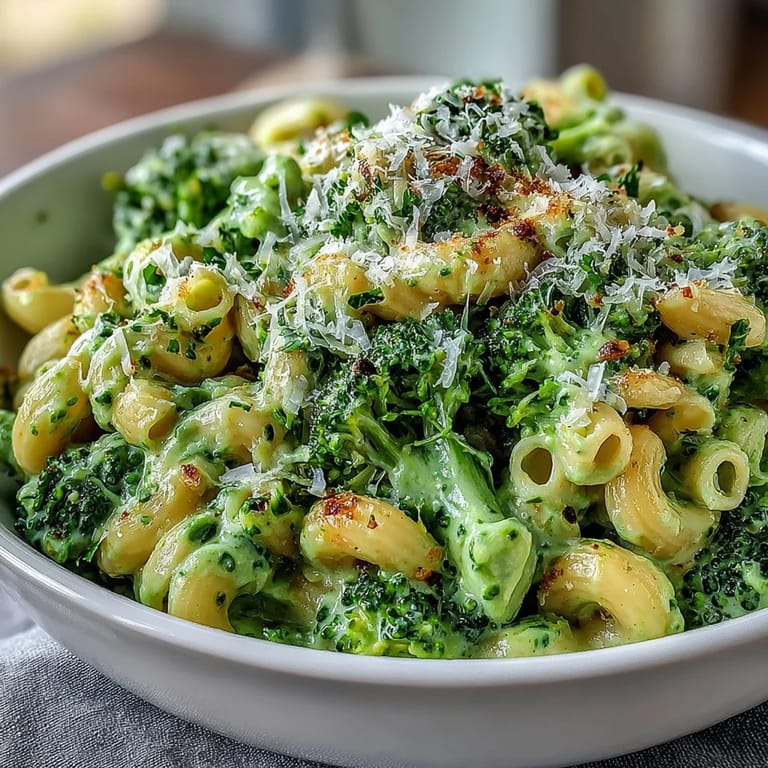
The magic of this recipe lives in that moment when you blend the spinach with half the sauce. Instead of having visible vegetable pieces floating around, you're creating a completely smooth, creamy green sauce that looks intentional and tastes luxurious. I learned this by accident when I first made this dish—I was trying to hide the spinach for a picky eater and discovered that blending it doesn't just hide it, it actually improves the texture of the entire sauce. The spinach becomes part of the creaminess rather than something separate.
Variations That Feel Just as Good
Once you understand how this sauce works, you can swap things around based on what you have or what you're in the mood for. Kale works beautifully if you want something with a slightly earthier taste, and frozen peas add sweetness and bright color without needing any blending at all. You could even use roasted zucchini or chopped fresh herbs like basil if you want to take it in a completely different direction. The real lesson here is that the foundation—the cheese sauce and the blending technique—stays the same, but the vegetables can be whatever makes you happy.
Making It Your Own
This recipe is forgiving enough that you can adjust it based on what's in your kitchen and what tastes good to you. Some people prefer more garlic, others want a little heat from red pepper flakes, and some folks swear by adding a splash of white wine to the sauce for extra depth. The nutritional base is solid, but the seasonings and vegetable additions are really about what sounds good on the day you're cooking. Think of this as a starting point rather than a rigid set of rules—cooking is supposed to be fun, not stressful.
- If your sauce seems too thick, whisk in a splash more milk until it reaches the consistency you want.
- Leftover mac and cheese keeps for three days in the refrigerator and reheats beautifully on the stovetop with a little extra milk stirred in.
- For a baked version, transfer everything to a casserole dish, top with breadcrumbs and extra cheese, and bake at 200°C (400°F) for ten to fifteen minutes until golden and bubbly.
 Save to Pinterest
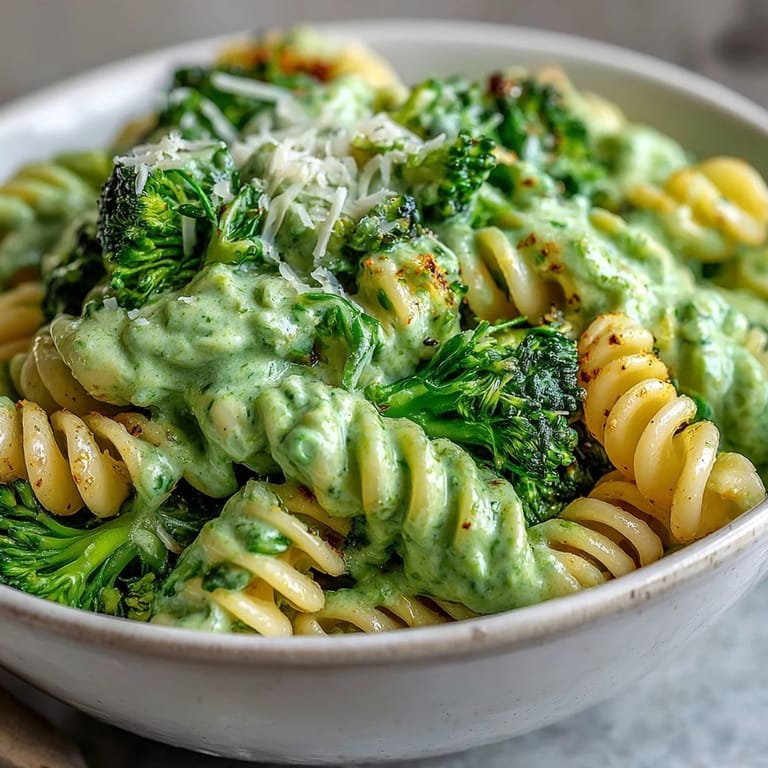
 This dish has become my reliable answer when I want to cook something that feels nurturing and real, something that reminds people why they love eating in the first place. Make it tonight, and I promise you'll understand why it's become such a favorite in my kitchen.
Recipe Q&A
- → How do I ensure the cheese sauce is smooth?
Gradually add milk while whisking constantly after sprinkling flour over the buttered onion and garlic. This prevents lumps and creates a velvety cheese sauce.
- → Can I substitute the spinach with other greens?
Yes, kale or peas make excellent alternatives, maintaining the vibrant green color and fresh flavor profile.
- → What is the purpose of blending the spinach before adding it to the sauce?
Blending the spinach creates a smooth, bright green sauce that perfectly coats the pasta and broccoli, adding freshness and nutrition without leafy texture.
- → How do I prevent the broccoli from overcooking?
Add broccoli florets during the last 2 minutes of pasta cooking to keep them tender-crisp and bright green.
- → Can this dish be made gluten-free?
Yes, use gluten-free pasta and substitute all-purpose flour with a gluten-free alternative for thickening the sauce.