 Save to Pinterest
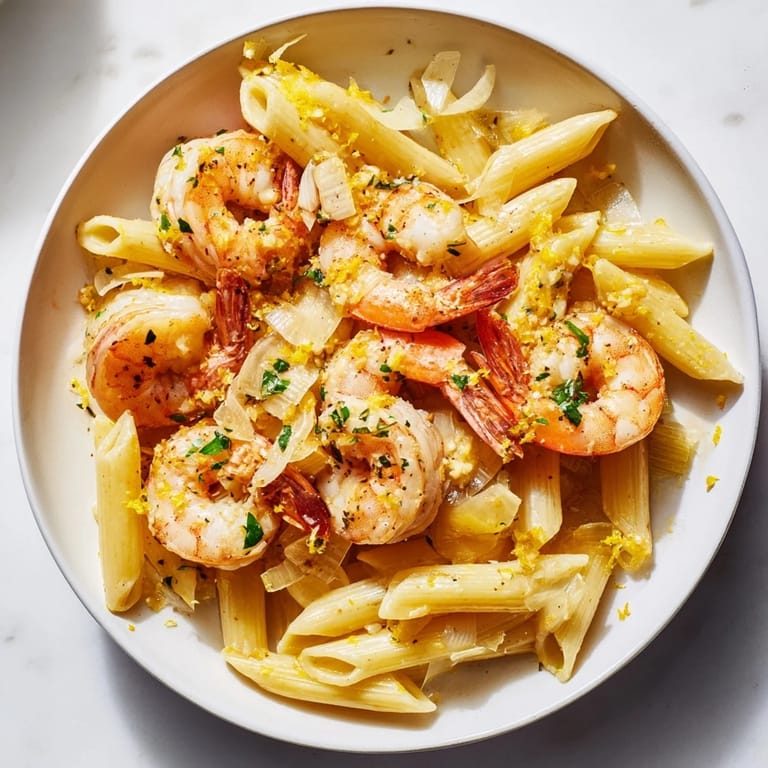
 There was a Tuesday night when I had exactly thirty minutes before guests arrived and nothing in my head but panic. I opened the fridge and saw shrimp, butter, garlic, and half a box of penne staring back at me like they were waiting for permission to become something spectacular. That's when it hit me—this dish doesn't need hours of fussing or complicated technique. It just needs heat, timing, and the courage to let simple ingredients speak for themselves.
My neighbor once asked why the smell was so good wafting over the fence, and I realized then that this pasta is less about impressing people and more about that moment when someone walks into your kitchen and just stops, breathing in. That's the real magic—not the plating, but the aroma that makes everyone suddenly hungry.
Ingredients
- Large shrimp (400 g): Pat them dry before cooking so they sear instead of steam—moisture is the enemy of a good crust.
- Penne pasta (350 g): Don't skip reserving pasta water; those starches are your secret sauce for binding everything together.
- Garlic (4 cloves): Mince it fine and add it last so it stays fragrant instead of turning bitter.
- Shallot (1 small): It softens faster than onion and won't overpower the delicate shrimp.
- Fresh parsley (2 tbsp): This goes in at the very end so it stays bright and alive, not cooked into submission.
- Lemon zest and juice: The zest adds perfume, the juice adds snap—they're not interchangeable.
- Unsalted butter (60 g): Use real butter here; it's the backbone of the whole dish and doesn't apologize for it.
- Parmesan cheese (2 tbsp): Grate it fresh if you can; pre-grated tastes like disappointment in comparison.
- Extra-virgin olive oil (2 tbsp): Save the good stuff for this and taste the difference.
- Red pepper flakes: Optional but honestly, they're the tiny whisper that wakes up your palate.
Tired of Takeout? 🥡
Get 10 meals you can make faster than delivery arrives. Seriously.
One email. No spam. Unsubscribe anytime.
Instructions
- Start the pasta first:
- Salt your water generously—it should taste like the sea. Get it rolling while you prep everything else so nothing sits around getting bored.
- Dry and season the shrimp:
- Paper towels are your friend here; any moisture clinging to the shrimp will steam it instead of letting it develop that quick golden sear.
- Sear the shrimp hard and fast:
- High heat, just enough time to turn them pink and opaque, then out they go. They'll keep cooking a bit more later, so don't linger.
- Build the garlic butter base:
- Sauté the shallot until it softens, then add the garlic for just thirty seconds until you smell it. This is not the time to multitask.
- Add brightness:
- Lemon zest, juice, and red pepper flakes go in together, creating a little flavor moment before the pasta arrives.
- Bring it all together:
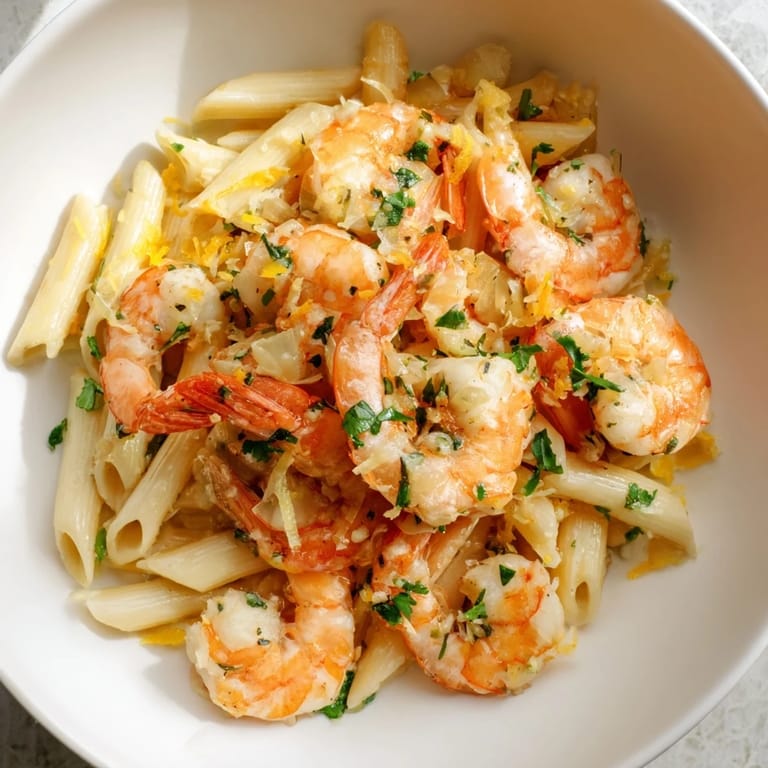
- Toss the drained pasta into the skillet and let the butter coat every strand. Add pasta water a splash at a time until you get a silky, light sauce that clings without drowning.
- Finish with love:
- Return the shrimp, scatter in the parsley and Parmesan, taste, adjust, and trust your instincts on seasoning.
 Save to Pinterest
 The first time I made this for someone who claimed they didn't really like seafood, they cleaned their plate and asked for seconds. Sometimes a recipe isn't about converting people's tastes; it's just about showing them that their assumptions might have been wrong the whole time.
Why Timing Matters
Thirty minutes total is not some romantic guideline—it's a genuine promise this dish keeps. The shrimp cooks in under three minutes, the pasta in twelve, and the rest is just orchestration. Start your water before anything else, and you'll never be scrambling. I learned this the hard way by trying to do everything at once and ending up with cold pasta and overcooked shrimp wondering where the magic went.
The Garlic Butter Moment
There's a specific point when minced garlic hits hot butter where the smell suddenly becomes almost overwhelming in the best way. That's your signal that the flavor foundation is ready. If you smell it turning bitter or brown, you've gone too far; the key is that golden fragrant stage right before things go dark. It takes practice and honesty about what you're smelling, but once you know it, you'll recognize it every time.
Serving and Pairing Thoughts
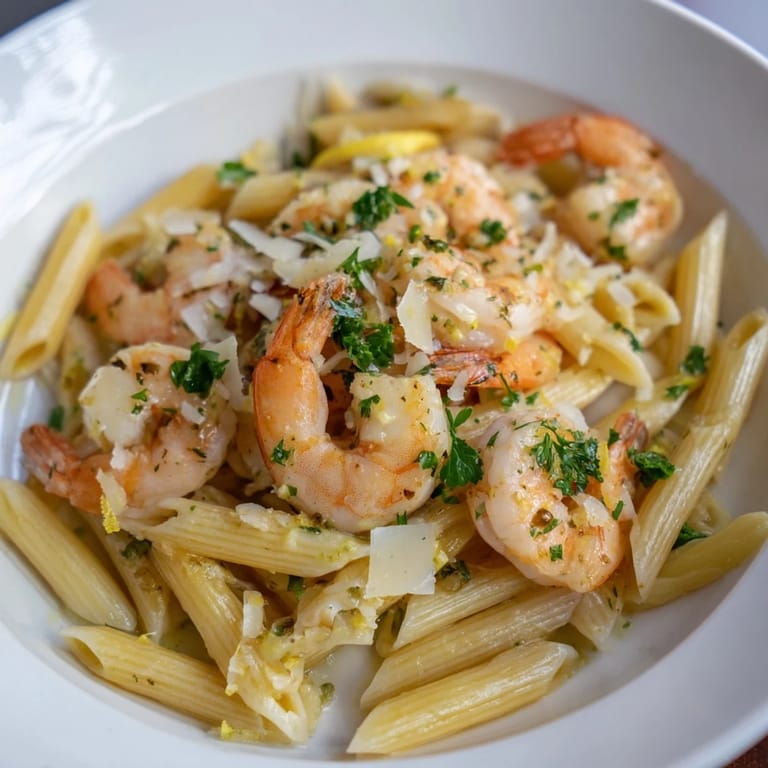
This pasta is best served immediately while the sauce is still silky and the shrimp still warm. A crisp white wine—Sauvignon Blanc or Pinot Grigio—tastes like an extension of the dish rather than an afterthought. If you have fresh bread to soak up the last bit of garlicky butter from the plate, even better; there's no shame in using bread like a towel at the end of this meal.
- Grate extra Parmesan over each plate so people can adjust the cheesy factor to their liking.
- Fresh parsley scattered on top isn't just pretty; it actually tastes clean and bright against the richness.
- Lemon wedges on the side let people squeeze their own final burst of brightness if they want it.
 Save to Pinterest
 This dish has a way of making you feel competent and generous at the same time, which is maybe the best thing a recipe can do. It's been my go-to for last-minute dinners, small celebrations, and those nights when I want to cook something that tastes like it took more effort than it actually did.
Recipe Q&A
- → What is the best way to cook the shrimp?
Sauté the shrimp in butter and olive oil over medium-high heat until just pink and opaque, about 1–2 minutes per side, to retain tenderness.
- → How do I prevent the pasta from sticking?
Cook penne in plenty of salted boiling water until al dente, then drain and toss immediately with the sauce to prevent sticking.
- → Can I substitute penne with other pasta types?
Yes, linguine or spaghetti work well as alternatives and will still hold the garlic butter sauce nicely.
- → How does the reserved pasta water enhance the sauce?
The starchy pasta water helps loosen the sauce, creating a smooth, light coating that clings to the pasta and shrimp.
- → What wine pairs well with this dish?
A crisp Sauvignon Blanc or Pinot Grigio complements the garlic and seafood flavors beautifully without overpowering them.
- → Is this dish suitable for gluten-free diets?
Using gluten-free penne makes this dish adaptable for gluten-free needs; always verify all ingredients for allergens.