 Save to Pinterest
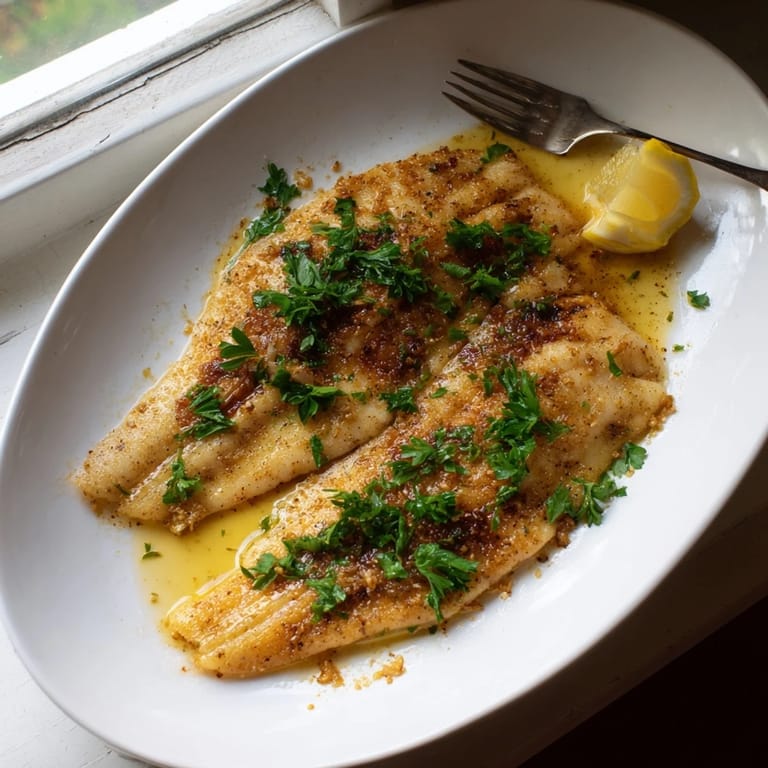
 The first time I made this dish, I was rushing to get dinner on the table before guests arrived. My hands were trembling slightly as I dredged the delicate fillets, but something magical happened when that butter started browning. The kitchen filled with this incredible nutty aroma that made everyone pause their conversations. That night taught me that French cuisine does not have to be complicated to be impressive.
I once served this at a dinner party where my friend Sarah, who swore she hated fish, went back for seconds. She kept asking what I had done to make it taste so rich without feeling heavy. Now whenever I see fresh flounder at the market, I think of her empty plate and smile.
Ingredients
- Flounder fillets: These delicate white fish fillets are perfect for quick cooking and have a mild sweet flavor that pairs beautifully with butter
- Kosher salt: Coarse salt adheres better to the fish and seasons more evenly than fine table salt
- All-purpose flour: Creates a light golden crust that protects the fish while keeping it moist inside
- Unsalted butter: Using unsalted butter lets you control the seasoning and allows you to brown it properly without burning
- Olive oil: Prevents the butter from burning too quickly and adds a subtle fruity note
- Lemon juice: Fresh lemon brightens the rich butter sauce and cuts through the richness
- Flat-leaf parsley: Adds fresh color and a mild herbal flavor that complements without overpowering
Tired of Takeout? 🥡
Get 10 meals you can make faster than delivery arrives. Seriously.
One email. No spam. Unsubscribe anytime.
Instructions
- Prep the fish:
- Pat each fillet completely dry with paper towels then season generously with salt and pepper on both sides
- Dredge lightly:
- Place flour on a shallow plate and lightly coat each fillet, shaking off any excess so the crust stays delicate
- Heat the pan:
- Warm 2 tablespoons butter with the olive oil in a large nonstick skillet over medium-high heat until the butter foams
- Cook the fish:
- Add fillets in batches and cook for 2 to 3 minutes per side until golden and just opaque throughout, then transfer to a warm platter
- Make the sauce:
- Wipe out the skillet, add remaining butter and cook over medium heat until golden brown and nutty, about 2 to 3 minutes
- Finish and serve:
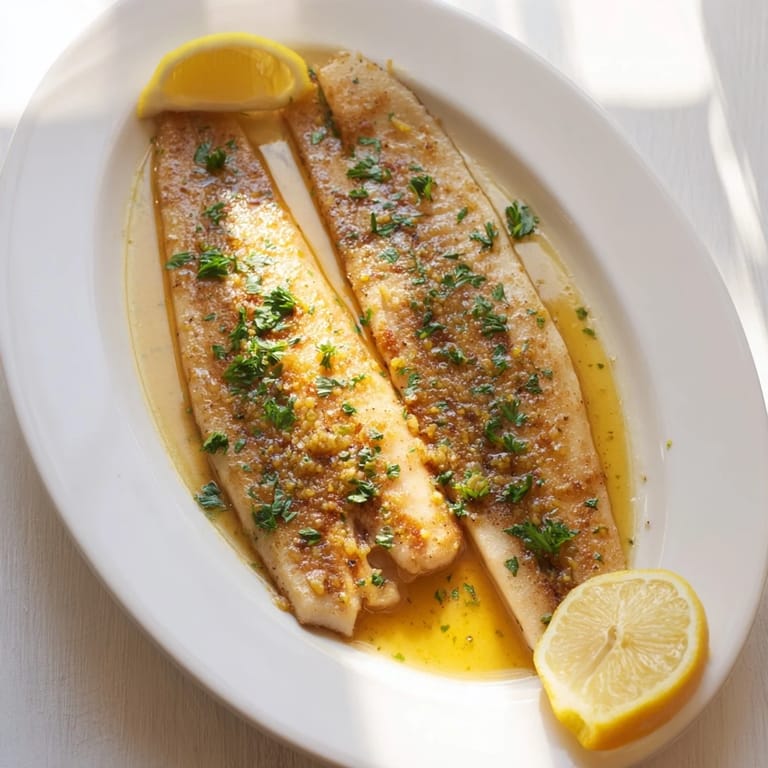
- Remove from heat, stir in lemon juice and parsley, then immediately spoon the sauce over the fish and serve with lemon wedges
 Save to Pinterest
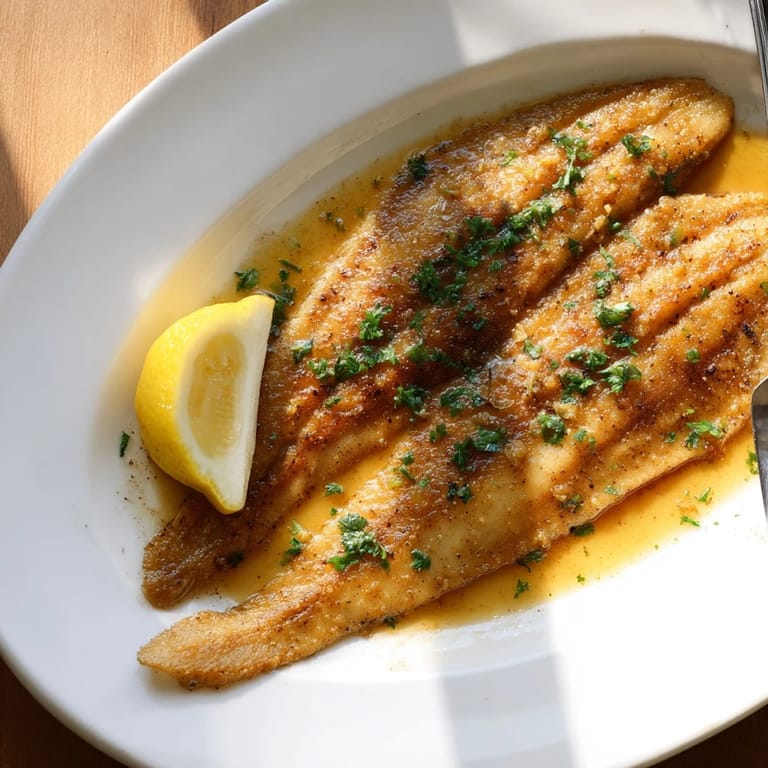
 This recipe became my go-to anniversary dinner because it feels fancy without requiring hours of prep. Something about watching the butter transform into that golden amber color makes even a Tuesday night feel like a celebration.
Choosing the Right Fish
Flounder is ideal because its thin fillets cook quickly and evenly, but Dover sole works beautifully too. I have found that tilapia makes a decent substitute in a pinch, though the texture is slightly firmer. The key is choosing fish that is fresh and has a mild flavor so the butter sauce can shine.
Perfecting the Brown Butter
Watch for the butter to foam then subside, that is when the milk solids start toasting and creating that nutty flavor. I swirl the pan constantly during this stage because browned butter goes from perfect to burnt frustratingly fast. The color should be golden amber, not dark brown.
Serving Suggestions
Steamed green beans with a squeeze of lemon cut through the richness beautifully. Roasted potatoes seasoned simply with salt and herbs make this a complete meal. A crisp white wine like Sauvignon Blanc complements the bright lemon notes in the sauce.
- Keep everything warm while you make the sauce so the fish does not get cold
- Have your lemon wedges ready before you start cooking
- Patience during the browning step makes all the difference
 Save to Pinterest
 There is something deeply satisfying about a recipe that transforms simple ingredients into something extraordinary in just twenty minutes. This dish reminds me that good cooking is often about technique rather than complexity.
Recipe Q&A
- → What does meunière mean?
Meunière is French for "miller's wife," referring to the traditional technique of dredging fish in flour before cooking, similar to how millers would work with grain. This creates a light, crispy coating while keeping the fish moist and tender inside.
- → Can I use other types of fish?
Absolutely. Dover sole, tilapia, perch, or any mild white fish fillet works beautifully. The key is using thin, delicate fillets that cook quickly and can hold up to the light flour coating and pan-frying method.
- → How do I know when the butter is properly browned?
Watch for the butter to foam, then turn golden brown with a nutty aroma. This takes 2–3 minutes over medium heat. Don't let it go too dark or it will taste bitter. The foam will subside as the milk solids brown—that's your signal to remove it from heat.
- → Why add lemon juice off the heat?
Lemon juice stops the butter from cooking further and prevents burning. Adding it while the pan is still hot also creates a beautiful emulsion, allowing the citrus flavor to infuse throughout the browned butter. This technique ensures the sauce stays velvety and bright.
- → What sides pair well with this dish?
Steamed green beans, roasted potatoes, or a simple arugula salad with vinaigrette complement the rich, buttery fish. For a more traditional French approach, serve with haricots verts or pommes purée. The dish is substantial enough to stand alone with crusty bread for soaking up the sauce.
- → Can I make this gluten-free?
Yes, simply substitute rice flour or a gluten-free all-purpose blend for the wheat flour in the dredging step. The coating will still provide that satisfying crisp texture, and the sauce remains naturally gluten-free aside from the flour coating.