 Save to Pinterest
 I'll never forget the moment my friend Sarah, a molecular biologist, walked into my kitchen and gasped at the appetizer I'd just arranged on the board. She'd spent the afternoon teaching me about DNA structure over coffee, sketching helixes on napkins, and I thought—what if we could eat science? That evening, the Double Helix was born, and it became the most talked-about appetizer at every gathering after. It's the kind of dish that makes people stop mid-conversation and pull out their phones, not because it's complicated, but because it's playful, delicious, and honestly, a little bit genius.
I remember making this for my niece's tenth-grade science project celebration, and watching her friends gather around the platter like it was some kind of edible puzzle they'd just solved in class. One girl asked if I'd gone to culinary school. I told her the truth: I'd just listened to her teacher talk about base pairs and decided to make it delicious. That's when I realized this recipe bridges something special—the gap between learning and experiencing, between science and joy.
Ingredients
- Black olives, pitted and sliced (100 g): These are your dark line's anchor—their deep color creates the crucial contrast that makes the helix pop visually. Use Kalamata or oil-cured varieties for better flavor than canned.
- Cherry tomatoes, halved (100 g): The brightness here is non-negotiable. Choose tomatoes that are ripe and fragrant; they're half the visual appeal and bring natural sweetness that balances the savory elements.
- Cucumber, cut into thin half-moons (100 g): These add a fresh, crisp texture and pale green that sits beautifully between darker and brighter elements. Slice them just before serving so they stay firm.
- Roasted red peppers, sliced (100 g): Buy them jarred to save time, or roast your own if you're feeling ambitious. Their silky texture and sweet smokiness elevate this from vegetable platter to something refined.
- Smoked salmon or marinated tofu strips (100 g, optional): This is your protein line if you want it. Salmon brings luxury and richness; tofu brings the vegan credentials. Either way, slice it thin so it integrates naturally into the design.
- Mozzarella cheese, cut into thin strips or small cubes (150 g): Use fresh mozzarella if you can find it—the creamy, mild flavor is what makes those cheese rungs feel like actual connectors rather than afterthoughts. At room temperature, it's easiest to arrange.
- Cheddar cheese, cut into thin strips or small cubes (100 g): The orange-gold color is your second visual anchor in the rungs. Choose a good quality cheddar; the flavor complexity matters as much as the color.
- Fresh basil leaves (50 g): These aren't decoration—they're the finishing note that brings herbaceous life to every bite. Tear them gently just before serving so they release their oils.
- Crackers or gluten-free crackers (50 g, optional): Your guests will thank you for having something to anchor the pieces as they eat. These become little edible platforms.
- Olive oil (1 tbsp): A gentle drizzle at the end isn't just flavor—it's the final gloss that makes everything look intentional and restaurant-quality.
- Freshly ground black pepper, to taste: Add this just before serving. It catches the light and adds a final whisper of sophistication.
Tired of Takeout? 🥡
Get 10 meals you can make faster than delivery arrives. Seriously.
One email. No spam. Unsubscribe anytime.
Instructions
- Set up your canvas:
- Choose a large, flat serving board or platter—ideally something with a bit of visual interest, like marble or natural wood, that will frame your creation. Clean it completely and let it be your blank slate. This is the foundation of everything beautiful that comes next.
- Create the first strand:
- Using your first ingredient line (let's say black olives), begin arranging them in a long, gentle S-curve or wave down the center-left of your board. Don't aim for perfect—slight irregularities look more organic and alive. These olives are going to be one of your two DNA strands, so give them about 8-10 inches of length, whatever your board allows.
- Build the second strand:
- Parallel to your olive line, maybe 3-4 inches away, begin your contrasting ingredient line with cherry tomato halves. Position them with the cut side down for stability and visual interest. You're creating a visual conversation between two colors, two textures. Stand back occasionally and look at how they talk to each other from across the room.
- Fill and balance the strands:
- Now add your additional ingredient lines—cucumber half-moons, roasted red peppers, or salmon strips—alternating them between the two main lines to deepen the color contrast and create visual richness. Think of it like adding dimension; you're not just making two lines anymore, you're creating two complex, textured paths that lead the eye along the helix.
- Add the cheese rungs:
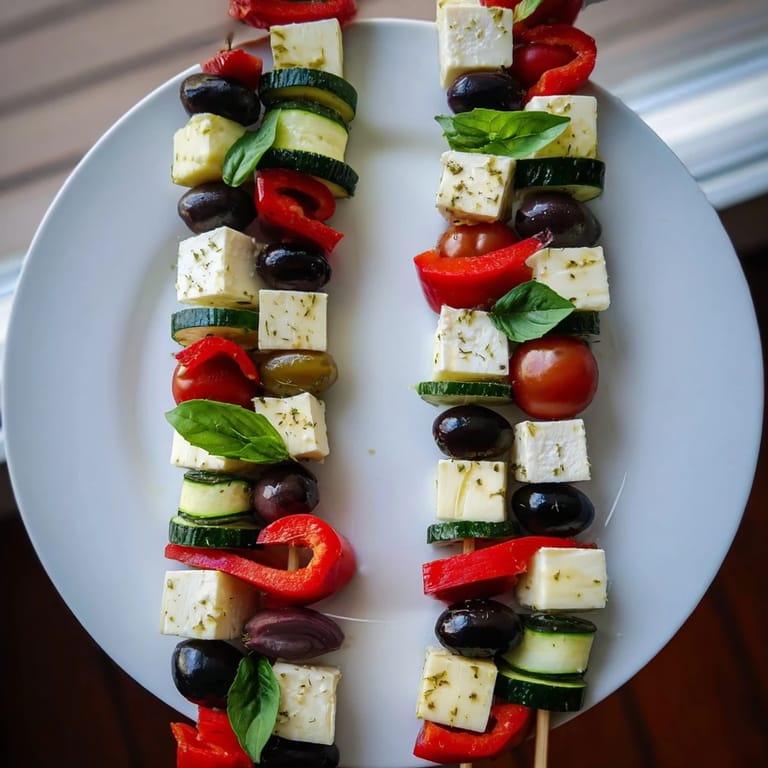
- This is where the magic of molecular visualization happens. Take your mozzarella strips and arrange them perpendicular to your ingredient lines, connecting them like the base pairs of actual DNA. Space them about 1.5-2 inches apart. Then alternate with cheddar rungs in between. Each rung should feel intentional, balanced, and part of a larger design. This is what transforms a vegetable arrangement into something that says, 'I understand science and flavor.'
- Tuck basil throughout:
- Gently nestle fresh basil leaves along the sides and between your ingredient lines. They'll add green life, aroma, and that final touch that says this was made with care and presence.
- Final flourishes:
- Drizzle the olive oil in a gentle spiral or along the lines, letting it catch the light. Finish with a careful grind of black pepper over the entire arrangement. If you're using crackers, arrange them on the side of the board, ready to support each bite.
 Save to Pinterest
 Years later, my sister told me that serving this at her dinner party changed how her kids thought about eating. They started seeing food as something you could communicate with, create with, arrange with intention. Food became a language. That's when I understood—this isn't just an appetizer. It's an invitation to slow down and think about what you're putting on the table, and why beauty on a plate matters as much as flavor on the tongue.
The Science of Color and Contrast
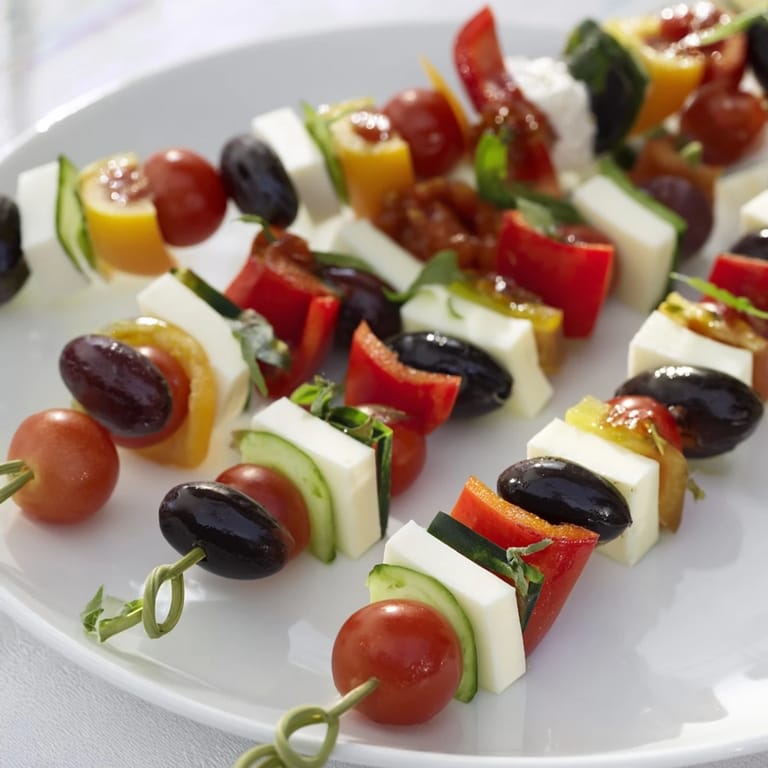
When I first made this, I learned something that changed how I approach all my plating: color contrast isn't optional—it's essential. The double helix only works because the eye can clearly distinguish the two strands from one another. Neuroscientists would probably explain something about how our brains process visual information, but what I learned in my kitchen is simpler: when colors speak to each other across space, the whole arrangement becomes alive. Black olives against bright red peppers, pale cucumber against roasted orange—these pairings create visual rhythm. Choose your opposite line colors deliberately, and suddenly you're not just arranging ingredients; you're composing art.
Making It Your Own
The template of a double helix is forgiving, which is one of my favorite things about this recipe. I've made it with beet slices, with thin prosciutto, with marinated artichoke hearts, with colored cauliflower, with pomegranate seeds—whatever I had on hand that created interesting color and texture. The first time I varied it significantly, I was nervous I'd lose the concept. Instead, I realized the concept is about the structure, not the ingredients. Once you understand that the helix is the framework, you can fill it with whatever brings you joy, whatever your guests will love, whatever is seasonal and fresh in your market that week. That's when cooking stops being about following instructions and starts being about listening to what's in front of you.
- Try beet slices, thin prosciutto, or marinated artichoke hearts for ingredient variety
- Roast your own peppers from scratch if you have the time—they'll taste like an entirely different thing
- Consider seasonal vegetables: asparagus tips in spring, fresh corn in summer, fig slices in fall
Pairing and Presentation
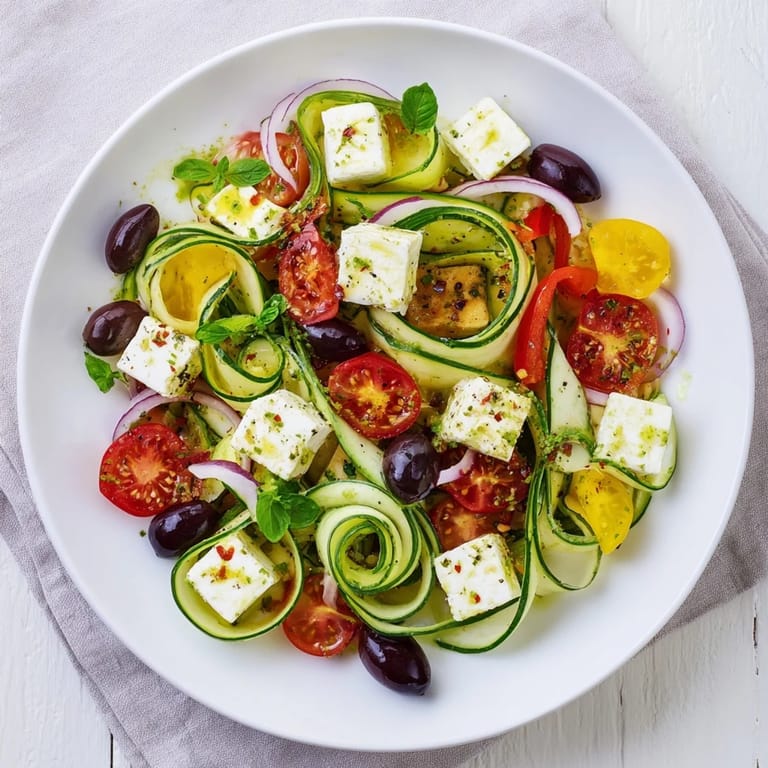
I learned early on that this dish deserves a companion beverage that won't compete with it. A crisp white wine like Sauvignon Blanc or a dry prosecco echoes the freshness of the vegetables without overwhelming. Sparkling water with fresh lemon or lime is perfect if you're keeping it alcohol-free. The acidity in the wine cuts through the richness of the cheese, and both options let the individual flavors shine. As for presentation, invest those few extra minutes in making the board itself part of the story—use a beautiful piece of wood, a marble slab, or even a large white ceramic platter. The background matters. It frames the helix and tells your guests that what they're about to taste was worth care and thought.
 Save to Pinterest
 This recipe taught me that the most memorable dishes aren't always the most complex—they're the ones that make people think, smile, and reach for seconds. The Double Helix is edible curiosity, and that's a gift worth giving.
Recipe Q&A
- → How do I create the double helix shape?
Arrange two parallel twisting lines of alternating ingredients, then place cheese strips perpendicularly between them to mimic the rungs of a helix.
- → Can this dish accommodate dietary restrictions?
Yes, use marinated tofu and plant-based cheeses for a vegan version, and select gluten-free crackers to avoid gluten.
- → What ingredients form the base lines?
Black olives, cherry tomatoes, cucumber slices, roasted red peppers, with optional smoked salmon or tofu strips.
- → How should I serve this appetizer?
Place on a large serving board, drizzle with olive oil, sprinkle black pepper, and offer crackers on the side if desired.
- → How can I keep the cheese rungs stable?
Use mini skewers or toothpicks to secure cheese strips between the base lines for stability during serving.