 Save to Pinterest
 I discovered these cookies by accident on a Tuesday morning when I had cottage cheese expiring in three days and a craving for chocolate that wouldn't quit. My usual protein cookie recipe felt tired, so I tossed the cottage cheese into the blender on a whim—something about its creaminess and mild tang seemed perfect against dark cocoa. Twelve minutes later, my kitchen smelled like a chocolate factory, and I had twelve fudgy proof-of-concept cookies that actually tasted like dessert, not punishment.
My friend Marcus came over last Saturday, and I pulled these warm from the oven while we were catching up in the kitchen. He bit into one expecting some gritty health food situation and actually paused mid-sentence, then asked for three more with his coffee. That moment—when someone realizes a healthy recipe tastes like actual food—never gets old.
Ingredients
- Oat flour (1 cup): Gives structure and a subtle earthiness that chocolate loves; blend whole oats if you can't find oat flour, and your cookies will have a slightly coarser bite.
- Unsweetened cocoa powder (1/3 cup): The backbone of everything chocolate-tasting here; don't skip quality, as cheap cocoa tastes dusty and bitter in the wrong way.
- Chocolate or vanilla protein powder (1 scoop): Choose a flavor that actually tastes good to you on its own; this isn't the place to use that mysterious tub your gym gave you.
- Baking soda (1/2 tsp): Helps the cookies rise slightly and deepens the cocoa flavor through a reaction that sounds complicated but just means better chocolate taste.
- Salt (1/4 tsp): A pinch that makes people ask what your secret ingredient is—it amplifies the chocolate without tasting salty.
- Low-fat cottage cheese (1 cup): Blend it until absolutely smooth; lumpy cottage cheese creates weird texture spots and ruins the whole thing.
- Maple syrup or honey (1/3 cup): Brings moisture and a subtle caramel note that regular sugar can't match; maple is my default because honey sometimes tastes floral.
- Egg (1): Binds everything and adds richness; room temperature works best if you remember to pull it out earlier.
- Vanilla extract (1 tsp): Rounds out the chocolate flavor and prevents it from feeling one-dimensional.
- Melted coconut oil or unsalted butter (2 tbsp): Adds tenderness; coconut oil keeps them dairy-lighter if that matters to you, butter tastes richer.
- Dark chocolate chips (1/2 cup): The chocolate you'd actually eat on its own; quality matters here since there's nowhere to hide mediocre chocolate.
- Mini chocolate chips or chopped chocolate for topping (1/4 cup, optional): A visual signal that these are real cookies and a promise of extra chocolate in the first bite.
Tired of Takeout? 🥡
Get 10 meals you can make faster than delivery arrives. Seriously.
One email. No spam. Unsubscribe anytime.
Instructions
- Set your oven and prep:
- Preheat to 350°F and line your baking sheet with parchment paper so nothing sticks and cleanup is actually optional. This is the moment you realize how much you love parchment paper.
- Mix your dry ingredients:
- Whisk together the oat flour, cocoa powder, protein powder, baking soda, and salt in a medium bowl—you're looking for even color, no cocoa clumps hiding in corners. This takes two minutes and saves you from a grainy finished cookie.
- Blend the cottage cheese smooth:
- Pour it into a blender with the maple syrup, egg, vanilla, and melted oil, then blend just until completely smooth and creamy. You'll feel the texture change under the blender, and that's your signal to stop—over-blending makes things weepy.
- Combine wet and dry:
- Pour the blended mixture into the bowl with your dry ingredients and stir until just barely combined—you want no visible flour streaks but you don't want to overmix and make the cookies tough. The batter should look like soft brownie batter.
- Fold in the chocolate chips:
- Gently stir them through so they're distributed but you're not crushing them; some clumps of chips are actually good.
- Scoop onto the sheet:
- Use a cookie scoop or heaping tablespoon to portion dough about two inches apart—they spread slightly, and you want room for that. If you're topping with extra chocolate, press a few chips into each mound now.
- Bake until the edges set:
- Bake for 10 to 12 minutes—the edges should look set and matte, but the centers should still feel slightly soft when you gently press them. They'll firm up as they cool, and overbaking means dry cookies.
- Cool strategically:
- Leave them on the sheet for five minutes so the edges set completely, then transfer to a wire rack before they stick. This is when your kitchen smells best.
 Save to Pinterest
 There's something quietly satisfying about pulling a tray of these from the oven and realizing you just made restaurant-quality chocolate cookies in your own kitchen while staying on track with your actual nutrition goals. It's the kind of small victory that makes you feel genuinely clever about what you eat.
Why Cottage Cheese Works Here
Cottage cheese sounds weird in cookies until you realize it's mostly water and protein, which means it hydrates the dough without adding flour weight or graininess. The mild tang underneath also makes the chocolate taste more complex and less one-note sweet. I've tried a dozen protein baking substitutes, and cottage cheese is the only one that disappears into the texture while actually improving the flavor profile.
Texture Notes and Variations
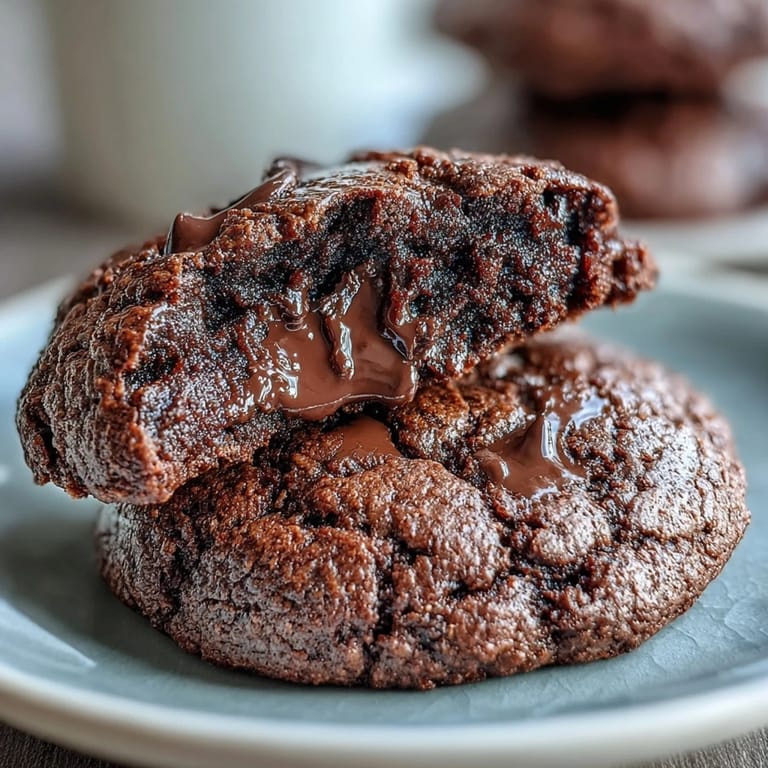
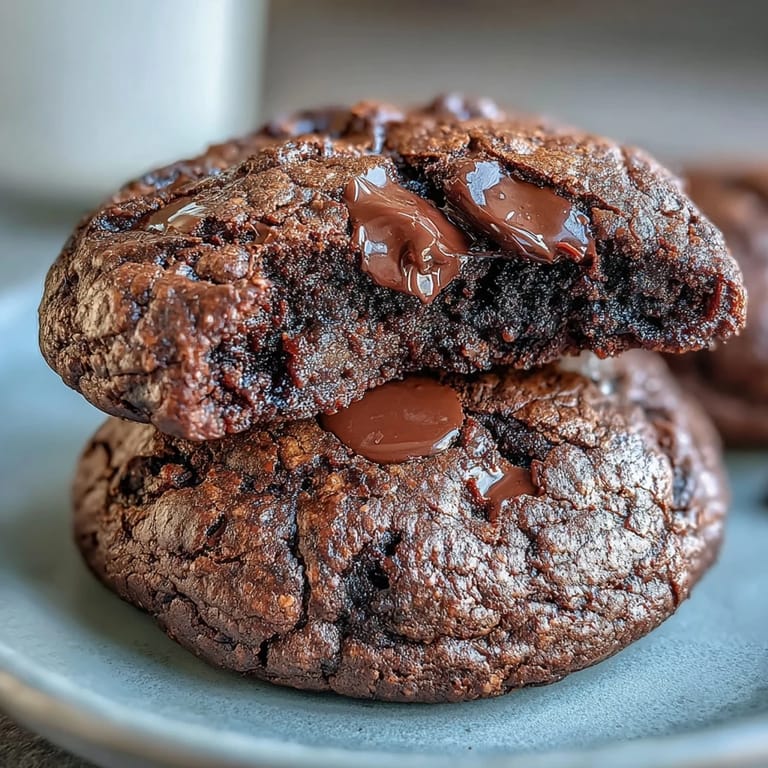
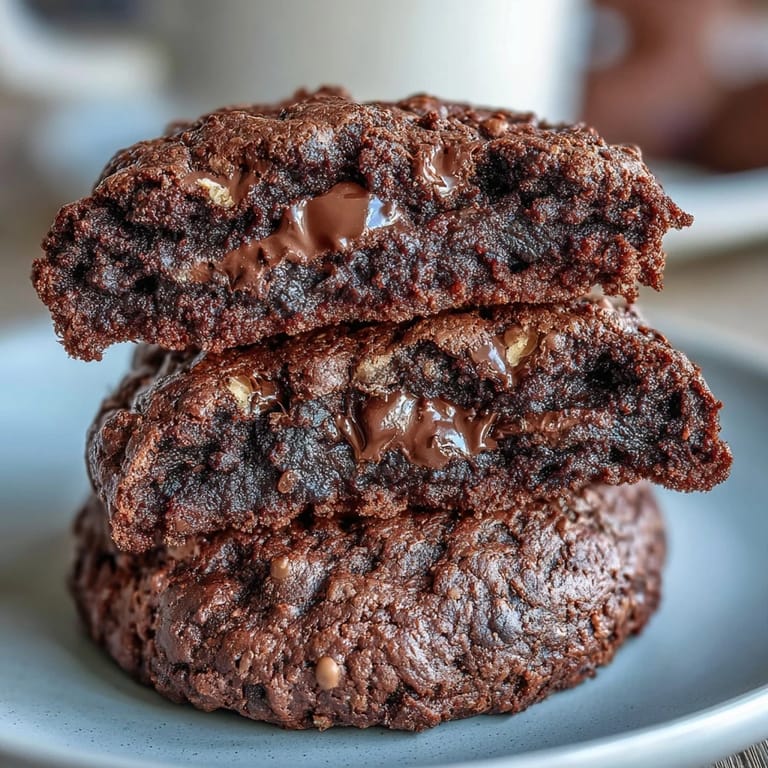
These cookies land somewhere between a brownie and a soft chocolate chip cookie, which is exactly the sweet spot where everyone's happy. If you want them crunchier, bake the full twelve minutes and let them cool completely before eating; if you like them fudgier, pull them out at ten minutes and eat them while still slightly warm. I've also noticed that storing them in the fridge makes them denser and more brownie-like, while room temperature keeps them softer.
Storage and Make-Ahead Strategy
These keep beautifully in an airtight container in the refrigerator for five days, though they rarely last that long in my house. You can also freeze the portioned dough on a tray and bake straight from frozen, adding just a minute or two to the baking time for the same warm cookie effect whenever you want one.
- Store in the coldest part of your fridge so they stay fudgy and don't dry out.
- Grab one straight from the fridge as an ice cream sandwich base or dunk it in cold milk for an entirely different experience.
- If they somehow get hard, microwave one for fifteen seconds and it comes back to life.
 Save to Pinterest
 These cookies prove that healthy eating doesn't mean sacrificing chocolate or joy, just getting a little creative about how you build the recipe. Make them once and they become the thing you reach for when you want dessert that feels earned.
Recipe Q&A
- → What gives these cookies a fudgy texture?
The combination of cottage cheese and melted coconut oil creates moisture and richness, resulting in a fudgy consistency.
- → Can I substitute oat flour with another flour?
Yes, almond flour is a great alternative that adds a different texture while keeping the cookies moist.
- → Are these cookies suitable for a high-protein diet?
Yes, the addition of protein powder and cottage cheese boosts protein content, making them ideal for protein-focused snacking.
- → How can I make these cookies gluten-free?
Use certified gluten-free oat flour and protein powder to ensure the cookies remain gluten-free.
- → What sweeteners can be used besides maple syrup?
Honey is a natural alternative, and sugar-free sweeteners can also be used to reduce sugar content.