 Save to Pinterest
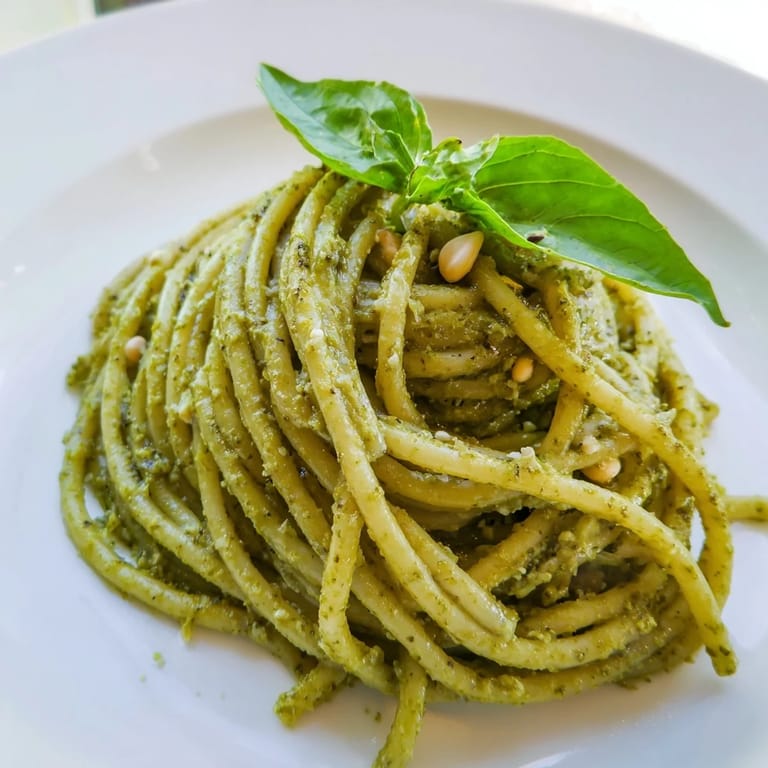
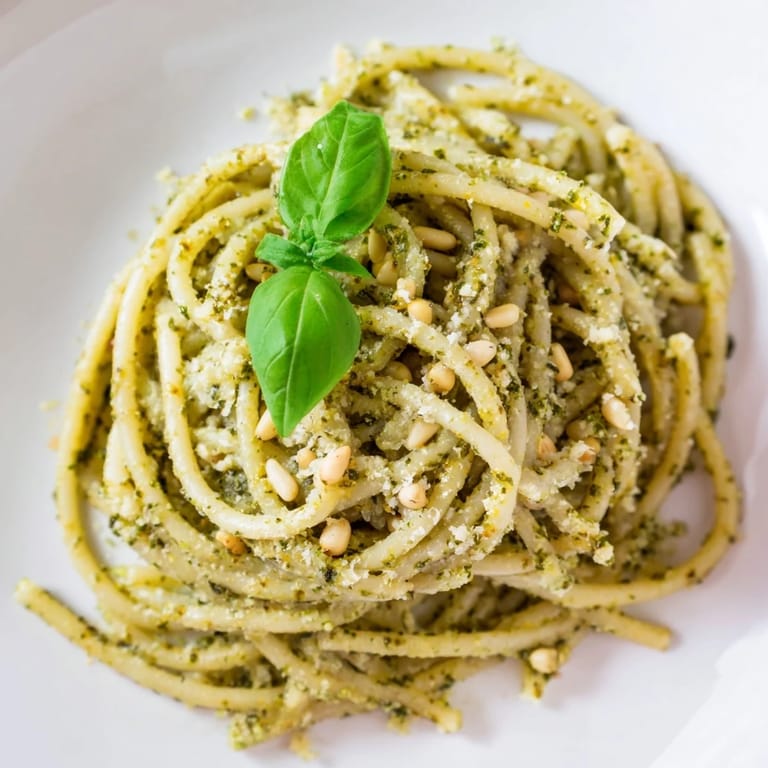
 Last Tuesday I stood in my kitchen realizing I had completely forgotten to buy pine nuts for pesto again. The sunflower seeds caught my eye in the pantry, and I decided to just experiment instead of making another grocery run. That accidental switch turned into one of my favorite pasta discoveries, and the creamy texture somehow felt even more luxurious than the traditional version. My roommate actually thought I had ordered from a restaurant when she walked through the door.
I made this for my sister last weekend when she was recovering from a bad cold and needed comfort food. She kept asking what the secret ingredient was, and honestly I think it was just how velvety the cream made everything feel together. Seeing her go back for seconds and actually smile for the first time in days made this recipe a permanent fixture in my rotation.
Ingredients
- 1 cup unsalted sunflower seeds: These become wonderfully buttery when toasted, and I actually prefer their mild sweetness over traditional pine nuts now
- 2 cups fresh basil leaves: Pack them down tightly because nothing replicates that fragrant, peppery bite that fresh basil brings
- 2 cloves garlic: Use fresh cloves rather than pre-minced stuff, the difference in aroma is massive
- 1/2 cup grated Parmesan cheese: This adds that salty umami foundation that ties everything together beautifully
- 1/2 cup extra virgin olive oil: The quality matters here since it carries so much of the flavor profile
- 1/4 cup water: This helps loosen the pesto without overwhelming it with too much oil
- 2 tablespoons lemon juice: Brightens up the rich sauce and keeps everything from feeling too heavy
- 1/4 teaspoon salt: Start with this and adjust, the Parmesan already brings quite a bit of saltiness
- 1/4 teaspoon black pepper: Adds just enough warmth to balance the cream
- 400 g dried pasta: I love how fusilli catches the sauce in all those ridges, but whatever shape you have works perfectly
- 1/2 cup heavy cream: This transforms the pesto into this incredibly silky restaurant-style coating
Tired of Takeout? 🥡
Get 10 meals you can make faster than delivery arrives. Seriously.
One email. No spam. Unsubscribe anytime.
Instructions
- Get your pasta water ready:
- Bring a large pot of generously salted water to boil, then add your pasta and cook until just tender with a slight bite
- Toast your seeds:
- While the pasta cooks, toast sunflower seeds in a dry skillet over medium heat for 3 to 4 minutes until golden and fragrant, stirring occasionally
- Build the pesto base:
- In your food processor, combine toasted sunflower seeds, basil, garlic, Parmesan, olive oil, lemon juice, salt, and pepper, then pulse until a coarse paste forms
- Make it creamy:
- Add water and blend until completely smooth, adding more water if it seems too thick to coat a spoon easily
- Bring it all together:
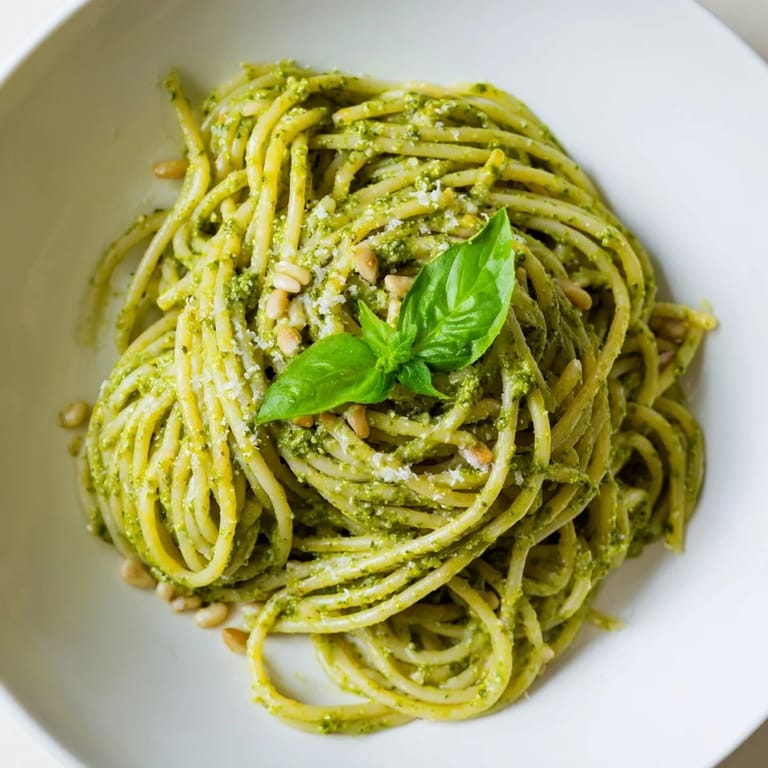
- Return drained pasta to the pot over low heat, add pesto and cream, tossing until everything is glossy and coated
- Adjust and serve:
- Taste and add more salt, pepper, or lemon juice as needed, then serve immediately with extra Parmesan if desired
 Save to Pinterest
 This became my go-to date night pasta after my partner mentioned they had never had homemade pesto before. Watching them light up at that first bite, completely baffled that something this good came from random pantry ingredients, was such a perfect kitchen memory.
Making It Vegan
Swapping nutritional yeast for Parmesan and using your favorite plant-based cream works beautifully here. I have served this to vegan friends who could not believe it was dairy-free, and the sunflower seeds actually make the texture even creamier than traditional versions.
Add Ins That Work
Sometimes I toss in frozen peas during the last minute of pasta cooking, and their sweetness plays so nicely against the garlic. Roasted cherry tomatoes burst open and create these little pockets of brightness throughout, and wilted spinach disappears into the sauce while adding some extra nutrition.
Storage And Leftovers
The pesto keeps in the fridge for about a week, though it tends to thicken up, so just thin it with a splash of water or olive oil when you are ready to use it again. Leftover pasta does reheat surprisingly well, just add a tiny splash of cream and warm it gently.
- Make extra pesto and freeze it in ice cube trays for quick weeknight meals
- This sauce also works beautifully on grilled vegetables or as a sandwich spread
- A little drizzle of olive oil on top prevents the pesto from oxidizing in the fridge
 Save to Pinterest
 I hope this becomes one of those recipes you turn to when you need something that feels special but comes together almost effortlessly. There is something magical about pantry ingredients transforming into something this good.
Recipe Q&A
- → Can I make the pesto ahead of time?
Yes, the pesto keeps well in an airtight container in the refrigerator for up to 3 days. Store it without the cream, then add the cream when you're ready to cook the pasta.
- → What can I use instead of sunflower seeds?
Pine nuts, walnuts, or almonds work wonderfully as substitutes. You can also use pumpkin seeds for a similar earthy flavor. Toast them the same way for best results.
- → How do I adjust the sauce consistency?
Reserve pasta water while draining—its starch helps create a silky sauce. Add it gradually while tossing until you reach your desired thickness. Start with small amounts to avoid over-thinning.
- → Is this suitable for meal prep?
The pesto stores beautifully, but it's best to cook the pasta fresh. Store pesto and cooked pasta separately, then combine and warm gently before serving for optimal texture.
- → What vegetables pair well with this dish?
Roasted cherry tomatoes, sautéed spinach, blanched peas, and roasted zucchini all complement the sunflower pesto beautifully. Add them just before serving to maintain their texture.
- → Can I make this dairy-free?
Absolutely. Replace Parmesan with nutritional yeast and use unsweetened plant-based cream. The pesto remains flavorful and the sauce achieves the same creamy texture.